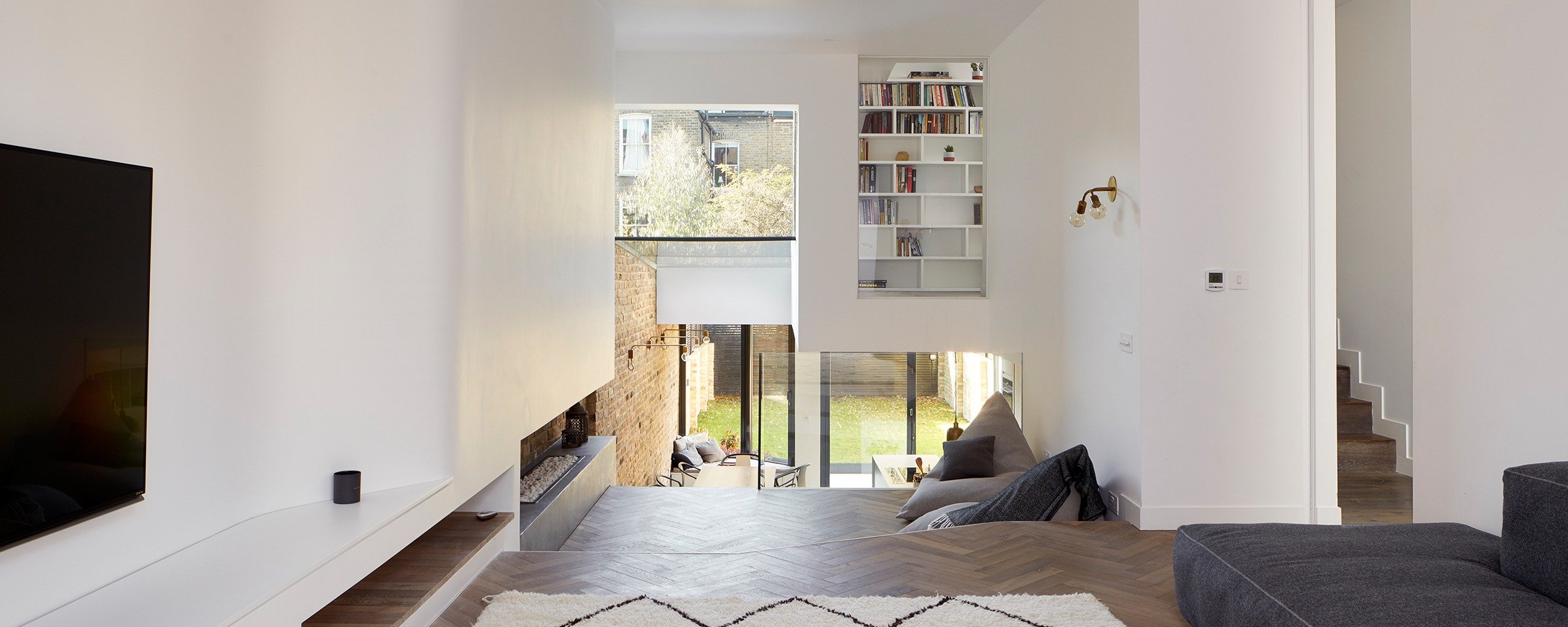
About Scenario Architecture in Ealing
The quiet residential suburbs of West London have become increasingly attractive for families and professionals seeking more space and better connections. Neighbourhoods such as Ealing, Acton and Hanwell offer leafy streets, strong sense of community, multicultural schools and steadily improving amenities, with the new Crossrail line connecting residents to the West End in just over 10 minutes. Ealing, in particular, is rich in heritage housing, from Victorian terraces to mock-Tudor semis, many of which present excellent opportunities for extension and renovation. Properties here are often wider than the London average, giving homeowners greater flexibility to reconfigure layouts, extend or modernise. Building or adapting a home in Ealing requires respect for the area’s architectural heritage. A skilled architect who understands the local vernacular can transform a traditional property or introduce a contemporary structure that enhances its surroundings. Our landmark project, A Step Change, in central Ealing, demonstrates this approach. The family home underwent a complete renovation, redesign and extension, using carefully selected materials that are both traditional, durable and sustainable. The result is a deeply contextual design that celebrates contemporary architecture while honouring the heritage of the existing building.Expert Ealing Architects At Scenario
Our team of Ealing architects provides a complete service for homeowners and property developers across the borough, including Acton, Hanwell, Southall, Northolt and Perivale. We specialise in residential projects such as extensions, refurbishments, conversions and new builds, tailoring each scheme to the unique character that defines Ealing. As a RIBA-chartered practice, we manage every stage of the process, from securing planning permission with Ealing Council and preparing planning applications to overseeing construction. Our goal is to deliver a seamless experience from concept to completion. With expertise in residential architecture, interior design and project management, we combine local knowledge with creative, design-led solutions. Our team works closely with planning consultants, structural engineers and contractors to help clients secure approvals, manage budgets and bring their vision to life. We support both private homeowners and developers in Ealing and across London, delivering bespoke architectural outcomes with care and attention to detail.all_large
Projects
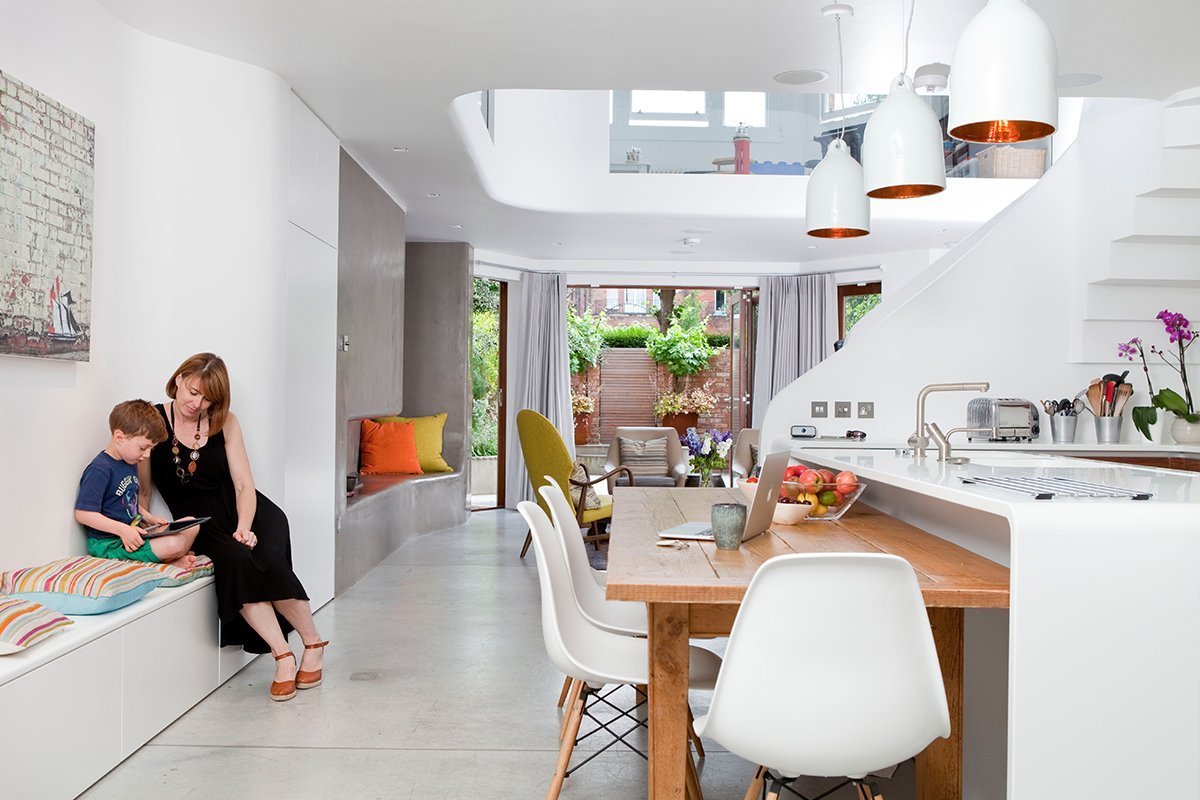
Full renovation of a family home, exploring the connection between living spaces
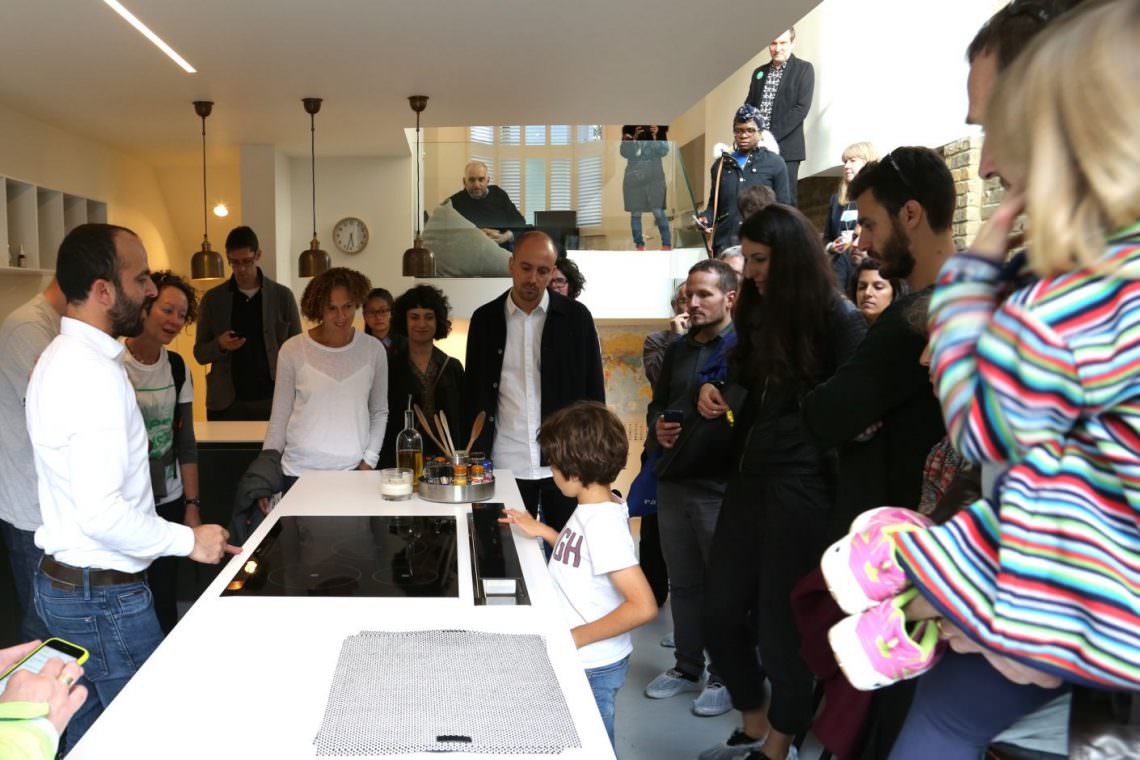
The Scenario House, Stoke Newington during NLA Open house event
Starting your Fulham project
Fulham Architects Your Fulham project
.
Most building projects in Fulham require approval from the local authority. Fulham architects can help you through the process, collaborating with council officials to see through your application. Scenario Architects has successfully steered clients through the permissions stage.
We’ve drawn up an illustrated synopsis to help guide you through the planning process for a Fulham-based renovation, restoration, addition or new-build.
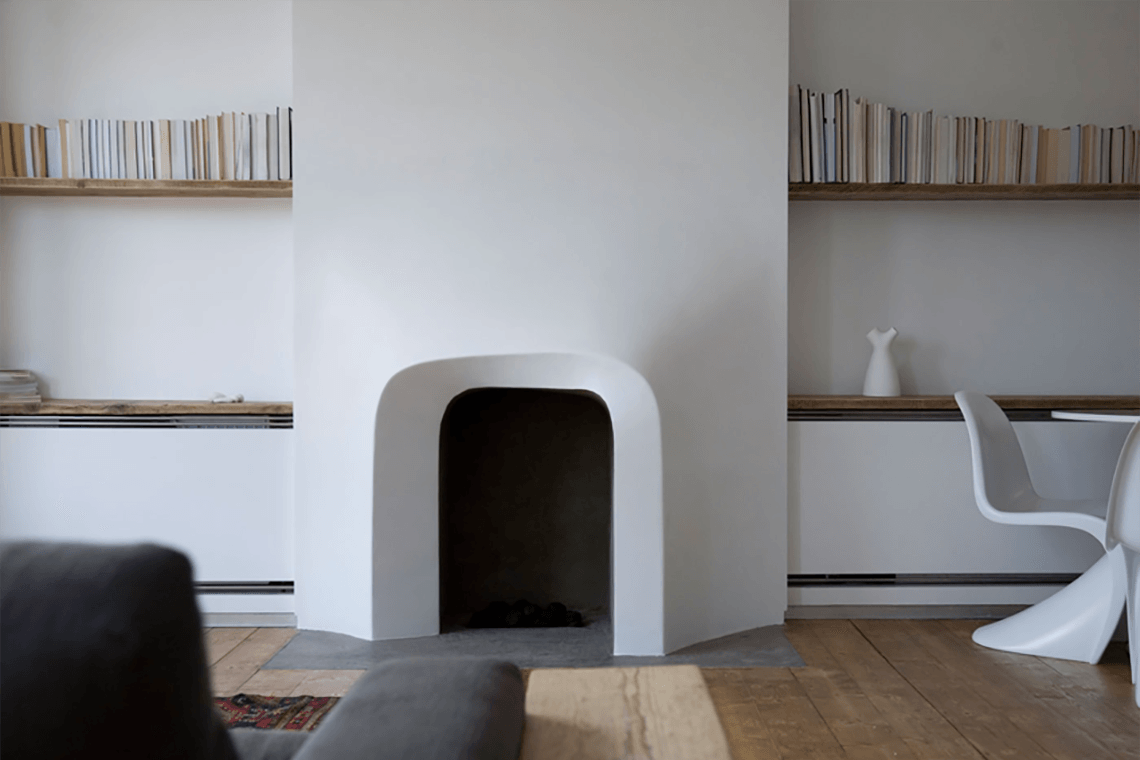
Focal Shift fire place, first project as local architects in Hackney E9
The Scenario house, Hackney during NLA Open house event
2017
Your Ealing project
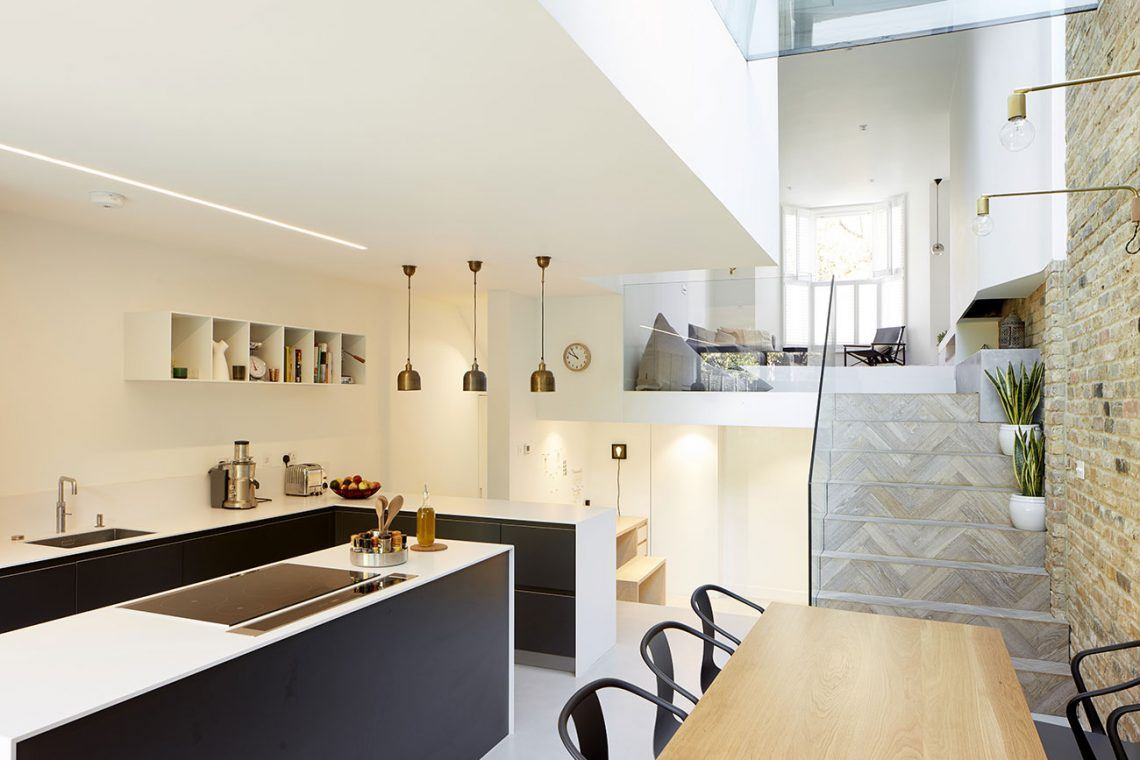
Scenario Architecture is a residential practice dedicated to transforming British homes to suit the way people live today. We create distinctive, contemporary spaces that rethink how a home can look and function. If you’re seeking Ealing architects with a keen understanding of both design and the local area, we’d love to hear about your project. Our landmark project Scenario House demonstrates our commitment to transforming period architecture for today’s lifestyles. An East London Victorian conversion with soaring ceilings and robust, contemporary materials, it was shortlisted for the RIBA London Awards.If you are thinking about starting an architectural project in Hackney, be it a renovation, or an extension to an existing property or even a new build house we are here to help.
We created a created a brief and illustrated overview of the process to help you understand what to expect through the various stages of a residential, extension, renovation or new build project in Hackney, E9.
Most projects would need planning permission, which in Stoke Newington, Clapton, Dalston, Shoreditch and all other Hackney Neighbourhoods will require obtaining planning permission from Hackney Council. Our extensive track record working with Hackney planning department and successfully securing planning permissions for our clients enables us to consider Hackney our home court.
TIP: To find out the actual track record which any architects you may be considering has with your local council, go to the planning application search page on your local council’s website and use the search by agent option.
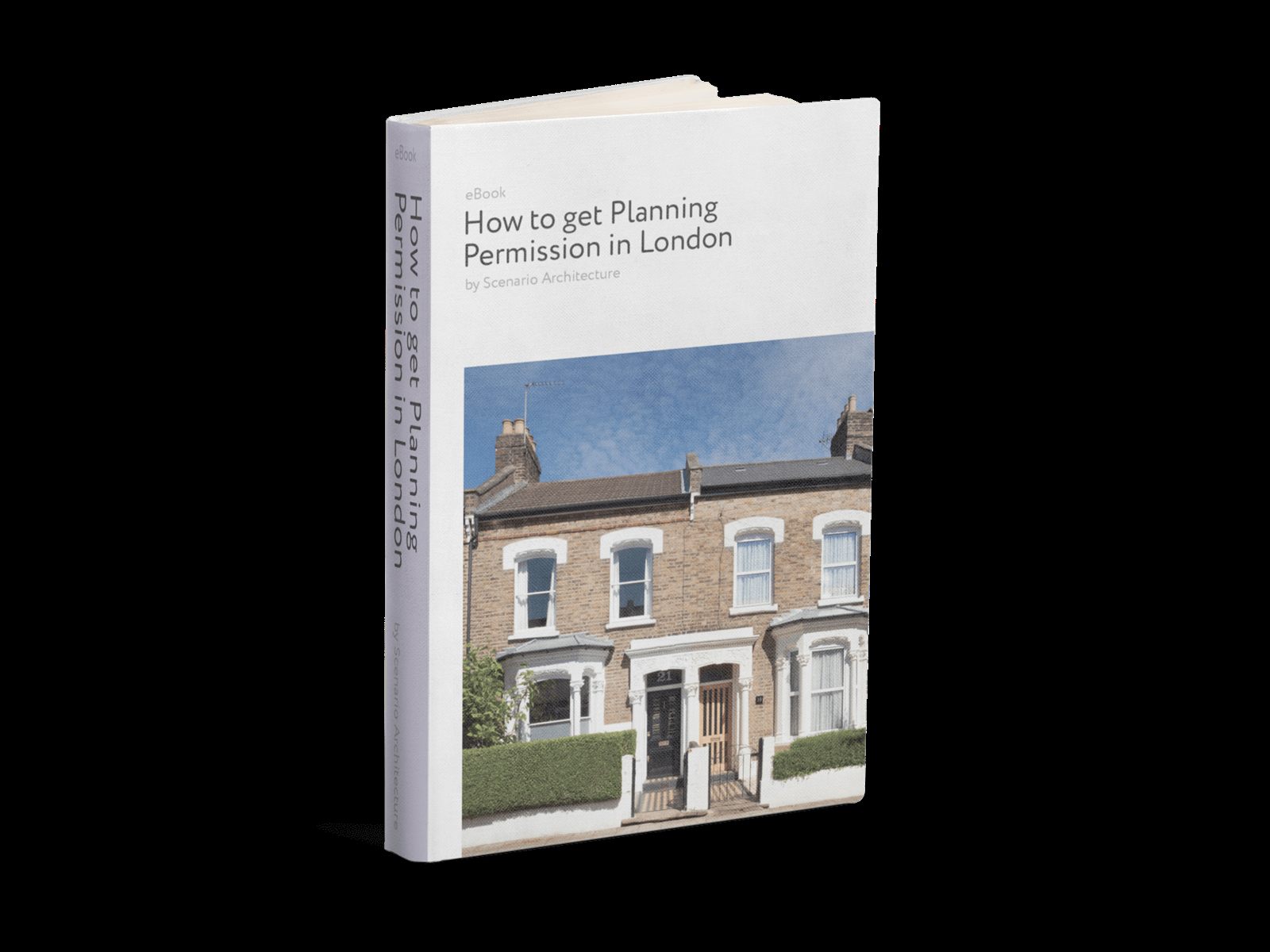
To help you understand in more detail what is required for obtaining planning permission in Hackney E9 we created a helpful and clear guide which you can download below:
Tip
Working with Scenario Architecture on your Fulham project
Fulham Architects Your Fulham project >> Scenario Architecture
This guide is suitable for people who intend to make alterations to their homes that will require the consent of their local council.
It is based on our own extensive experience and explains in simple terms the UK planning process and how to successfully navigate through it.
We have put together this guide to explain, in a simple way, how to put in an application for planning permission in Stoke Newington. It is aimed at people who want to make alterations to their homes that will require the consent of their local council. We have over 10 years experience of doing planning permissions and hope we can share some clarity on the process, and the main points you will need to think about.
Our boutique studio specialises in residential architecture, offering bespoke services for home additions, renovations and new-builds. Based in Hackney, we practice across London and beyond.
A RIBA Chartered Practice, Scenario complies with the UK’s strict health and safety criteria. We collaborate closely with our clients throughout every stage of the process, from the design phase, through planning and construction. We aim to deliver every project on time and on budget.
Our skilled team works with the latest 3D design technology: real-time digital visualisations and virtual reality. We feel they are the most effective and efficient tools for seeing through our work, choosing fittings and simulating natural light.
This Chartered Institute of Building case study features a recent Scenario project, demonstrating the benefits of advanced technologies in designing for the domestic sphere.
Working with Scenario Architecture on your Hackney project
This guide is suitable for people who intend to make alterations to their homes that will require the consent of their local council.
It is based on our own extensive experience and explains in simple terms the UK planning process and how to successfully navigate through it.
We have put together this guide to explain, in a simple way, how to put in an application for planning permission in Stoke Newington. It is aimed at people who want to make alterations to their homes that will require the consent of their local council. We have over 10 years experience of doing planning permissions and hope we can share some clarity on the process, and the main points you will need to think about.
Established in 2007, Scenario Architecture is a boutique architecture studio focused on the high-end residential sector, working extensively throughout and around London. We specialise in every scale and type of domestic project, from interior alterations, through full renovations and refurbishments to new build homes. We offer a full bespoke architecture service tailored to fit your requirements and aspirations.
Our friendly and highly skilled team has the knowledge, experience and expertise necessary to take you step-by-step through the challenging and exciting journey of creating your new home. We will work together with you in close collaboration from initial design, through detail design and planning all the way to tender, construction and successful completion of your project on time and within budget.
Scenario Architecture is an RIBA Chartered Practice, which essentially means that we are compliant with the RIBA (Royal Institute of Chartered Architects) strict criteria, covering insurance, health and safety and quality management systems.
As early adopters of latest technology, we use as a standard for all projects a verity of innovative 3D design and visualisation tools to create and communicate design with our clients. Our experience shows that Real-Time visualisations and Virtual Reality tours are extremely powerful tools to streamline the process of choosing material finishes fixtures and fittings as well as simulating realistic natural light conditions.
When we produce accurate and reliable construction information we use the latest 3D BIM technology, (BIM stands for Building Information Modelling) which means that all project information is derived from a single accurate and coordinated 3D model. Using this cutting-edge technology collaboratively with other consultants as well as contractors has proven to save time and cost for our clients.
A case study featuring one of our projects was published by the Chartered Institute of Building, demonstrating the great benefits of this advanced technology specifically with domestic projects.
Scenario Architecture in London deliver design and architectural expertise for residential projects. We were established in 2007 by Ran Ankory and Maya Carni who both trained with the AA School of Architecture. Scenario have grown to an award-winning team of nine. We have been featured in Dezeen and Elle Decoration UK.
Our highly experienced team of architects Stoke Newington work with clients using innovative 3D and Virtual Reality technology that simulates your new home before the first brick is even laid. This simulation technique allows you to see beautiful scenarios, designed to fit your life. An organic process, it often influences the choice of materials and design methods.
If you are looking for a top architects Stoke Newington, we are based here and can help with your project. We are a RIBA Chartered Practice and we operate across the following areas and postal districts: Camden, Dalston, Hackney, Hampstead, Highgate, Haringey, Islington, East London, Knightsbridge, Kensington and Chelsea, Mayfair, Notting Hill, North London, West London, West Hampstead, Shoreditch, Southwark, Stoke Newington, N1, N6, NW3, N16 and E5.
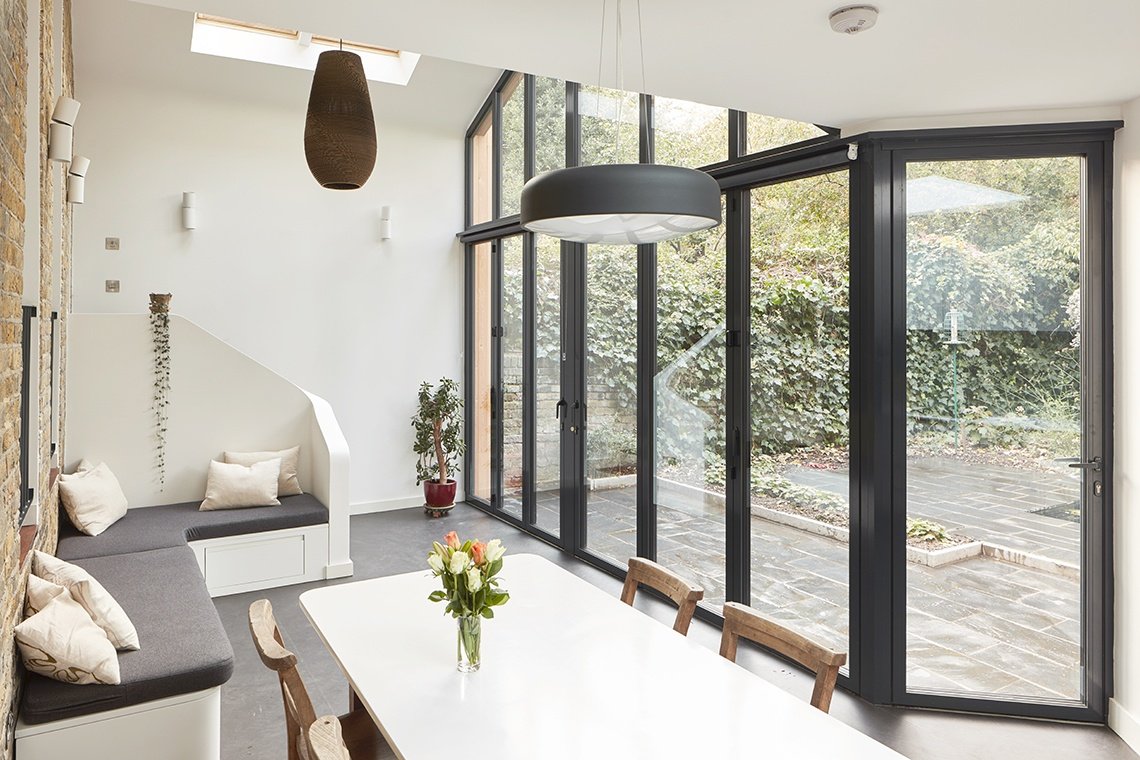
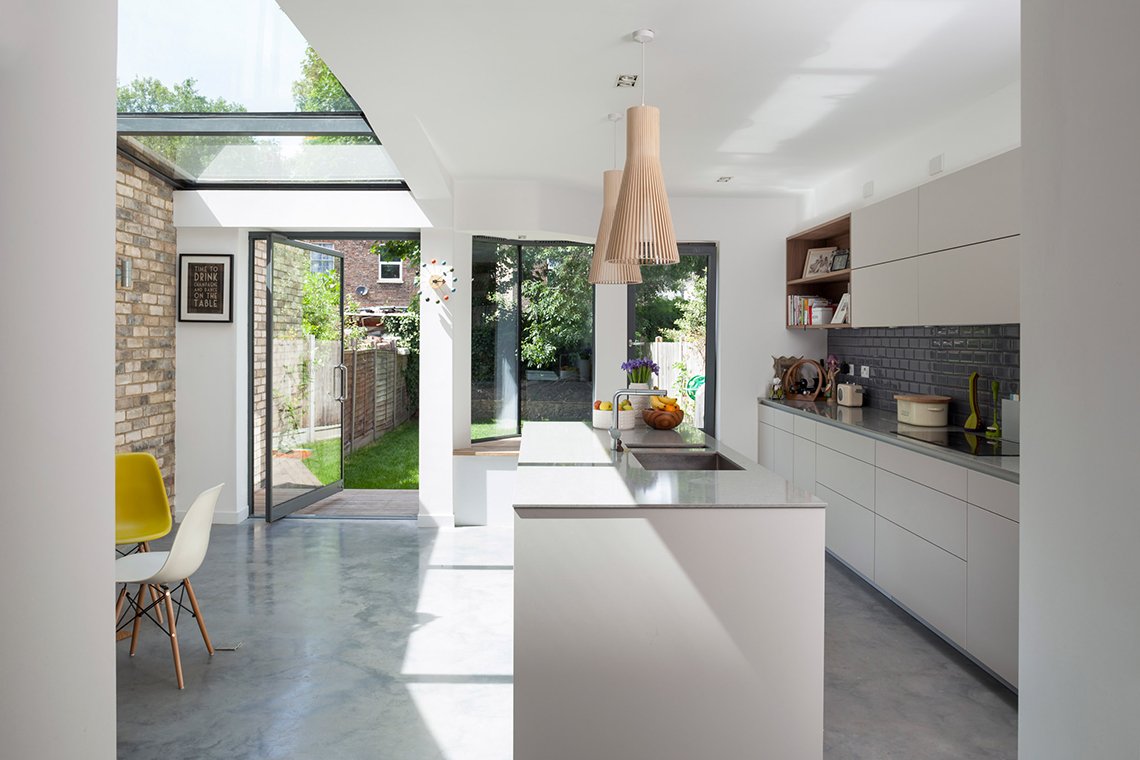
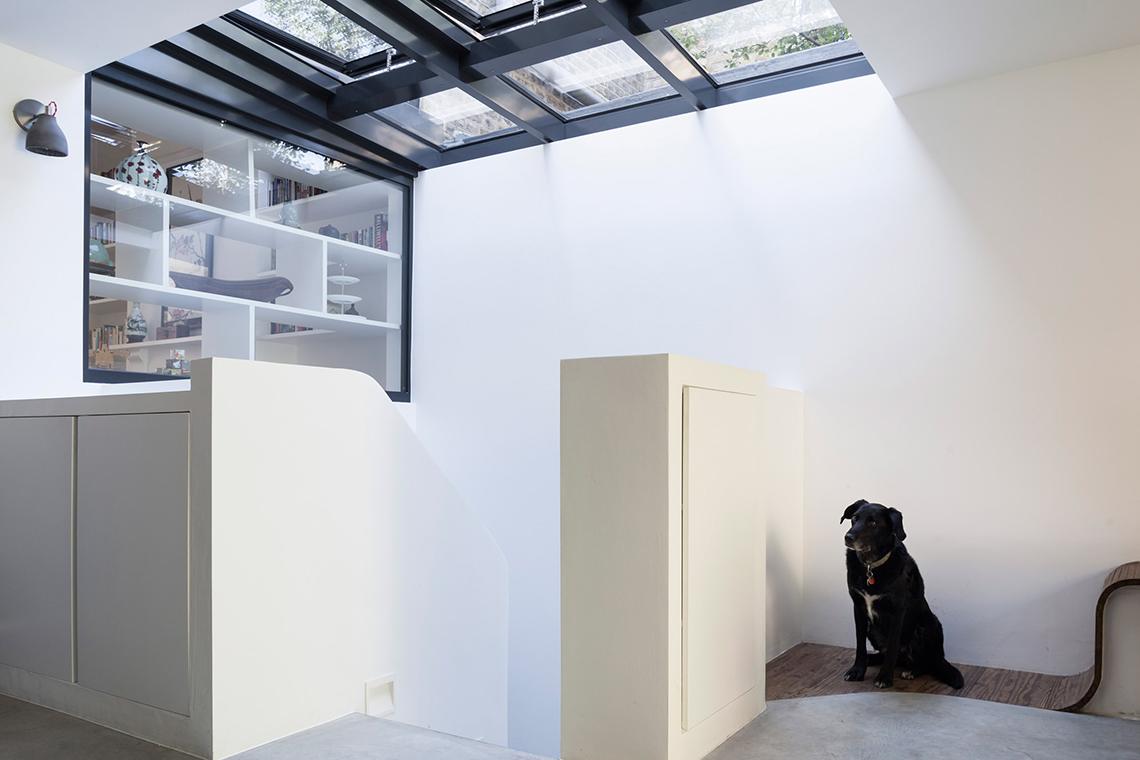
Full-width extension opens to the beautiful garden of this Victorian property
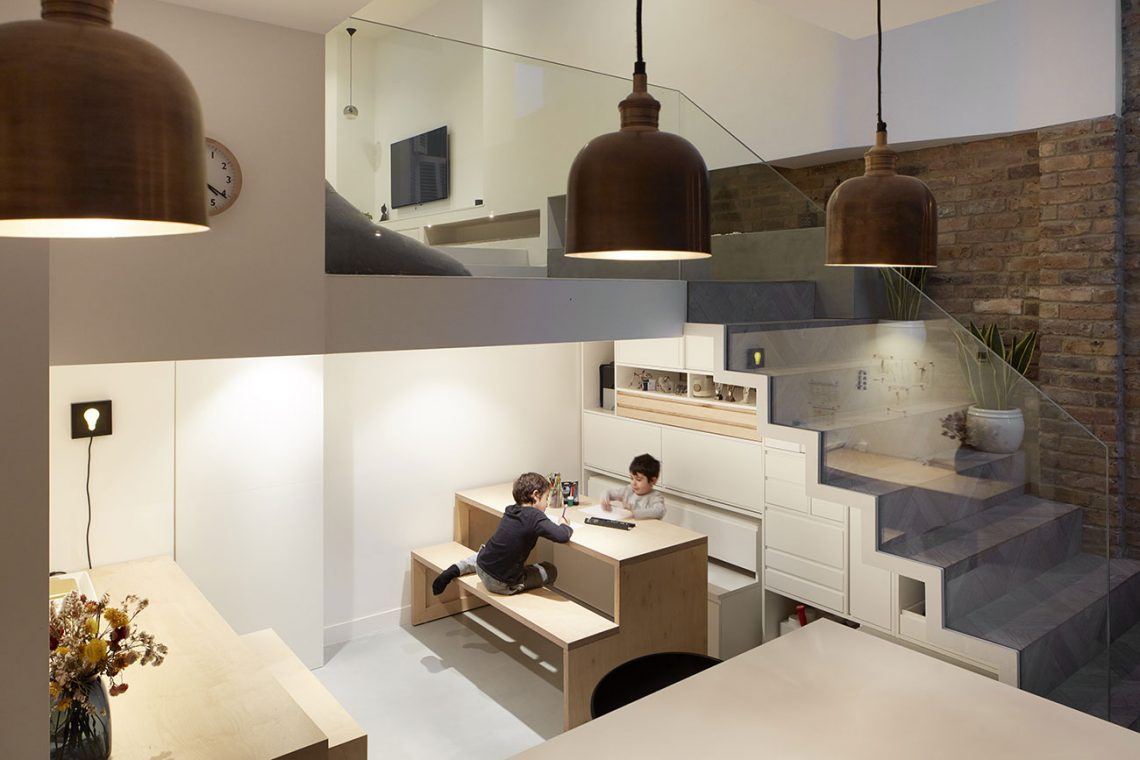
Complete renovation and extension of a family home
Scenario is an established architecture practice focusing on contemporary residential design. We take on projects of every scale and scope, from home refurbishment, renovation and expansions to new-builds.
A genteel pocket of London, built around a dip in the Thames, Fulham is known for its peaceful residential streets and creative lore. Less industrialised than Hammersmith, to one side, and less swish than Chelsea, to the other, it enjoys a cosy neighbourhood feel with pretty workers’ cottages and pockets of green. Intimate streets with roomy Victorian and Edwardian terraces lead out to the river and Fulham Palace, an ancient bishops’ manor. These are the most attractive places to live in the area. The leafy roads leading towards Fulham Road and New King’s Road are the most fashionable. Fulham’s artisanal heritage – started with the weavers and glassworkers of the 17th century – continue today. Artisan studios occupy disused industrial buildings and a historic foundry. Hubs of design shops pop up all over the neighbourhood.
One of the biggest housing booms in Victorian London played out in Fulham. The area’s tall, sturdy, generously proportioned houses make safe and attractive prospects for a family home, with nooks and crannies to exploit and decent-sized gardens in which to extend. Because the layout of the typical Fulham home is part of London’s residential architectural canon, Fulham architects – and of course architects from across the capital – are well versed in their potential.
Victorian renovations are more compassionate today than they’ve ever been, with homeowners striving to preserve architectural elements like decorative cornicing, ceiling roses, skirting boards and dada rails. Sash windows are being replaced by specially made wood reproductions and wood-burning fireplaces recouped after being sealed off for decades. Paint companies like Farrow & Ball have built multinationals out of replicating the de rigueur colours of Victorian times. And new tile ceramicists are bringing back traditional motifs with contemporary silhouettes, for front gardens and foyers. Hardwood floors have made a comeback, with timber salvage and reproduction going strong.
Most renovations focus on transforming the core of the home, and revolutionise the kitchen and bathrooms in the process. To recoup the extra floor area today’s families have become accustomed to, Fulham architects are extending into voids in the lofts and side returns common in Victorians. Small period kitchens can open up into the side return without eradicating period features; in the recovered space, a corner can be reserved for a powder room or utility room. Ditto the loft: pushing up the ceiling and pushing out dormer windows can make new space available for an en suite bathroom.
With extending out into dead space comes the welcoming in of natural light. Upward-facing Velux windows become possible once the upper floor is properly extended and the main floor pushed out beyond the confines of the original footprint. If a second-storey extension is permitted in your plans, an internal void can bring natural light from the top floor downwards, and vice versa.
all_large
1
Full-width extension opens to the beautiful garden of this Victorian property
Complete renovation and extension of a family home
Fulham Architects In our clients words
 We wanted to renovate our house in a conservation area in central London. Given this involved a complete demolition and new build with an extra floor on top, getting planning approval was always going to be tricky. Scenario did an amazing job on the new house 'envelope' and throughout the planning phase. We couldn't have wished for better from them and having succeeded in gaining planning approval owe them a very big 'thank you'.
  Scenario designed a kitchen extension for us, and we are delighted with the results. The process was well organised, planned and delivered, and the whole team were a pleasure to work with. I would highly recommend them for their design, planning and project management skills.
  Worked with these guys on the internal development of our office. From start to finish they were great. They got what we wanted first time and really made working with them very easy. Their aftercare has been great too helping us deal with something that they were not involved with in the first place. Will highly recommend them to anyone. See all Google reviews
Working with Scenario Architecture
Scenario Architecture is a RIBA Chartered Practice, fully compliant with RIBA’s rigorous health and safety standards. We take on residential projects of every scale, from refurbishments and renovations to new builds and extensions. Our architects work closely with clients at every stage, providing a bespoke service from initial drafts through planning, tender, and construction. If you’re looking for Ealing architects, explore our portfolio to find a project that reflects your vision. We use 3D design technology to save time and money for our clients. In this Chartered Institute of Building case study, a Scenario Architecture project illustrates the benefits of this advanced technology in residential architecture and design.In our client's words
Dalston is less a defined London territory than it is a neighbourhood of like-minded people. Roughly defined in the west by the A10, the city’s oldest Roman-dug road, it floats between Clapton, Hoxton and Islington. But more than its geographical location, it expresses itself with its liberal, tolerant, international attitude.
The working-class population that first settled here in the 19th-century, rippling out from the Regents Canal, converted farmland into industrial sites and small Victorian cottages. They were joined by immigrants from multiple countries and religions, together building up a modest community outside the confines of the City of London. After a postwar slump, the neighbourhood came alive toward the end of the last century. Artists began settling here, spilling out from Hoxton and Shoreditch, seeking inexpensive post-industrial workspace, artistic freedom and places to exhibit their art. As per the rules of gentrification, young professionals and families followed. They’ve transformed the old warehouses, factories and stables into appealing and spacious homes. And in the brownfields between them, architects have designed experimental contemporary homes, creating housing where none existed while pushing the boundaries of their craft.
Live-work spaces, purpose-built apartment blocks and modern terrace housing have sprung up among the historic brick and contemporary timber constructions, giving the neighbourhood a dynamic and unpredictable character. People of all cultures and brackets live side-by-side, and businesses are popping up to serve them. They combine to make Dalston an area of great potential, for people who seek a multicultural atmosphere and an unconventional lifestyle.
If you’re a fan of heritage housing, look to the streets radiating east off Stoke Newington High Street and Kingsland Road. Streets like Forest Road and Richmond Road, leading to Gayhurst Community School and London Fields, are chock-a-block with tall, broad Victorian family homes and repurposed factories. With the old brick and ironwork maintained, new residents are slowly fixing them up and maximising their potential. Further north, Shacklewell Lane, Sandringham Road and St Marks Rise are attracting new buyers to the grand tree-lined streets. Homes here rise to four storeys, many of them in need of an upgrade. Buyers seeking a fixer-upper, or a tired family home on which to put a personal stamp, would have lots of opportunity here. At the heart of this enclave sits St Marks Dalston, one of the largest neighbourhood churches in the country – larger in area than Southwark Cathedral. Its Gothic rose window and French-inflected tower, built a century ago, dominate the road.
Loft extensions are more of a rule than an exception in Dalston, as are side-return kitchen extensions. Local architects like Scenario are well versed in the expansion and renovation process here, and manoeuvre their designs successfully through the planning and heritage departments. The results are often stripped-back, light-filled versions of the original Victorian architecture, offering vast entertaining spaces and private nooks for growing families.
Ealing: Where Village Charm Meets Contemporary Living
Hampshire benefits from dramatic geography, unspoilt seaside and an almost inconceivably rich history, which combine to give the county an edge over most others in London’s orbit. Located upwards of 55 miles from central London, it sits within commuting distance of both the capital and the south coast, making it a great place to settle dowm, raise a family and retreat to nature. Residents get the best of both worlds: cosmopolitan living and an active, outdoorsy lifestyle.
Winchester, Hampshire’s county seat and one of its most significant cities, has been inhabited since before the Romans. The city rivalled London as the country’s most populous urban centre until just a few hundred years ago. It has since seen coastal towns like Portsmouth and Southampton pass it in size and scope. Yet all of the above maintain a great number of listed properties well maintained for contemporary living. The average household income throughout Hampshire remains steadily high, and locals are extremely house proud.
Drive around the Hampshire’s finest towns and landmarks, from Lymington to Southampton, Porchester Castle to the South Downs: you’ll find all manner of housing stock, from gingerbread cabins in the woods and clapboard seaside cottages to mock Tudor townhouses and sprawling brick Queen Anne estates surrounded by lawns. It would be difficult to find a similarly high calibre of real estate so close to London with the same natural surrounds and quality of life. Yet regardless of local vernacular and heritage red tape, Hampshire architects can tailor these historic homes to very specific, modern tastes. The great pool of Hampshire architects has kept them up to date, for the most part. The area of Hart, clinging to the River Hart just west of the Surrey border, recently ranked Number One in the annual Halifax quality of life study. The area combines proximity to city life with access to ancient countryside, outstanding schools and an active summer social calendar. The pretty towns of Lymington, Midhurst, Petersfield and Stockbridge regularly rank highly as well, for their lively markets, awe-inspiring architecture and protected wildlife. The reputation for fine building stock increases the demand for homes in and around these choice centres, so expect some competition if you plan to search here. If you persevere, chances are you will land a property with innate beauty and endless potential.
Known as the “Queen of the Suburbs,” Ealing has long combined the charm of village life with easy access to central London. Its tree-lined streets, open playing fields and strong community spirit make it one of West London’s most desirable residential areas. In recent years, large-scale refurbishments of social housing, the revival of local landmarks such as the Art Deco cinema, and the arrival of Crossrail have all contributed to rising property values across Hanwell, Acton and beyond. It is an excellent time for local homeowners to invest in extensions, renovations and new developments. Ealing’s architectural heritage runs deep. The area has been settled since before the Anglo-Saxon period, boasting historic landmarks such as St Mary’s Church and Pitshanger Manor, once owned by the renowned architect Sir John Soane. The arrival of the Great Western Railway in the 1830s spurred rapid growth, leading to a wave of Victorian and Edwardian homes designed for middle-class families seeking a peaceful, countryside feel within easy commuting distance of London. These same homes remain highly sought after today. Extensions and refurbishments have become common practice in Ealing, particularly loft conversions and side-return additions. While Ealing Council enforces clear planning guidelines on height, volume, and heritage preservation, there is ample opportunity for innovative, design-led solutions. At Scenario Architecture, we specialise in working within these frameworks to deliver homes that maximise space, natural light and modern functionality while respecting the area’s historic character. If you’re planning a project in Ealing, reach out to see what can be achieved within current planning regulations. You may be surprised by how much potential we can unlock in your home.