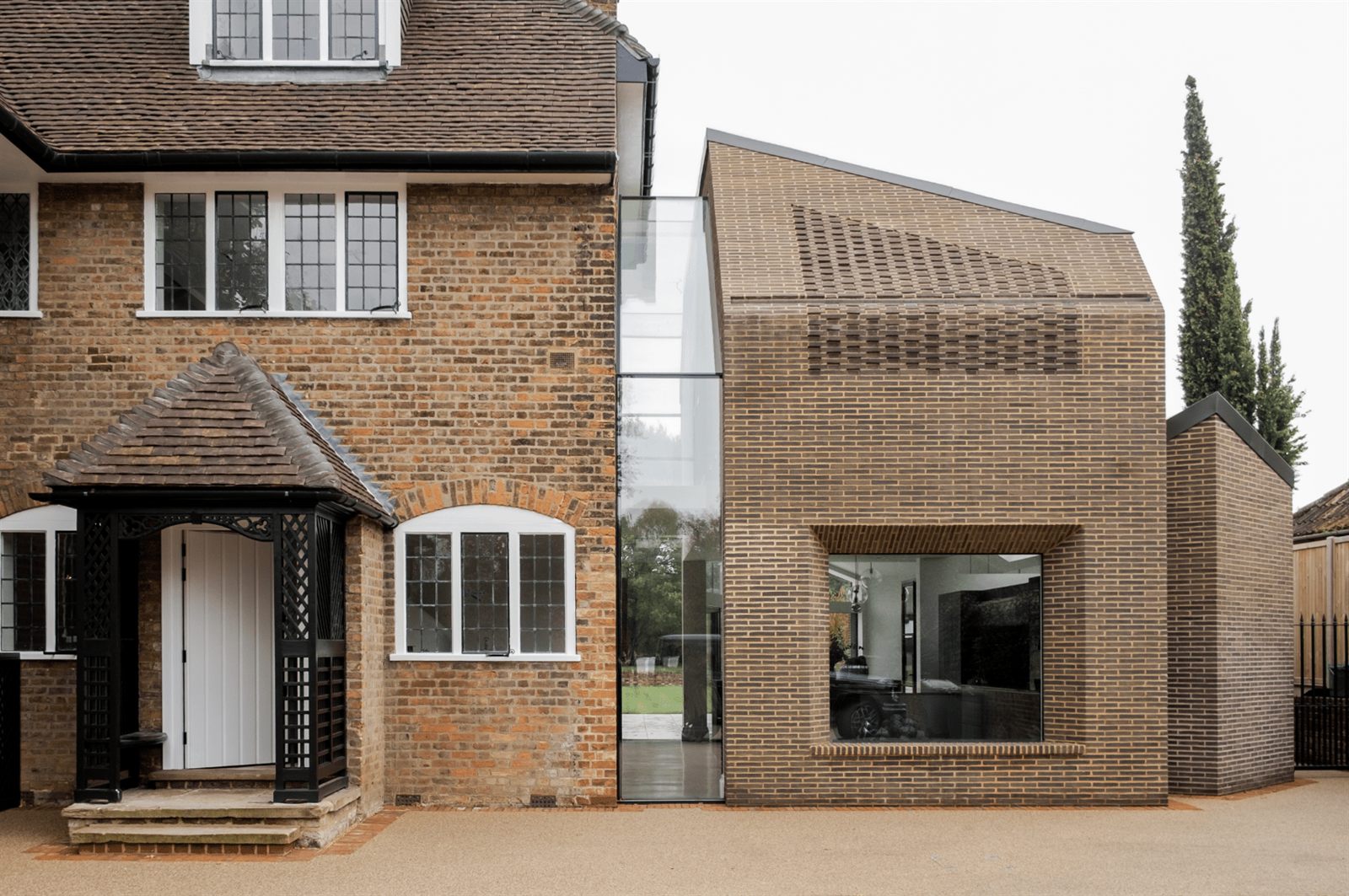
Securing planning permission in London can feel complex, particularly when projects involve sensitive contexts, conservation constraints, or ambitious design ideas. At Scenario Architecture, our experience delivering planning services in London has shown us one thing very clearly: the key to success is to work with, not against, the planning process.
Once you have an architect, we cannot overemphasise the importance of consulting with planners early on in the design process. Planners should be considered an integral part of your project team, rather than an obstacle to be avoided in the hope that they will simply go away. Your approach, and the attitude you and your architect bring to the process, will strongly affect what you get out of it.
Whether you are navigating City of London planning permission or working with borough councils across Greater London, the same principles apply: clarity, collaboration and professionalism.
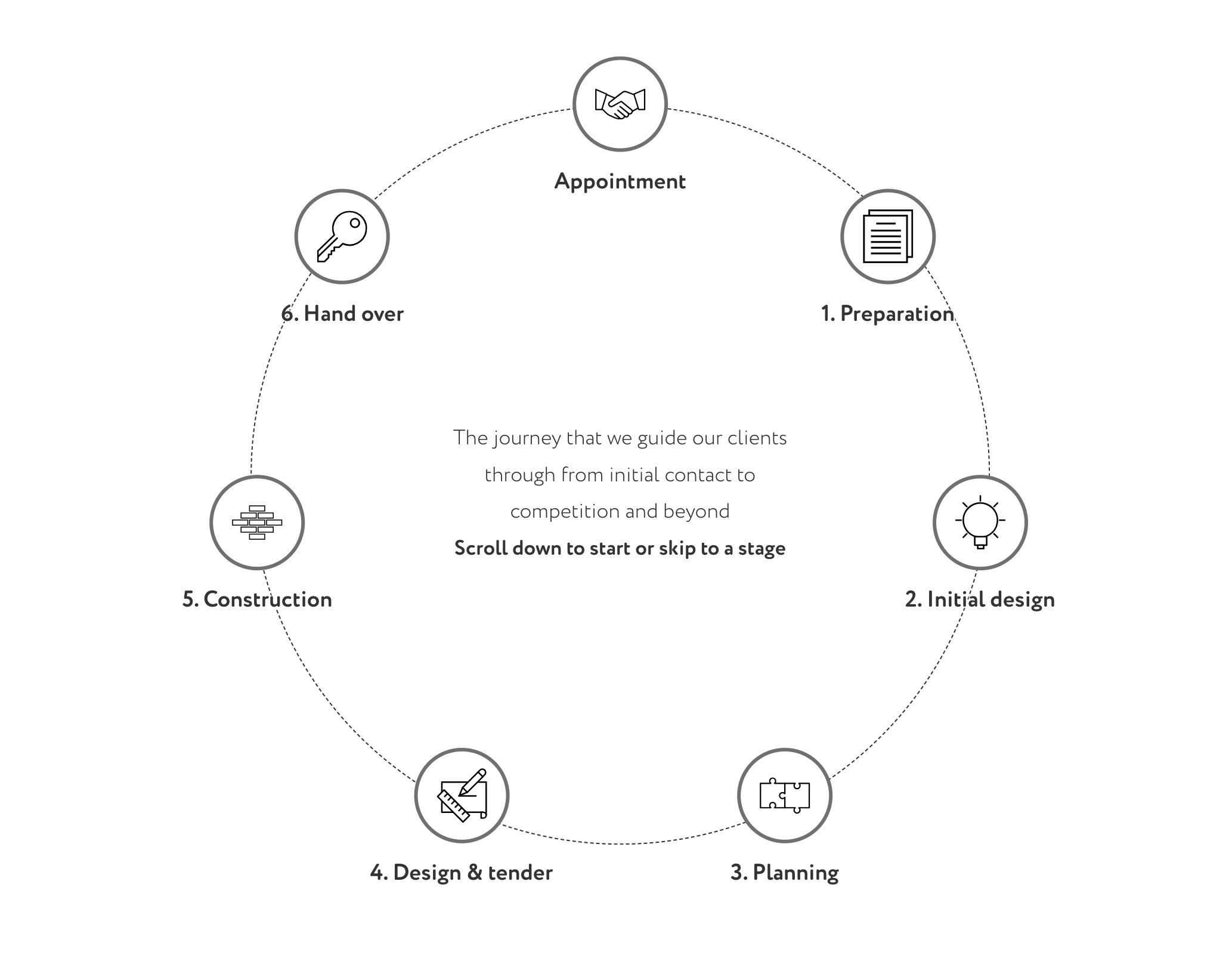
Working with the planning process, not against it
Having a distinctly modern or innovative design is one thing. To pass planning, however, the proposal must fulfil several important aspects, including planning and conservation requirements. Successful integration into the local context must be carefully considered and clearly presented.
Planning officers respond best to clear, concise information that explains not just what you are proposing, but why. Respect for policy, context and process goes a long way.
Our approach to planning permission in London is built on three core qualities:
Collaboration
We aim to start a dialogue with planners at the pre-planning stage, before submitting a full planning application. Our experience shows that when properly consulted, most case officers are open to professional negotiation. This early dialogue significantly increases the likelihood of success.
Strategy
We create a thorough profile of each project, including planning history, local context, relevant precedents and any challenging aspects of the scheme. Where appropriate, we may split applications into sections or introduce minor alterations following discussions with local planning officers. These gestures help prevent a single contentious element from jeopardising approval of the scheme as a whole.
Professionalism
The clarity and overall quality of a planning submission has a tremendous impact on outcomes. Well-structured documentation and clear visual communication can materially improve success rates.
A step-by-step approach to planning permission in London
Step 1: Design with planning in mind
Have your architect design a scheme that is beautiful, considerate yet bold, one that can be backed up with clear logic around design, usability and sustainability. At the same time, the design must adhere carefully to planning and conservation guidelines.
Step 2: Prepare a comprehensive pre-planning document
An effective pre-planning submission should cover far more than just drawings. Together with your architect, pull together a balanced document that discusses the site within its current and historical context, and clearly outlines the implications of the proposed intervention.
Step 3: Respond positively to feedback
Once written advice is received, demonstrate a willingness to take comments on board. Making changes the council would like to see at this stage, while maintaining the integrity of the design, often results in a scheme that will be granted. In our experience, it is best to secure permission that acts as a baseline. Additional changes and variations can follow through later applications.
Step 4: Maintain ongoing dialogue
Rather than submitting a planning application and waiting passively for a decision, ask your architect to continue discussions with council planners. Share aspirations, timeframes and key considerations. Making planners feel part of the team often leads to a more constructive process.
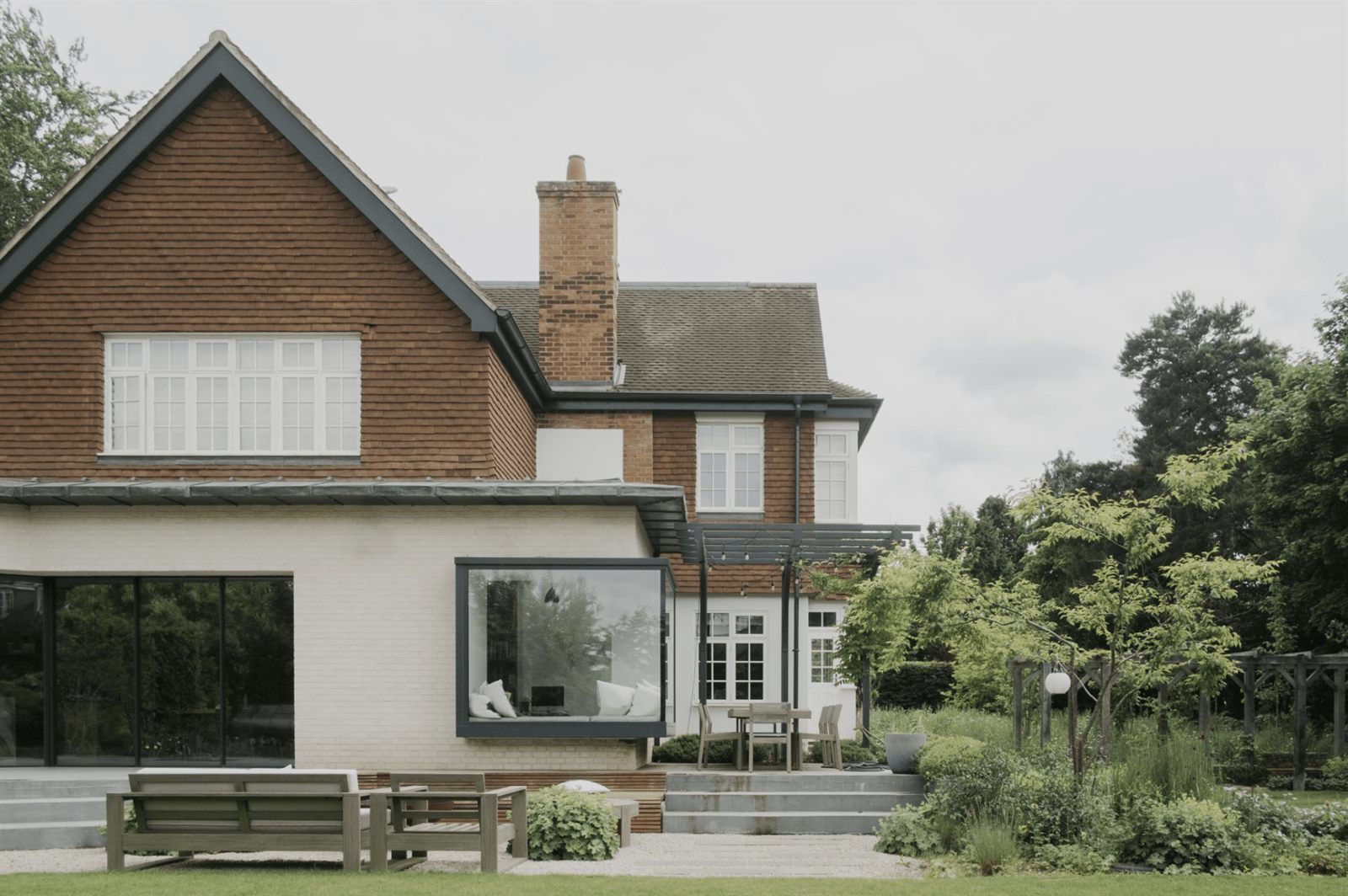
A step-by-step approach to planning permission in London
Step 1: Design with planning in mind
Have your architect design a scheme that is beautiful, considerate yet bold, one that can be backed up with clear logic around design, usability and sustainability. At the same time, the design must adhere carefully to planning and conservation guidelines.
Step 2: Prepare a comprehensive pre-planning document
An effective pre-planning submission should cover far more than just drawings. Together with your architect, pull together a balanced document that discusses the site within its current and historical context, and clearly outlines the implications of the proposed intervention.
Step 3: Respond positively to feedback
Once written advice is received, demonstrate a willingness to take comments on board. Making changes the council would like to see at this stage, while maintaining the integrity of the design, often results in a scheme that will be granted. In our experience, it is best to secure permission that acts as a baseline. Additional changes and variations can follow through later applications.
Step 4: Maintain ongoing dialogue
Rather than submitting a planning application and waiting passively for a decision, ask your architect to continue discussions with council planners. Share aspirations, timeframes and key considerations. Making planners feel part of the team often leads to a more constructive process.
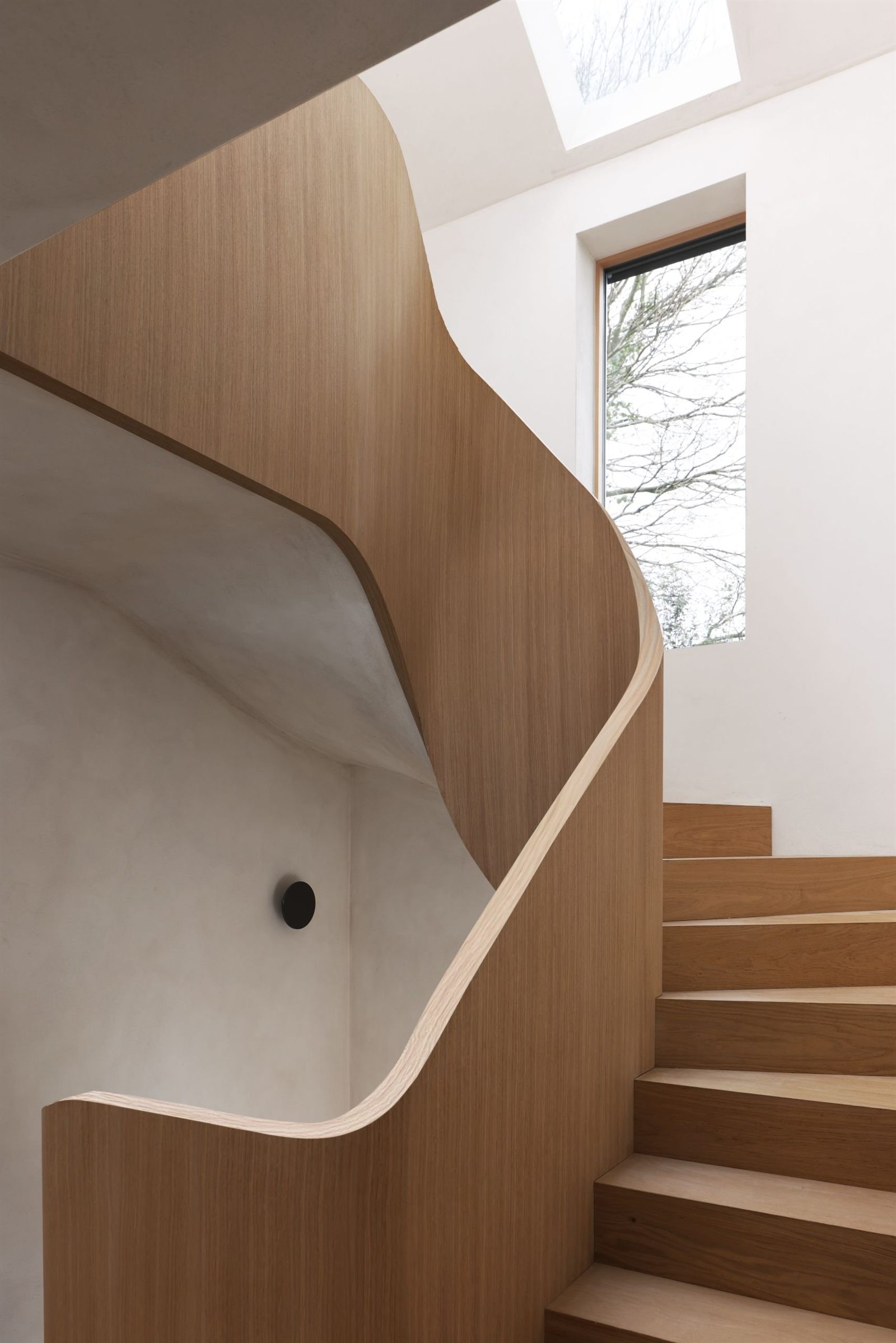
Best practice for planning services in London
1. Use the pre-application service
Pre-application advice is not mandatory and does add time and cost, but it is invaluable for projects involving unusual design, scale or constraints. During pre-application, officers assess your scheme, flag potential issues and identify the reports required for a valid application. This process turns the planning officer into another consultant helping to shape the project — and officers who feel consulted are more inclined to help.
2. Behave collaboratively
Planning officers are often overstretched and understaffed. In theory they have eight weeks to consider an application; in practice, many applications are reviewed close to the decision deadline. If this is the first time officers encounter a complex or unfamiliar scheme, the chance of refusal increases significantly. Early collaboration helps avoid this risk.
Our longstanding experience across Greater London and the Home Counties often allows us to have meaningful discussions during the consideration period and introduce minor tweaks that prevent refusal — particularly when schemes have gone through pre-planning advice.
3. Learn from others’ mistakes
Always research planning history, both for the site itself and the surrounding area. Understand previous refusals, identify site-specific constraints, and study similar nearby schemes. If past applications failed, find out why and clearly demonstrate how your proposal addresses those concerns.
4. If in doubt, go 3D
We design everything in 3D, even small extensions. This allows us to demonstrate impact clearly, including views from neighbouring windows or sunlight studies. For larger applications, walking planning officers through a 3D model helps them visualise proposals far more effectively than 2D drawings alone.
5. Make friends, not enemies
Planning officers are not on the opposite side. An architect should have a strong understanding of Local Development Frameworks and relevant policies, and should echo policy interpretations back to the council. Waiting for officers to provide their own interpretation can sometimes lead to avoidable misunderstandings.
6. Don’t be put off
Negative feedback should not be taken at face value. Officers may dislike aspects of a design, but if a proposal complies with policy, it should still be acceptable. We have often found that careful interpretation of comments, combined with minor design adjustments, leads to successful outcomes with minimal compromise.
7. Keep on it
Around two to four weeks before the decision date, follow up with planning officers. Ask if there are concerns, provide additional visuals if needed, and check for public objections. If objections are valid, address them proactively rather than waiting for a refusal.
Best practice for planning services in London
1. Use the pre-application service
Pre-application advice is not mandatory and does add time and cost, but it is invaluable for projects involving unusual design, scale or constraints. During pre-application, officers assess your scheme, flag potential issues and identify the reports required for a valid application. This process turns the planning officer into another consultant helping to shape the project — and officers who feel consulted are more inclined to help.
2. Behave collaboratively
Planning officers are often overstretched and understaffed. In theory they have eight weeks to consider an application; in practice, many applications are reviewed close to the decision deadline. If this is the first time officers encounter a complex or unfamiliar scheme, the chance of refusal increases significantly. Early collaboration helps avoid this risk.
Our longstanding experience across Greater London and the Home Counties often allows us to have meaningful discussions during the consideration period and introduce minor tweaks that prevent refusal — particularly when schemes have gone through pre-planning advice.
3. Learn from others’ mistakes
Always research planning history, both for the site itself and the surrounding area. Understand previous refusals, identify site-specific constraints, and study similar nearby schemes. If past applications failed, find out why and clearly demonstrate how your proposal addresses those concerns.
4. If in doubt, go 3D
We design everything in 3D, even small extensions. This allows us to demonstrate impact clearly, including views from neighbouring windows or sunlight studies. For larger applications, walking planning officers through a 3D model helps them visualise proposals far more effectively than 2D drawings alone.
5. Make friends, not enemies
Planning officers are not on the opposite side. An architect should have a strong understanding of Local Development Frameworks and relevant policies, and should echo policy interpretations back to the council. Waiting for officers to provide their own interpretation can sometimes lead to avoidable misunderstandings.
6. Don’t be put off
Negative feedback should not be taken at face value. Officers may dislike aspects of a design, but if a proposal complies with policy, it should still be acceptable. We have often found that careful interpretation of comments, combined with minor design adjustments, leads to successful outcomes with minimal compromise.
7. Keep on it
Around two to four weeks before the decision date, follow up with planning officers. Ask if there are concerns, provide additional visuals if needed, and check for public objections. If objections are valid, address them proactively rather than waiting for a refusal.