One of the first questions clients ask when considering a new home, extension, or redevelopment is simple: how long will planning permission take?
In practice, the answer is more nuanced. As our Project Director Katerina often highlights, planning permission in London depends heavily on the type of build, the scope of the project, and the borough you’re building in. While there are statutory timeframes, real-world planning rarely follows a single, predictable timeline.
This article breaks down what typically affects timescales for London planning, what you can realistically expect, and how to reduce delays.
One of the first questions clients ask when considering a new home, extension, or redevelopment is simple: how long will planning permission take?
In practice, the answer is more nuanced. As our Project Director Katerina often highlights, planning permission in London depends heavily on the type of build, the scope of the project, and the borough you’re building in. While there are statutory timeframes, real-world planning rarely follows a single, predictable timeline.
This article breaks down what typically affects timescales for London planning, what you can realistically expect, and how to reduce delays.
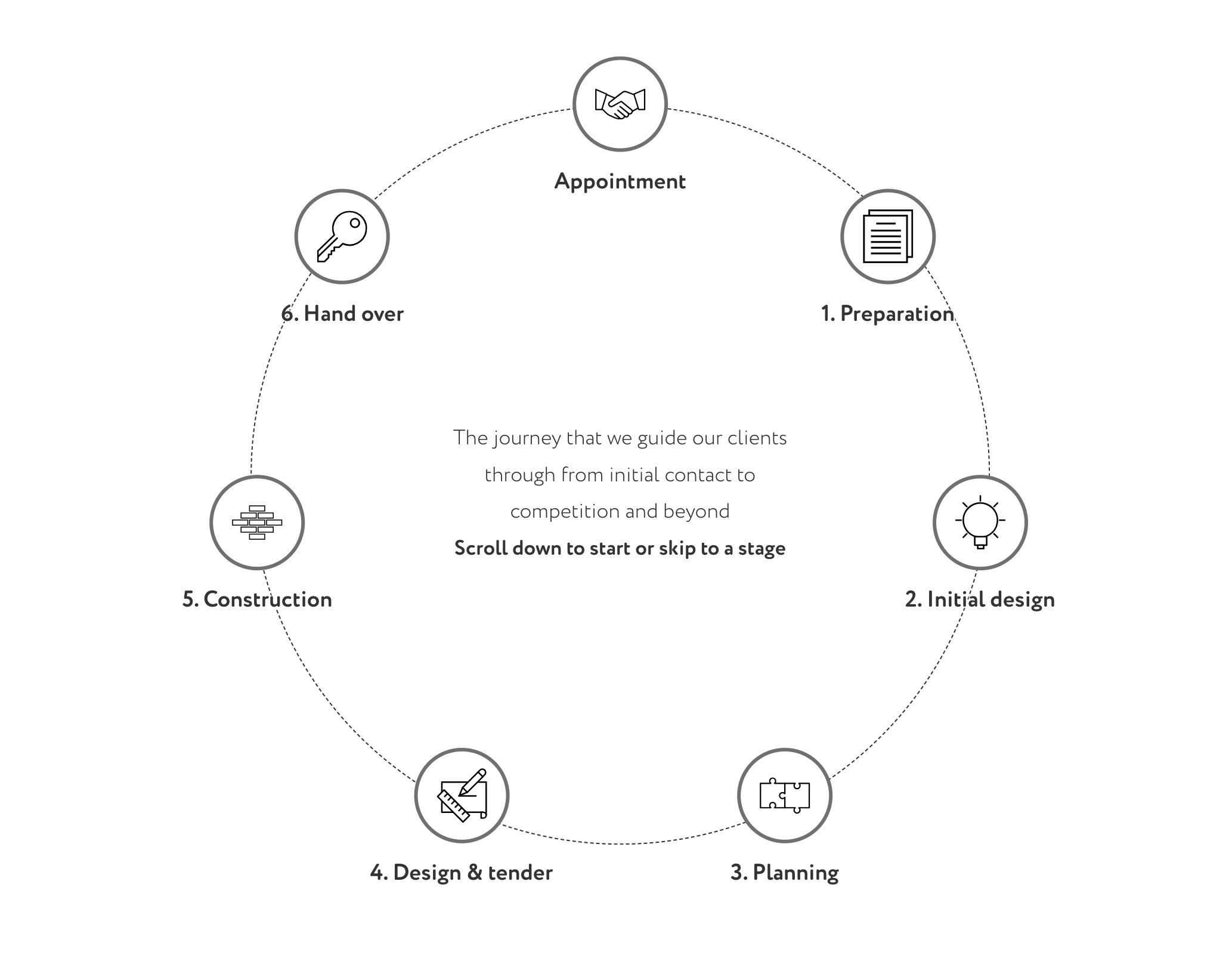
The standard planning timeline and why it’s only a starting point
For most residential projects, local authorities work to statutory decision periods:
- 8 weeks for householder applications and minor developments
- 13 weeks for major or more complex developments
On paper, this seems straightforward. In reality, planning permission in London often takes longer once preparation, consultation, and revisions are factored in.
Why timescales vary so widely in London
1. The type of build
Different projects move through the planning system at very different speeds.
- House extensions and renovations
Often the fastest route, particularly where proposals are modest and policy-compliant. - New build houses
Planning permission for new builds typically requires more scrutiny, especially in established residential streets or constrained plots. - Replacement dwellings or backland development
These sit somewhere in between, with success and speed closely tied to design quality and context.
The more a proposal deviates from what already exists, the more detailed the planning assessment becomes.
2. Project scope and complexity
Katerina frequently stresses that scope matters as much as scale. A smaller project can still take time if it involves:
- Conservation areas
- Listed buildings
- Basement construction
- Tree constraints or flood risk
Larger projects with a clear planning strategy can sometimes move more efficiently than smaller schemes that haven’t addressed these issues early on.
3. The borough you reside in
Each London borough operates differently. While all follow national and London-wide policy, interpretation, resourcing, and internal processes vary.
Some boroughs:
- Encourage proactive pre-application engagement
- Are quicker to respond but request more detail upfront
Others:
- Have longer validation periods
- Experience higher volumes of applications, leading to slower decisions
What typically causes delays?
Common reasons planning applications overrun include:
- Requests for design amendments
- Late consultee responses
- Neighbour objections requiring further assessment
- Incomplete or unclear submissions
A well-prepared application, supported by a clear planning statement and coherent design rationale, tends to move more smoothly through the system.
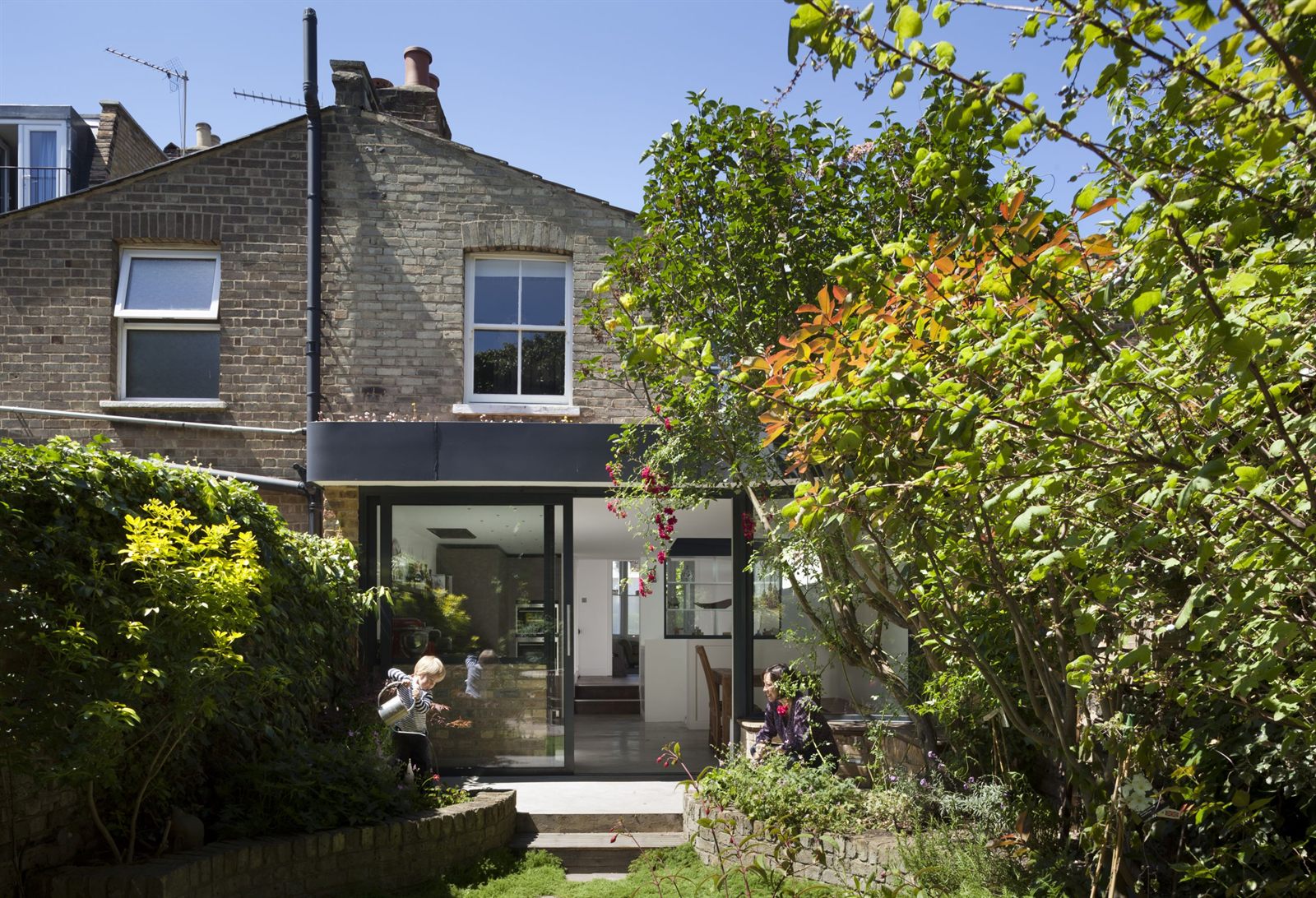
The importance of pre-application advice
Pre-application discussions are not mandatory, but they can significantly influence how long home planning permission in London takes.
Pre-apps can:
- Identify concerns early
- Reduce the likelihood of refusal
- Minimise post-submission delays
- Lead to fewer design revisions during the application stage
While they add time at the outset, they often shorten the overall planning journey.
What typically causes delays?
Common reasons planning applications overrun include:
- Requests for design amendments
- Late consultee responses
- Neighbour objections requiring further assessment
- Incomplete or unclear submissions
A well-prepared application, supported by a clear planning statement and coherent design rationale, tends to move more smoothly through the system.
A realistic timeframe to plan around
Taking everything into account, many residential projects in London follow this broader timeline:
- 1–3 months: feasibility, design development, and pre-application (if required)
- 2–4 months: planning determination
- Additional time if revisions or committee decisions are needed
This means that from early design to decision, planning permission in London often takes between 3 and 6 months, sometimes longer for complex sites.
Planning-led design makes a difference
At Scenario Architecture, planning strategy is integrated from the outset. By considering borough policy, site constraints, and project scope early, timelines become more predictable and risk is reduced.
As Katerina often notes, planning is rarely about speed alone, it’s about aligning design ambition with policy and context so applications can progress with confidence.