As a result of the COVID-19 pandemic, many companies have had to switch to remote working, in order to keep employees safe. Many businesses have had to adapt to a home-working model rapidly, but will remote working become part of the new normal?
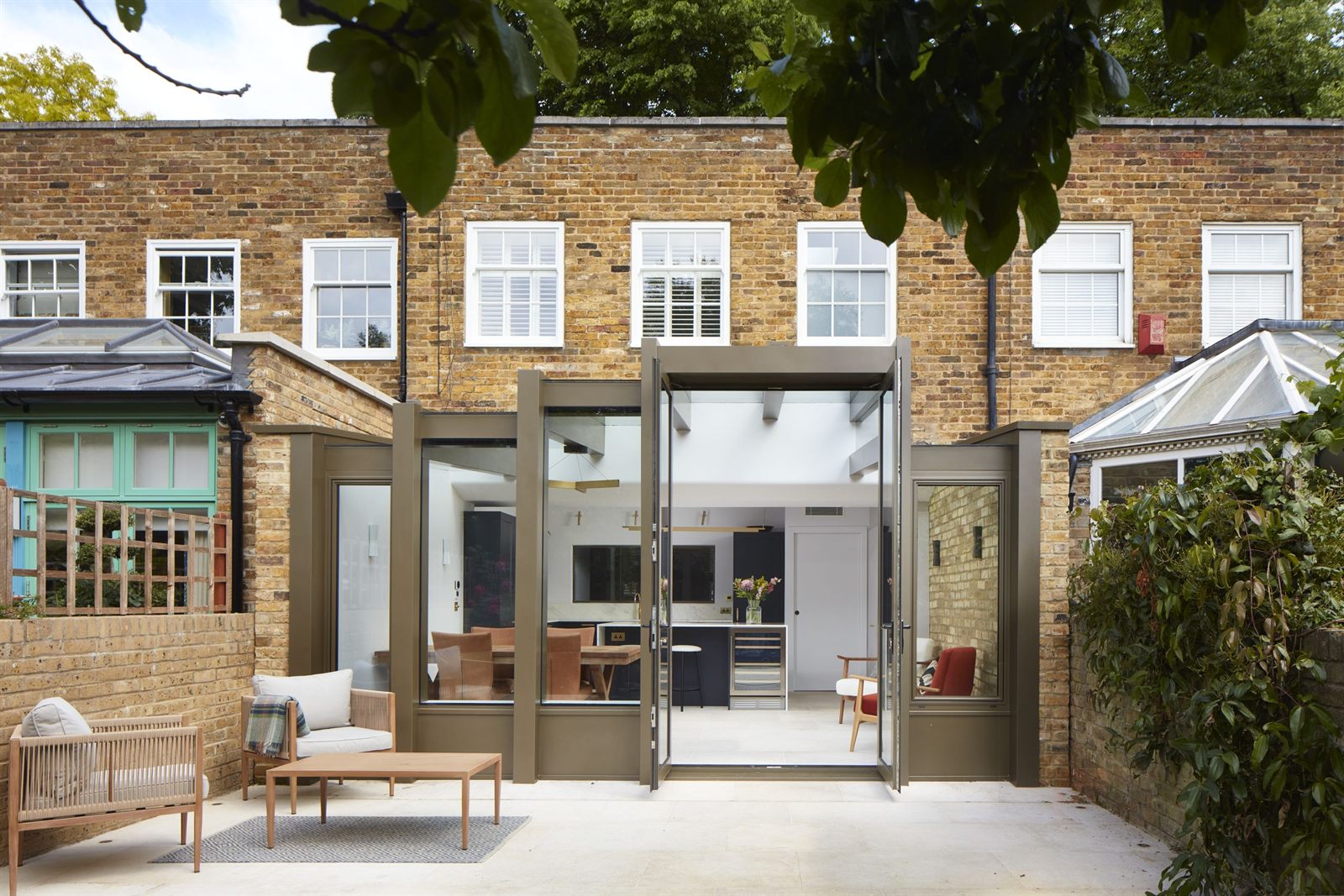
Renovating a house in Islington can be an exciting but challenging endeavour. The borough is renowned for its period properties, narrow streets, and specific planning regulations, making it a unique area for home improvements.
Whether you're looking to modernise a Georgian terrace or restore a Victorian townhouse, the process requires thorough planning and careful consideration. Proper preparation is the foundation of a successful renovation project, especially in a location like Islington, where local regulations and property characteristics can impact both your timeline and budget.
In this guide to house renovation in Islington, we’ll walk you through the essential first steps to take when starting a house renovation in this area, from assessing your property’s condition to building the right renovation team.
large_first
Assessment and Goal-Setting
- Evaluating Your Property’s Current Condition
Before diving into any renovation project, it's critical to evaluate the current state of your home. Islington properties, particularly older ones, often come with hidden issues such as damp, outdated wiring, or structural weaknesses. Conducting a thorough inspection of your property allows you to identify areas that need urgent attention and those that can wait. Consider hiring a surveyor to provide a detailed report on your home's structural integrity, which will inform your renovation plan. An accurate assessment will help you avoid surprises down the line, as well as assist in setting realistic goals for your renovation. Keep in mind that many homes in Islington are in conservation areas, meaning certain architectural features must be preserved.
- Defining Renovation Objectives Specific to Islington Homes
Once you've assessed your property, the next step is to outline clear renovation objectives. Are you looking to increase living space, improve energy efficiency, or modernize the interior? Understanding your priorities will shape the scope of your renovation. In Islington, it’s also essential to consider how these goals align with the local architectural style and regulations. For example, while you may wish to create an open-plan layout, some period properties are structurally unsuited to major internal alterations without specialist intervention. By setting objectives that consider both your needs and the characteristics of the local housing stock, you can create a renovation plan that enhances your home while respecting its heritage.
- Setting a Realistic Budget Considering Local Market Rates
Renovating in North London, particularly in a sought-after area like Islington, can be expensive. Setting a realistic budget is crucial to avoid project delays or compromises on quality. The cost of materials, labour, and unforeseen structural repairs can quickly add up, so it’s important to allocate funds carefully. Get an understanding of local market rates by speaking to professionals and other homeowners who have recently completed similar projects in the area. Be sure to include a contingency fund of at least 10-15% of your budget to cover unexpected costs, which are common when working with older properties.
Legal and Regulatory Considerations
- Understanding Islington’s Planning Permissions and Building Regulations
One of the most significant hurdles when renovating in Islington is navigating the local planning permissions and building regulations. Any external changes, extensions, or significant internal alterations may require approval from the local council. This is especially true if your property is located in one of Islington’s many conservation areas. An architect with experience in obtaining successful planning applications in Islington can guide you through this process. They’ll ensure that your renovation complies with local requirements, minimising the risk of delays or fines. For projects that don’t require planning permission, you’ll still need to adhere to building regulations that ensure your renovation is structurally sound and safe.
- Heritage Considerations for Period Properties
Many homes in Islington are period properties with listed status, meaning they’re protected by heritage laws. If your home falls into this category, special care must be taken during the renovation to preserve its historical features. This could limit the types of materials you can use, or restrict the extent of changes you can make, particularly to the exterior. Working with an architect who understands the intricacies of heritage renovations is essential. They’ll be able to propose solutions that balance modern needs with the preservation of historical details, ensuring your renovation respects the original character of the property.
- Party Wall Agreements and Neighbour Consultations
If your renovation involves structural changes that affect shared walls or boundaries, you’ll need to consider party wall agreements. This is particularly relevant in Islington, where terraced and semi-detached houses are common. A party wall agreement is a legal document that outlines the work being carried out and protects both you and your neighbours in the event of disputes. Additionally, it’s good practice to consult your neighbours before beginning major works, especially in Islington’s densely populated areas. Keeping open communication helps maintain good relationships and reduces the likelihood of disputes during construction.
Building Your Renovation Team
- Finding Reputable Local Architects and Contractors
Building the right team is one of the most important steps in ensuring the success of your renovation. Start by seeking out local architects and contractors with experience in Islington renovations. An architect will help you design a renovation plan that aligns with your goals and complies with local regulations, while contractors will bring the vision to life. Look for professionals who have a portfolio of work in the area, as they’ll have an understanding of Islington’s unique challenges, such as working with period properties or navigating local planning processes. Be sure to check references and reviews, and ideally visit some of their completed projects to assess the quality of their work.
- Importance of Islington-Specific Expertise in Renovations
Hiring professionals with specific experience in North London renovations is essential. Not only do they understand the local architectural styles and regulations, but they’re also familiar with common issues such as restricted access in narrow streets, period property quirks, and local material preferences. A contractor or architect who knows the area will be better equipped to foresee challenges and offer solutions tailored to Islington homes, whether it’s designing a kitchen extension that complies with conservation area rules or solving damp issues in a Victorian terrace.
- Obtaining and Comparing Quotes
Once you’ve shortlisted a few architects and contractors, obtain detailed quotes from each. Make sure these include all aspects of the work, from materials to labour, and ask for a breakdown of costs. Comparing quotes helps you understand the scope of work being offered and ensures you’re getting a fair price for the services provided. However, remember that the cheapest quote isn’t always the best. Consider the quality of previous work, expertise, and the professionalism of each team. Renovating a home in Islington is a rewarding but complex process that requires thorough preparation. By assessing your property’s condition, setting clear goals, and understanding the local regulatory landscape, you’ll be well-prepared to embark on your renovation journey. Building a team of experienced local professionals, from architects to contractors, will ensure that your renovation stays on track and meets Islington’s unique requirements. With careful planning and advice from this
home renovation guide for North London and with the right expertise, you’ll be on your way to transforming your Islington home into a space that reflects both modern living and the borough’s rich architectural heritage.