Starting a new build project is exciting. It is a chance to create a home shaped around how you live, with the freedom to design everything from the layout to the heating system. But before drawings begin or materials are chosen, asking the right questions early on can save time, cost, and uncertainty later.
These are the questions every homeowner should consider before starting a new build, along with real insight from our Project Director, Katerina, and recent project experience.
1. What is the realistic potential of my plot?
Empty plots are increasingly rare. In many cases, new builds begin by purchasing an existing property and replacing it entirely. Before committing, ask:
- What constraints come with the site?
- Are there trees, neighbouring properties, or topographical issues?
- Is the existing foundation usable or will it require removal?
- How does the site orientation affect light and privacy?
As Katerina noted in our internal discussions, new builds offer greater freedom because you are not limited by an older structure. But every plot comes with parameters and understanding them early shapes what is possible.
1. What is the realistic potential of my plot?
Empty plots are increasingly rare. In many cases, new builds begin by purchasing an existing property and replacing it entirely. Before committing, ask:
- What constraints come with the site?
- Are there trees, neighbouring properties, or topographical issues?
- Is the existing foundation usable or will it require removal?
- How does the site orientation affect light and privacy?
As Katerina noted in our internal discussions, new builds offer greater freedom because you are not limited by an older structure. But every plot comes with parameters and understanding them early shapes what is possible.
2. How will the planning authority view this proposal?
Planning varies significantly between boroughs and districts. National policy is consistent but local policy differs widely.
Before starting, ask:
- How strict is the local authority?
- Are you building in or near a conservation area?
- Will the neighbours be likely to object?
- Is the street culturally or historically sensitive?
Katerina highlighted that councils with strong heritage often apply more pressure on scale, appearance, and materiality. Affluent neighbourhoods also tend to have more organised objections, which can push applications into political territory.
Understanding this landscape early helps manage expectations.
4. What materials and construction methods will last?
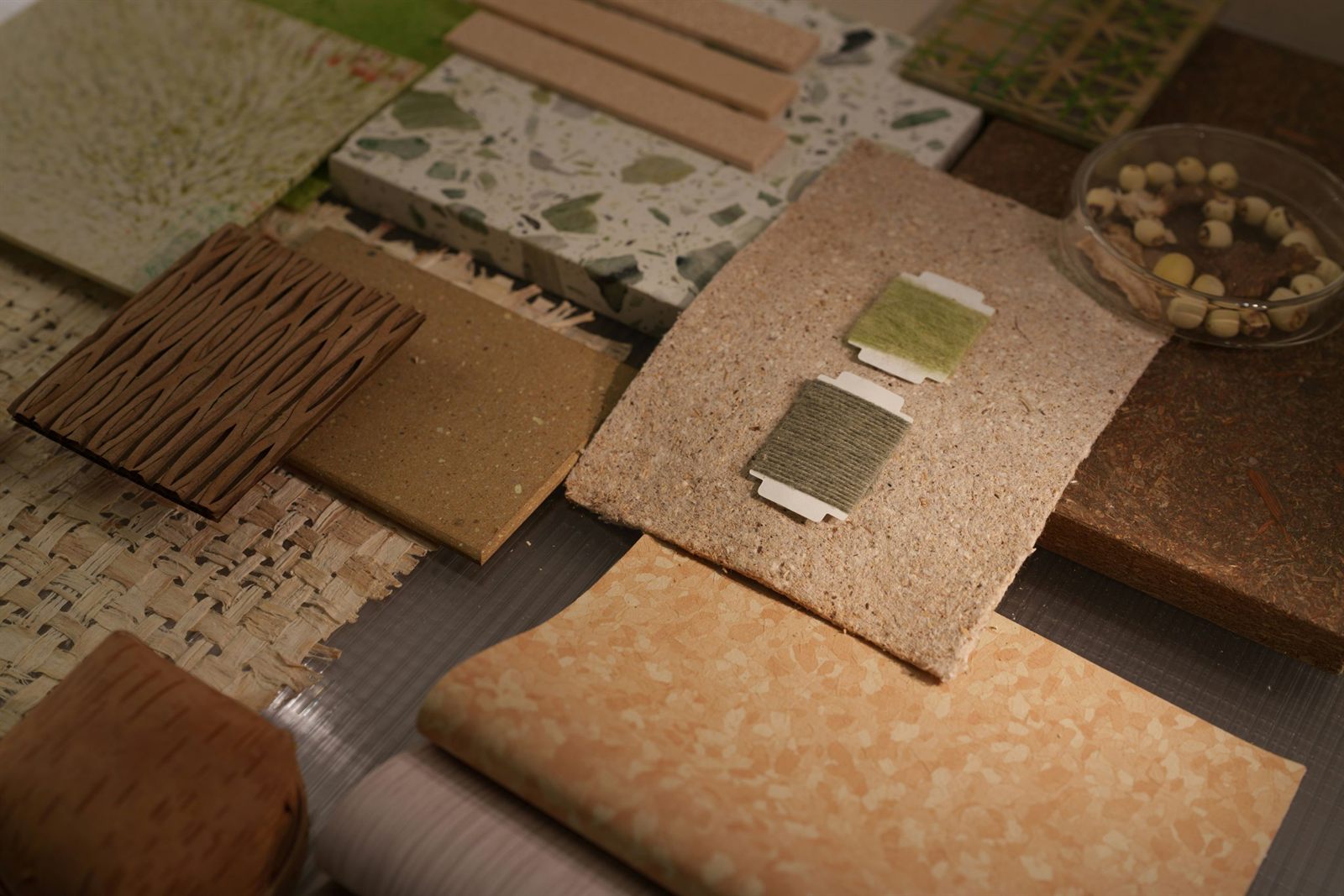
A new build is a long-term investment. Materials should be chosen not just for appearance but for durability, environmental impact and maintenance.
Helpful questions include:
- Which materials have low embodied carbon?
- Which can be reused or recycled in the future?
- Where can I avoid concrete or replace it with lower-impact options?
- What insulation strategy gives the best long-term performance?
1. material selection 2. passive measures 3. active measures
Understanding all three helps shape a robust and futureproof home.
3. What level of sustainability do I want to build to?
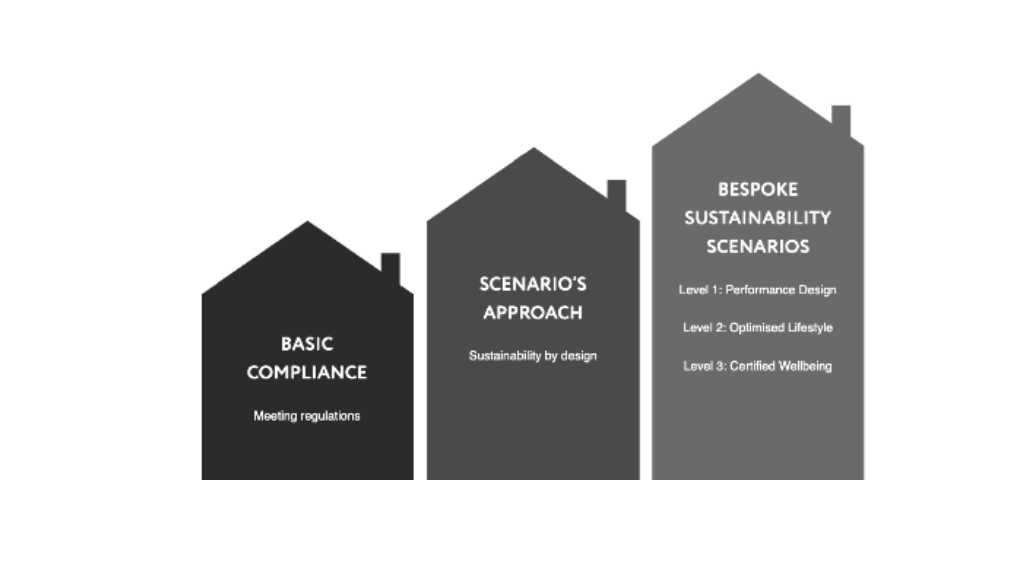
This is one of the most important questions for any new build today. New homes offer far more freedom to incorporate sustainability than retrofitting it and clients are increasingly choosing:
- All electric homes
- Heat pumps
- PV panels
- MVHR systems
- High insulation and airtightness
- Materials with long-lasting performance
Katerina noted the recent surge in demand for heat pumps, PV and MVHR, first because of rising energy costs and now because people genuinely want better-performing homes. New builds also allow the possibility of nearing Net Zero, something far harder to achieve in existing structures.
6. What level of technology do I actually want?
There is a common assumption that new builds must be fully automated but recent trends show the opposite. Homeowners are starting to move away from all-inclusive smart systems because technology dates quickly and requires expensive upgrades.
More people now prefer:
- hybrid systems
- carefully placed speakers and AV solutions
- lighting and heating automation only
- fewer visible screens and wall controls
This aligns with a broader movement towards calmer, more beautiful spaces that are not dominated by technology.
4. What materials and construction methods will last?
A new build is a long-term investment. Materials should be chosen not just for appearance but for durability, environmental impact and maintenance.
Helpful questions include:
- Which materials have low embodied carbon?
- Which can be reused or recycled in the future?
- Where can I avoid concrete or replace it with lower-impact options?
- What insulation strategy gives the best long-term performance?
1. material selection 2. passive measures 3. active measures
Understanding all three helps shape a robust and futureproof home.
5. How will the home function day to day?
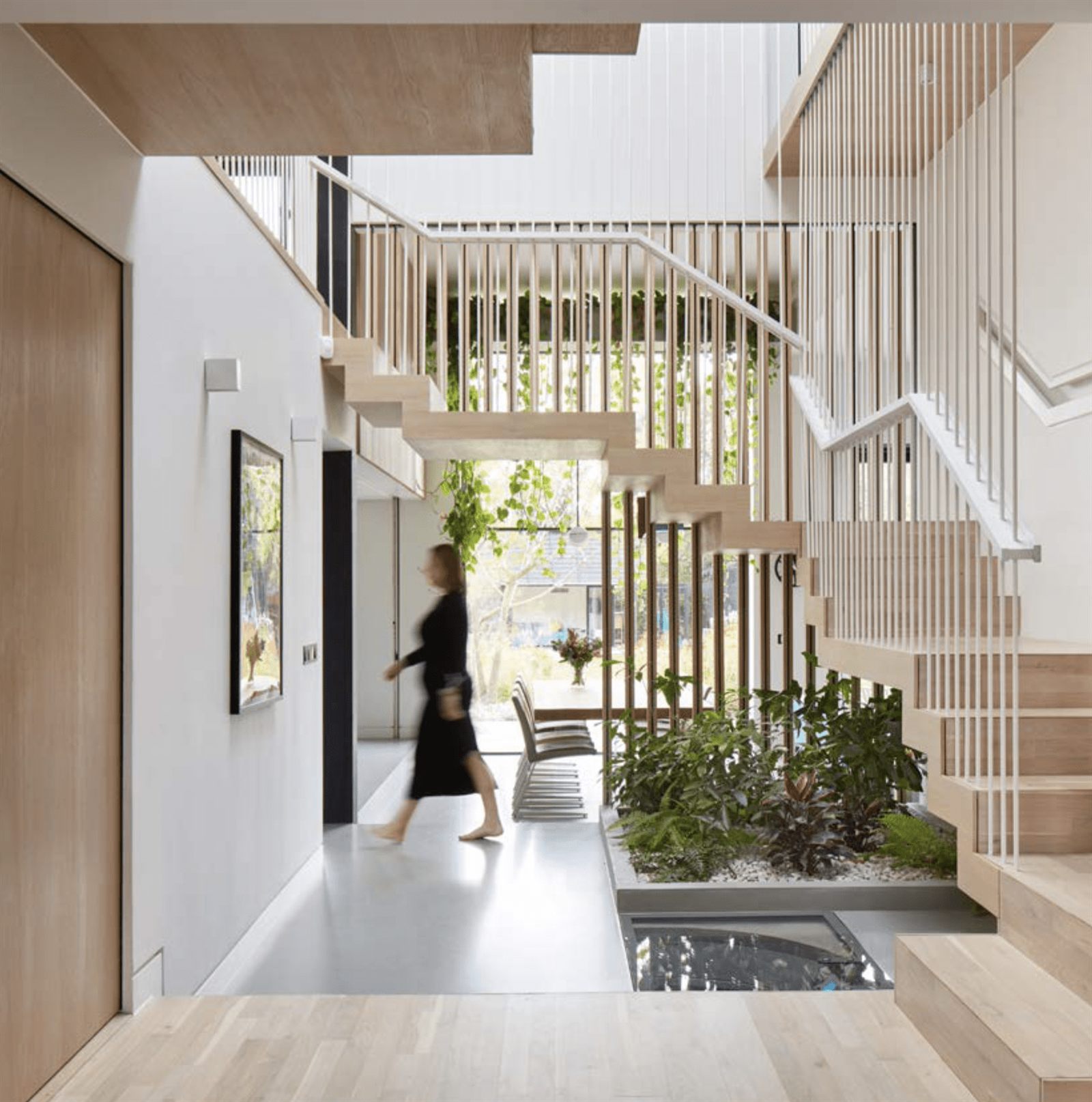
Before design begins, it is important to understand how you intend to live in the home. Consider:
- How will the spaces connect?
- Where does daylight need to enter?
- What should remain open and what should feel private?
- How flexible should rooms be as life evolves?
- Are there opportunities for multifunctional spaces?
Katerina often emphasises to our clients that the most successful homes are those that reflect the daily rhythms of the people living in them which is our main driver here at Scenario. New builds allow this to be intentionally designed rather than retrofitted.
6. What level of technology do I actually want?
There is a common assumption that new builds must be fully automated but recent trends show the opposite. Homeowners are starting to move away from all-inclusive smart systems because technology dates quickly and requires expensive upgrades.
More people now prefer:
- hybrid systems
- carefully placed speakers and AV solutions
- lighting and heating automation only
- fewer visible screens and wall controls
This aligns with a broader movement towards calmer, more beautiful spaces that are not dominated by technology.
7. What is my long-term plan for the home?
A new build should serve you for decades. Questions worth considering include:
- Will the home need to adapt over time?
- Is the design timeless or tied to current trends?
- Are long-term running costs considered?
- Is the home positioned to remain energy-efficient as standards evolve?
Katerina noted that well-designed new builds are far easier to futureproof than retrofitted homes. With more control over structure and systems, it becomes possible to design a home that is comfortable, resilient and flexible for years ahead.
Building a house in London is a rare opportunity to design a home that fits your life precisely. Asking the right questions at the beginning sets the foundation for a smooth process, stronger planning outcomes, and a home that performs beautifully in the long term.
Whether you're at the first step or ready to begin, our team can help you make informed decisions that shape a thoughtful, well designed new build home.