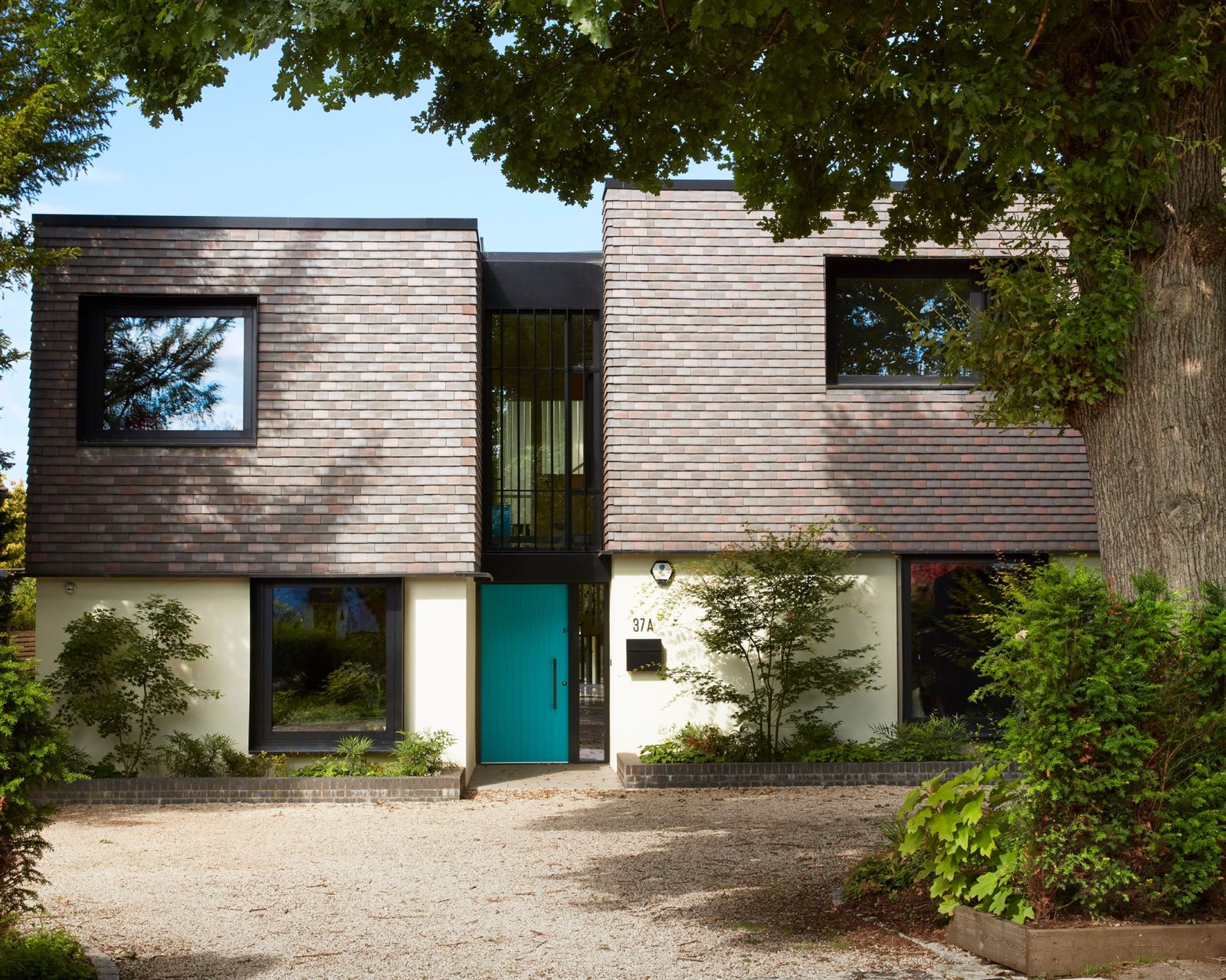
Planning applications are essential steps in any construction project in St Albans. Whether you're considering a new build, kitchen extension, or renovation, understanding the planning process can make a significant difference in your project's success. This guide explains how to research, submit, and track planning applications in St Albans, using Scenario Architecture's "An Uneven Split" new build project as a practical example.
Understanding Planning Applications in St Albans
Planning applications are formal requests to St Albans City and District Council for permission to build new structures or make changes to existing buildings. These applications help maintain the area's character while allowing for necessary development and growth.
The Local Planning Authority
St Albans City and District Council serves as the local planning authority. When reviewing applications, the council considers local development plans and national planning policies, while paying close attention to conservation area guidelines and environmental impact. Community feedback plays a vital role in their decision-making process, as they work to balance development needs with preservation of the area's unique character.
Case Study: An Uneven Split by Scenario Architecture
Scenario Architecture's An Uneven Split project demonstrates excellent planning application management for a new build home. The project began with extensive pre-application consultation, including detailed discussions with planning officers and careful design development that considered the local context. This early engagement helped identify potential challenges before they became obstacles.
The full planning application included comprehensive architectural drawings alongside a detailed design and access statement. Environmental surveys provided crucial data about the site's conditions, while a heritage impact assessment addressed the project's relationship with its historic surroundings. The team also developed thorough tree protection plans to preserve the local environment and how to incorporate more sustainable measures for both the atmosphere and to reduce energy costs.
How to Research Planning Applications
Step 1: Access the Planning Portal
The first step in researching planning applications is visiting the St Albans City and District Council website and locating the planning section. The council maintains a database containing all applications, decisions, and related documents.
Step 2: Search Methods
When searching for planning applications, you can use the address, application reference number, or postcode. The system also allows searches by date range and application type, making it easier to find relevant examples for your project.
Step 3: Review Application Documents
Important documents to examine include planning application forms and architectural drawings, along with design statements that explain the project's rationale. Decision notices and planning officer reports provide insights into the approval process, while public comments offer perspective on community concerns and support.
Tips for Successful Planning Research
Studying similar approved applications for properties like yours can provide valuable insights into successful design approaches. You'll learn which conditions are commonly applied and understand the reasons behind approvals or rejections.
Examining previous applications for the same property reveals its planning history, development patterns, and any existing restrictions. This historical context proves invaluable when preparing your own application.
Staying informed about current applications in your area helps you understand local development trends and their potential impact on your property.
The Planning Process Timeline
The planning application process in St Albans typically spans twelve weeks. The first two weeks involve application validation, public notification, and the start of consultation. Weeks three through six encompass the public consultation period, during which technical reviews and site visits occur. The seventh and eighth weeks focus on officer assessment and report preparation. The final weeks involve decision-making, condition setting, and notice issuance.
Making Effective Applications
Scenario Architecture's approach with An Uneven Split demonstrates the importance of clear documentation through professional drawings, detailed plans, and thorough supporting statements. Their success stemmed from careful attention to policy compliance, ensuring alignment with local plans and technical requirements while addressing environmental considerations.
They invested time in community engagement through neighbour consultations and public presentations, actively responding to feedback throughout the process. This collaborative approach helped create a stronger application with broader community support.
Monitoring Your Application
Following submission, you can track your application's progress through the online planning portal, maintain direct communication with planning officers, and review weekly planning lists. All public access documents remain available throughout the process, allowing you to stay fully informed of developments.
Understanding and researching planning applications forms the foundation of successful development in St Albans. Projects like Scenario Architecture's "An Uneven Split" show how careful preparation and attention to detail throughout the planning process lead to positive outcomes.
For specific guidance on your planning application, reach out to St Albans City and District Council's planning department or consult with architectural professionals in St. Albans like Scenario Architecture, who bring valuable experience with successful applications in the area.