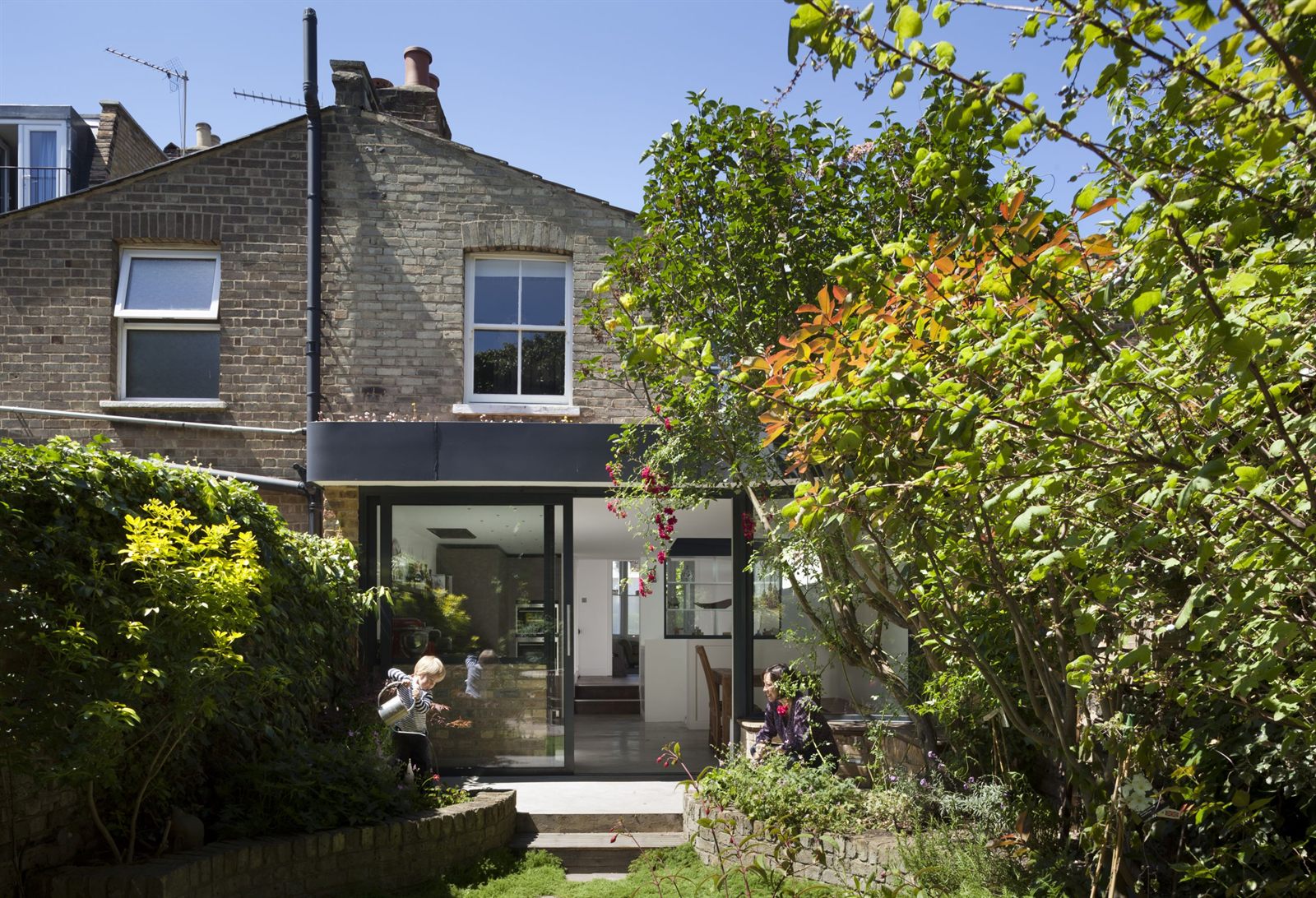
In the historic borough of Bromley, architectural conservation stands at a fascinating crossroads between preservation and innovation.
At Scenario Architecture, we've witnessed firsthand how thoughtful, contemporary design approaches can breathe new life into heritage buildings while respecting their cultural significance. This delicate balance between honouring the past and embracing the future defines our approach to conservation projects throughout the borough.
The Delicate Balance of Heritage Conservation
Conservation architecture in Bromley presents unique challenges. The borough boasts an impressive array of historic structures, from Victorian townhouses to art deco gems and medieval landmarks. Each represents a chapter in Bromley's rich narrative—a story that continues to evolve as the community grows and changes.
The most successful conservation projects don't simply freeze buildings in time. Instead, they acknowledge that structures must adapt to remain relevant and functional in modern society. This philosophy requires architects to develop solutions that honour historical elements while introducing contemporary functionality.
Bromley's conservation areas, including Bromley Town Centre, Bromley Common, and Shortlands, each present distinct architectural characters that demand tailored approaches. The Grade II listed buildings scattered throughout these areas serve as anchors to the borough's identity, requiring careful consideration during any intervention.
The Evolution of Conservation Philosophy
Traditional approaches to conservation often emphasised strict preservation, sometimes at the expense of functionality. Buildings would be meticulously restored to their original state, but might struggle to meet modern standards of comfort, accessibility, and energy efficiency.
Today's conservation philosophy has evolved considerably. Contemporary approaches recognise that heritage buildings must continue to serve useful purposes to remain viable. This shift represents a move from pure preservation toward thoughtful adaptation—maintaining the cultural significance of buildings while enabling them to function effectively in the 21st century.
Navigating Bromley Planning and Regulatory Challenges
Conservation projects in Bromley must navigate a complex regulatory landscape. Listed Building Consent, Conservation Area approval, and compliance with building regulations present multiple layers of oversight that can sometimes seem at odds with one another.
Successful projects begin with early engagement with Bromley Council's conservation officers. This collaborative approach allows architects to understand regulatory expectations and develop design strategies that satisfy heritage requirements while meeting client objectives.
Scenario Architecture has developed expertise in preparing Heritage Statements and Design and Access Statements that effectively communicate the rationale behind proposed interventions. These documents articulate how modern design elements respond to and enhance heritage assets, helping planning authorities understand the thoughtful consideration behind seemingly contemporary additions.
Bromley's Success Stories
Throughout Bromley, we see inspiring examples of conservation done right. Historic commercial buildings have been thoughtfully adapted into modern workspaces, preserving street-facing facades while reconfiguring interiors to support contemporary business needs. Former industrial sites now host thriving community hubs, with original architectural features celebrated and incorporated into new designs.
The renovation of Bromley Central Library exemplifies this balanced approach. The original character-defining elements were carefully restored, while modern interventions improved accessibility, technology integration, and energy performance. The result is a building that maintains its historical significance while serving contemporary community needs more effectively.
Similarly, the adaptive reuse of the former Royal Bell Hotel demonstrates how heritage buildings can find new purpose through thoughtful intervention. The Grade II listed structure now accommodates mixed uses, with restored public spaces showcasing original features alongside contemporary elements that support new functions.
These projects succeed because they approach conservation as a conversation between past and present, rather than a one-way preservation effort. They ask: "How can this building continue to tell its story while serving today's needs?"
Sustainable Conservation: Environmental Considerations
Heritage conservation and environmental sustainability share fundamental values—both emphasise stewardship, long-term thinking, and resource preservation. Yet historically, these disciplines have sometimes appeared to conflict, particularly when energy efficiency improvements seemed to threaten historic fabric.
Modern conservation architects have developed innovative approaches to resolve these tensions. Passive design strategies often prove particularly valuable, as they can improve comfort and reduce energy consumption without significant physical intervention. Strategic improvements to building envelopes, carefully designed natural ventilation systems, and upgraded services can dramatically improve environmental performance while respecting heritage constraints.
One Bromley project exemplifies this approach: a Victorian school building converted to residential use. By meticulously analyzing the building's existing environmental behaviours—its thermal mass, natural ventilation patterns, and solar gains—we identified opportunities to enhance performance through subtle interventions that complemented, rather than fought against, the building's inherent characteristics.
Economic Viability: The Practical Dimension
For conservation projects to succeed long-term, they must be economically viable. This practical consideration influences everything from material selection to spatial configuration. The challenge lies in finding the sweet spot where heritage value and commercial feasibility align.
In Bromley, successful projects typically identify compatible new uses that can support the ongoing maintenance of historic fabric. Converting upper floors of high street buildings to residential accommodation, for instance, can generate income streams that fund the conservation of more visible ground-floor elements.
The economic dimension extends beyond individual buildings to neighbourhood-scale considerations. Well-executed conservation projects can catalyse regeneration, attracting investment and enhancing property values throughout surrounding areas. Bromley's historic district has benefited from this phenomenon, with thoughtfully conserved buildings contributing to a distinctive sense of place that supports local businesses and cultural activities.
Technological Integration: Heritage in the Digital Age
As technology becomes increasingly central to how we live and work, heritage buildings must accommodate modern systems without compromising their character. This challenge requires creative solutions that respect historic spaces while enabling contemporary functionality.
Wireless technologies offer particular advantages, reducing the need for invasive cabling. Discreet climate control systems can be integrated within existing building elements. Contemporary lighting can be designed to highlight historic features while providing appropriate illumination for modern activities.
In one Bromley project involving a Grade II listed former banking hall, we collaborated with technology specialists to develop bespoke solutions that integrated audio-visual equipment, climate control, and lighting within existing architectural elements. The result maintained the grandeur of the original space while supporting its new function as a flexible events venue.
Future Directions: Emerging Approaches
Conservation architecture continues to evolve, with several emerging trends likely to influence future projects in Bromley:
Preventive conservation focuses on mitigating risks before damage occurs. By monitoring environmental conditions, identifying vulnerabilities, and implementing protective measures, this approach reduces the need for more invasive interventions later.
Values-based conservation places greater emphasis on cultural significance rather than just physical fabric. This approach accommodates diverse perspectives on what makes buildings meaningful and guides decisions about which elements to prioritize during conservation efforts.
Resilience planning addresses the challenges posed by climate change and other environmental threats. Conservation projects increasingly incorporate measures to protect heritage assets from flooding, extreme weather, and changing climate patterns.
As digital technologies advance, virtual and augmented reality applications offer new ways to document, interpret, and experience heritage buildings. These tools can reveal hidden layers of history, demonstrate proposed interventions, and preserve digital records of buildings for future generations.
As Bromley continues to evolve, so too will our approaches to architectural conservation. The most successful heritage projects will be those that embrace this evolution—finding creative ways to honor the past while accommodating the future.
For those considering a conservation project in Bromley, we encourage you to view heritage constraints not as limitations but as opportunities. With thoughtful design, historic elements can become the foundation for innovative spaces that serve contemporary needs while continuing to tell the story of this remarkable borough.
The true art of conservation architecture lies not in perfect preservation, but in finding the delicate balance that allows buildings to remain authentic, functional, and meaningful for generations to come. At Scenario Architecture, we remain committed to this balance—celebrating Bromley's rich architectural heritage while ensuring it continues to thrive in a changing world.