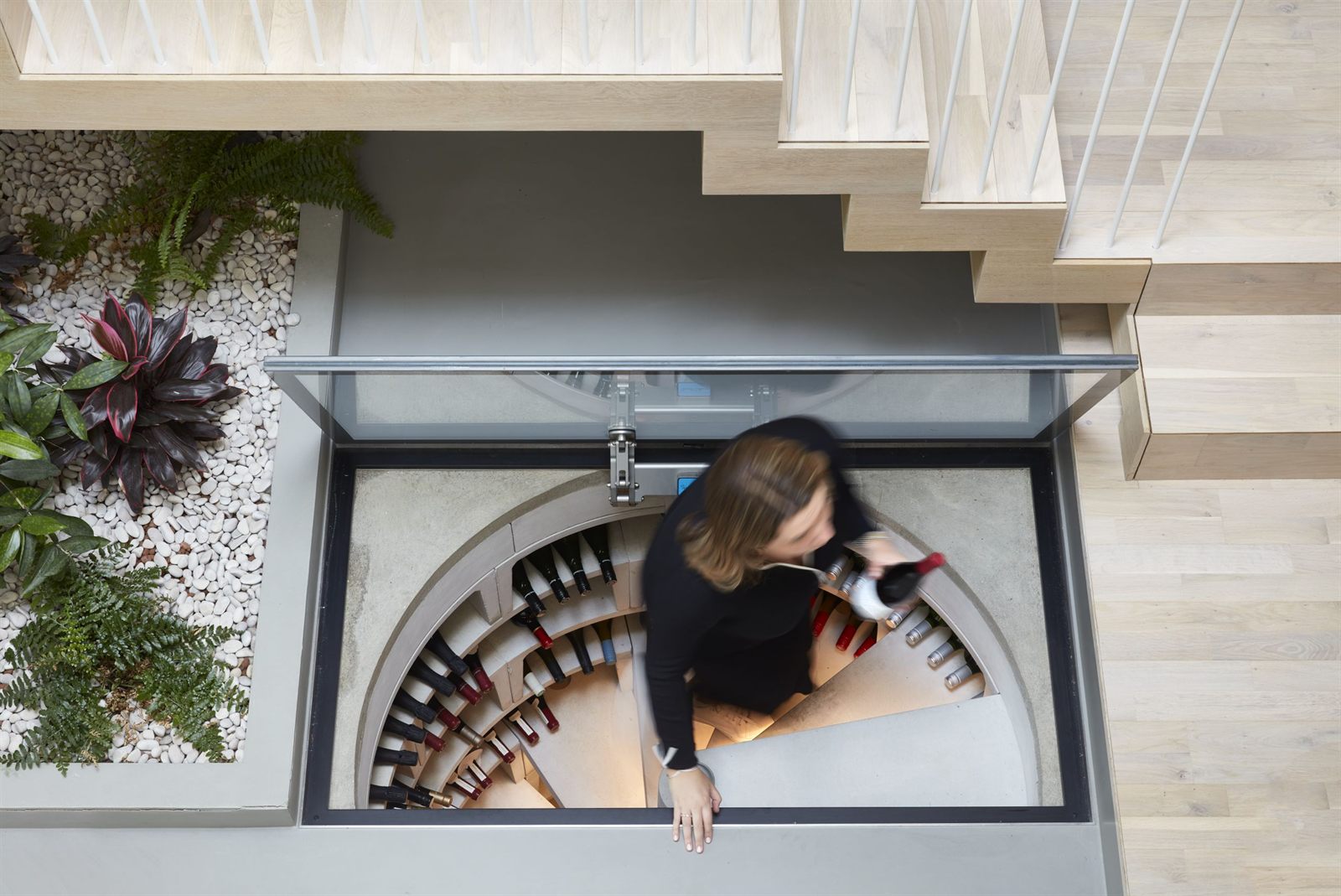
In property conversations, particularly in high-value areas like London, “value” is often reduced to square metres and resale price. But as we always emphasise in our work at Scenario Architecture, is that market value and design quality are not the same thing.
And importantly, one does not automatically guarantee the other.
The Market Value Mindset
When homeowners approach a project, a common starting question is:
“Will this add value?”
Typically, this translates into:
-
Adding floor area
-
Creating an extra bedroom
-
Increasing gross internal area
-
Maximising resale potential
These are measurable metrics. Estate agents understand them. Surveyors quantify them. They feel safe.
But designing purely for resale can lead to:
-
Overdevelopment of the plot
-
Compromised natural light
-
Awkward layouts
-
Poor long-term adaptability
-
Spaces that feel generic rather than personal
In short, you can increase square footage but this may reduce quality if not carefully thought through.
What Design Quality Actually Means
Our approach has always centred on designing around lifestyle first, not resale spreadsheets.
Design quality isn’t about adding more, it’s about adding better.
It includes:
-
Natural light and spatial flow
-
Proportions that feel comfortable
-
Thoughtful transitions between spaces
-
Connection to outdoor areas
-
Flexibility as families grow or change
These qualities aren’t always immediately visible in estate agent listings, but they deeply affect how a home feels and functions.
Why More Space Doesn’t Always Mean More Value
A larger extension may technically increase floor area, but if it:
-
Darkens the centre of the home
-
Blocks key views
-
Overlooks neighbours
-
Feels disconnected from the original building
…it may actually reduce overall desirability.
Planning-led design forces these questions early. Rather than asking “How big can we build?”, the better question is:
“How well will this space work?”
A well-designed 25m² extension can feel more valuable than a poorly planned 40m² one.
Long-Term Value vs Immediate Gain
True value isn’t only about resale.
It’s also about:
-
Reduced need for future alterations
-
Lower running costs through sustainable design
-
Adaptability over time
-
Emotional attachment to a well-considered home
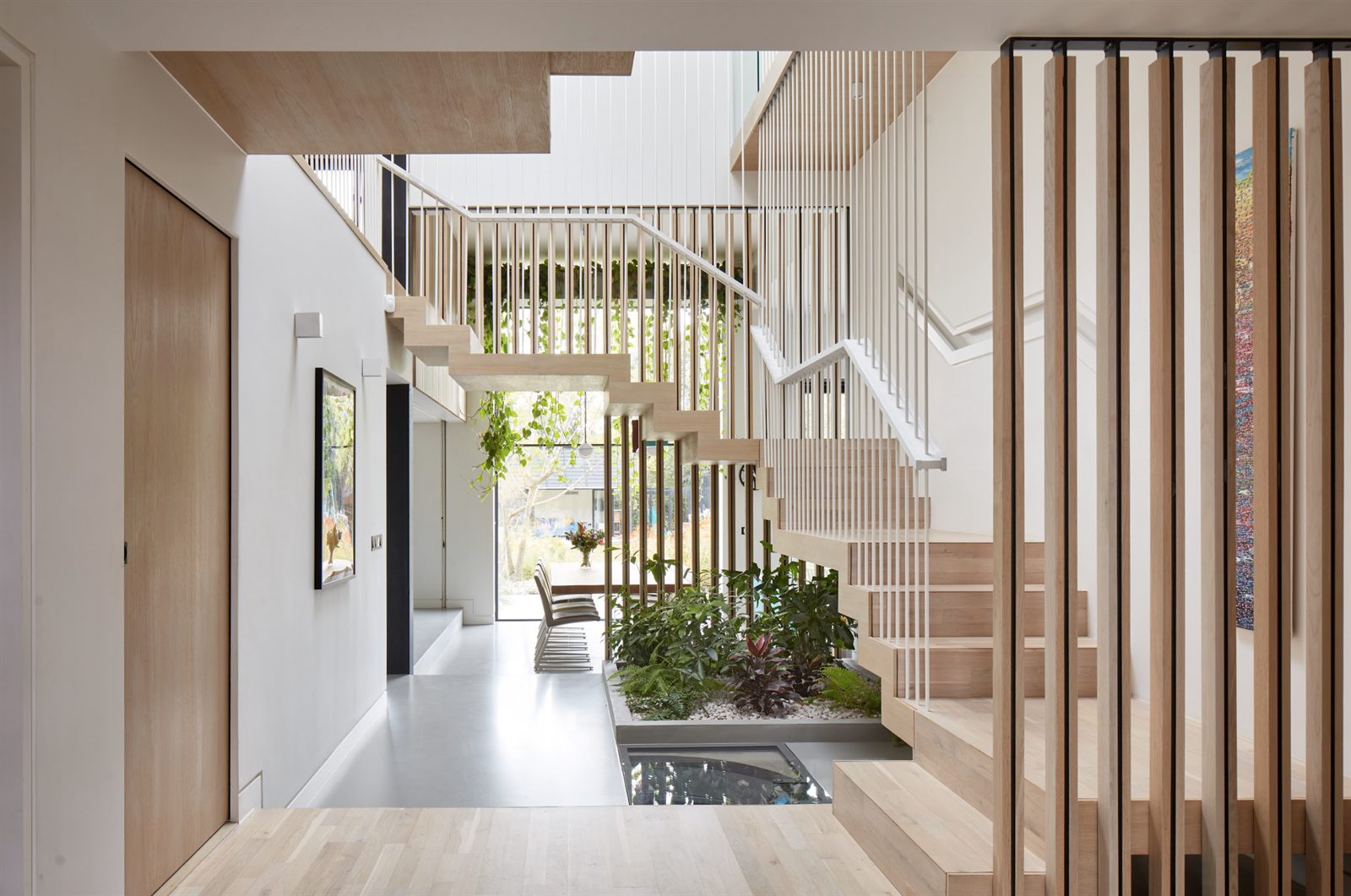
Homes designed around lifestyle tend to age better. They don’t feel dated or compromised as quickly. They evolve with the family rather than fighting against it.
And ironically, homes with genuine design integrity often perform better on the market anyway, because buyers can sense the difference.
Long-Term Value vs Immediate Gain
True value isn’t only about resale.
It’s also about:
-
Reduced need for future alterations
-
Lower running costs through sustainable design
-
Adaptability over time
-
Emotional attachment to a well-considered home
Homes designed around lifestyle tend to age better. They don’t feel dated or compromised as quickly. They evolve with the family rather than fighting against it.
And ironically, homes with genuine design integrity often perform better on the market anyway, because buyers can sense the difference.
The Planning Reality
In London and across the UK, planning approval often rewards thoughtful design over bulk.
Local authorities assess:
-
Context
-
Impact
-
Quality
-
Relationship to surroundings
Simply maximising size does not guarantee consent. In many cases, restraint and clarity of design are stronger arguments than scale.
So Which Should You Prioritise?
The real goal isn’t choosing between design quality and market value, it’s understanding that quality is what ultimately sustains value.
A home designed carefully:
-
Feels better to live in
-
Performs better environmentally
-
Adapts more easily
-
Appeals more broadly
Design quality may not always be immediately measurable in pounds per square metre, but over time, it’s what protects and enhances true value.