In London, it’s not unusual for two houses that look almost identical on paper to receive completely different planning decisions. Homeowners often assume planning is a simple checklist exercise but in reality, outcomes are shaped by a far more nuanced process.
Drawing on experience at Scenario Architecture, here’s why similar proposals can lead to very different results.
1. Borough Policy Is Interpreted Differently
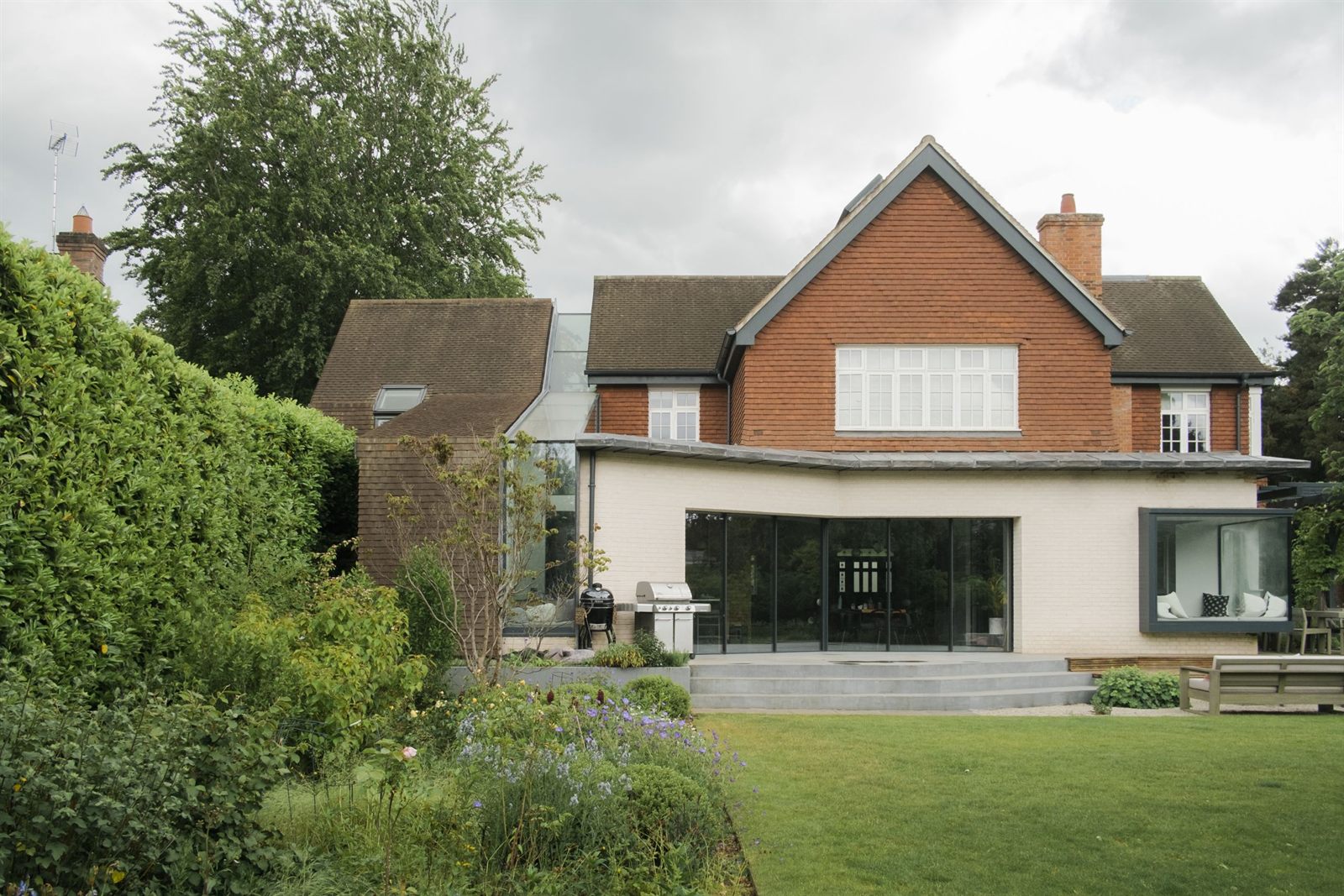
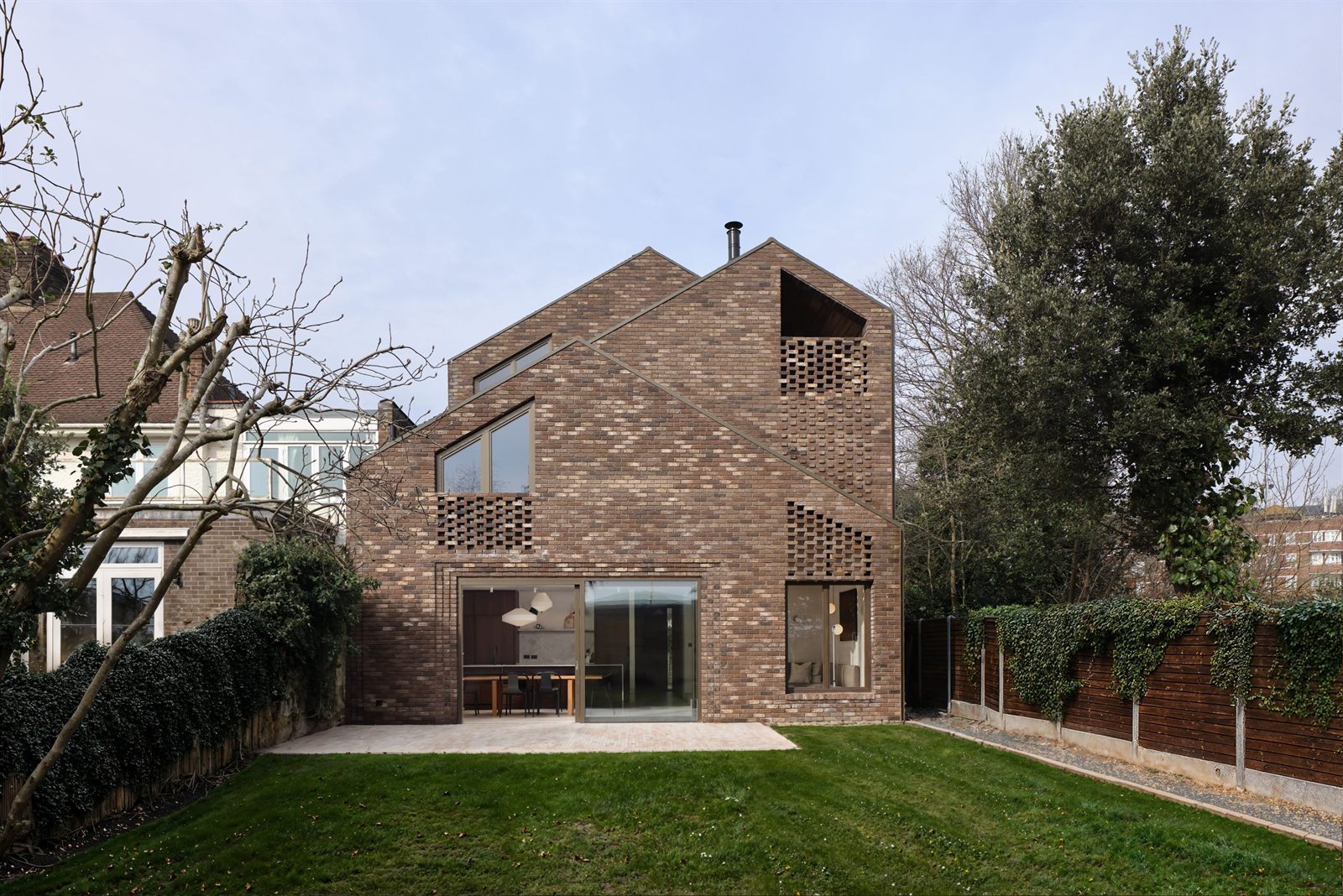
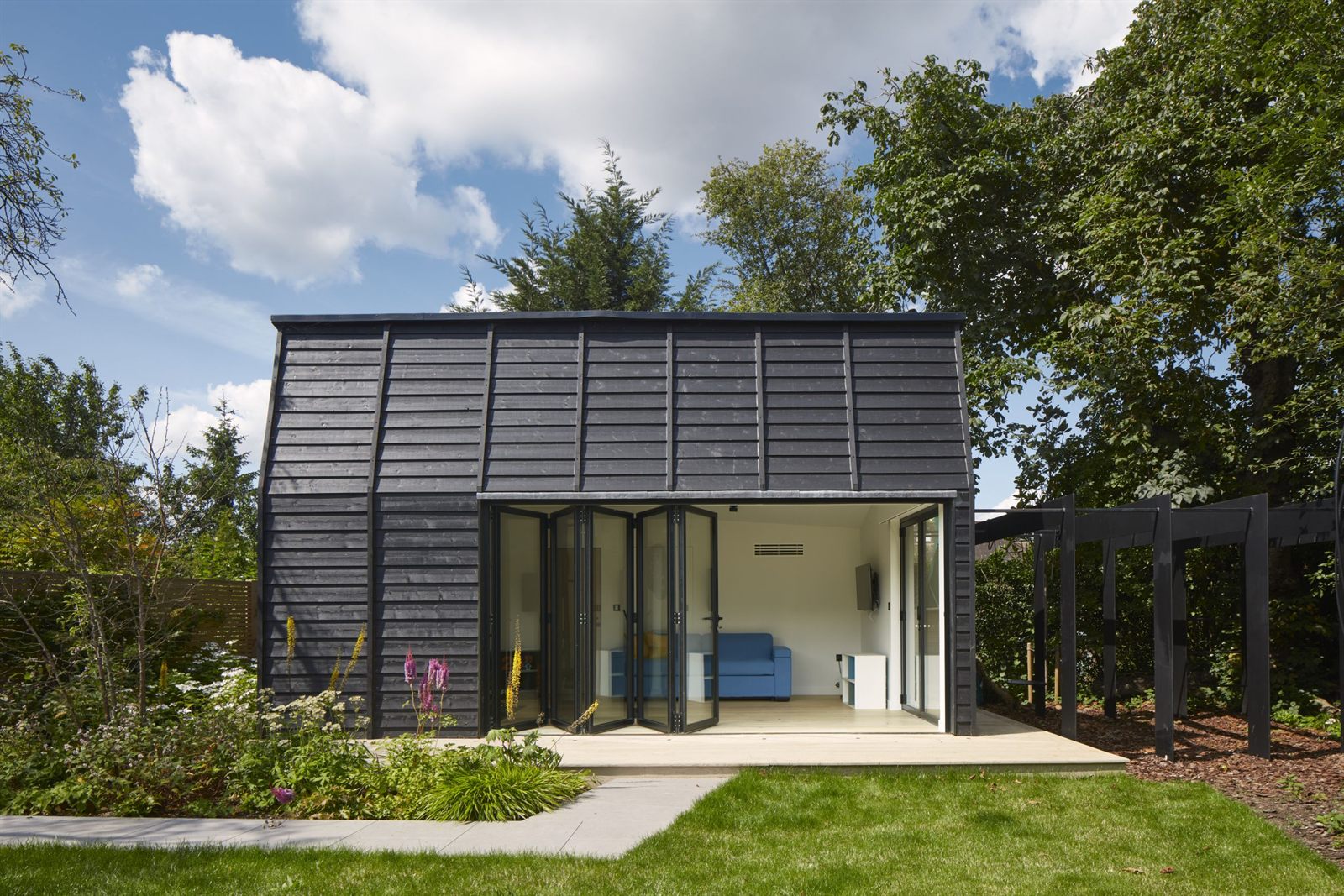
Each London borough has its own Local Plan, priorities and internal culture.
Even when policies appear similar, such as limits on extensions or height, how they are interpreted can vary significantly between boroughs. Some authorities are more design-led and open to contemporary responses; others prioritise strict contextual alignment.
Planning is not just about what policy says, it’s about how it’s applied.
2. Site Context Changes Everything
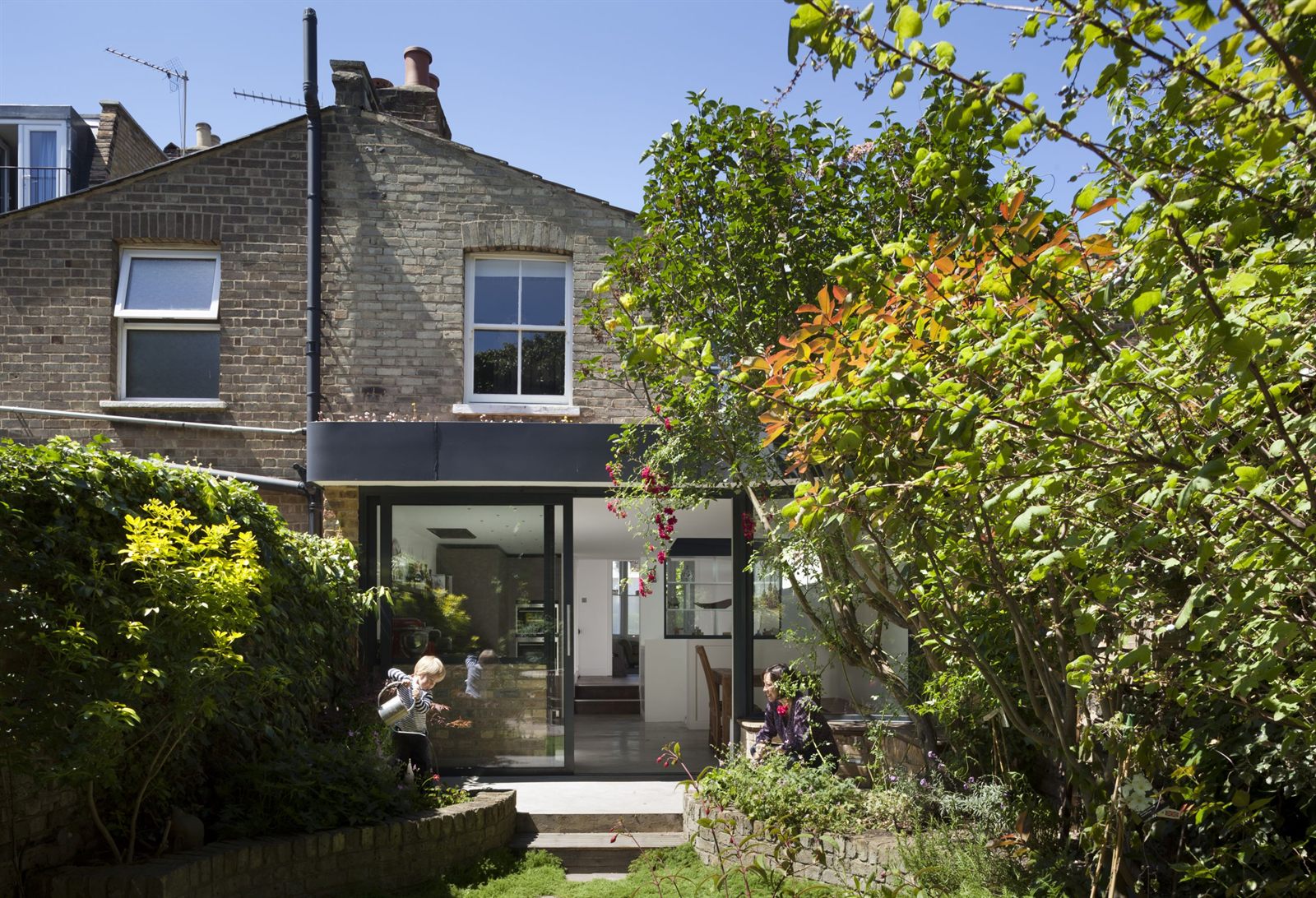
Two houses may look alike, but their surroundings might not be.
Factors that heavily influence decisions include:
-
Whether the property sits in a conservation area
-
Its relationship to neighbouring homes
-
The rhythm of the street
-
Heritage considerations
-
Overlooking and daylight impacts
A proposal that works perfectly in one setting may feel intrusive in another, even if the design is almost identical.
3. Precedent Isn’t a Guarantee
A common assumption is:
"My neighbour got approval, so I will too."
But planning decisions are not automatically transferable.
Officers assess each application individually. Changes in policy, different officer interpretations, or subtle design distinctions can all lead to different outcomes even on the same street.
4. Design Detail Matters More Than Size
Two extensions may be the same footprint, but:
-
One might feel bulky
-
The other may appear lightweight
-
One may overshadow neighbours
-
The other may step back subtly
Small design decisions, proportions, rooflines, materials, setbacks, can dramatically influence how a proposal is perceived.
Planning committees and officers respond not just to numbers, but to how a building feels in context which is why hiring an architect with local knowledge can really benefit your project.
5. The Narrative Behind the Application
Strong planning applications tell a clear story.
Applications that:
-
Demonstrate thoughtful design reasoning
-
Show understanding of policy
-
Address neighbour impact early
-
Engage in pre-application discussions
are often more successful than those that simply submit drawings.
Planning is as much about communication as it is about design.
6. Timing and Policy Changes
London planning policy evolves regularly.
What was approved three years ago may no longer align with updated sustainability targets, design codes or local priorities. Two similar houses built at different times may face completely different regulatory landscapes.
The Bigger Picture
Planning permission in London isn’t a formula. It’s a careful balance of:
-
Policy
-
Context
-
Design sensitivity
-
Strategy
-
Communication
That’s why two houses that appear similar can end up with very different outcomes.
Understanding this complexity early — and shaping design around it — is often what makes the difference between approval and refusal.