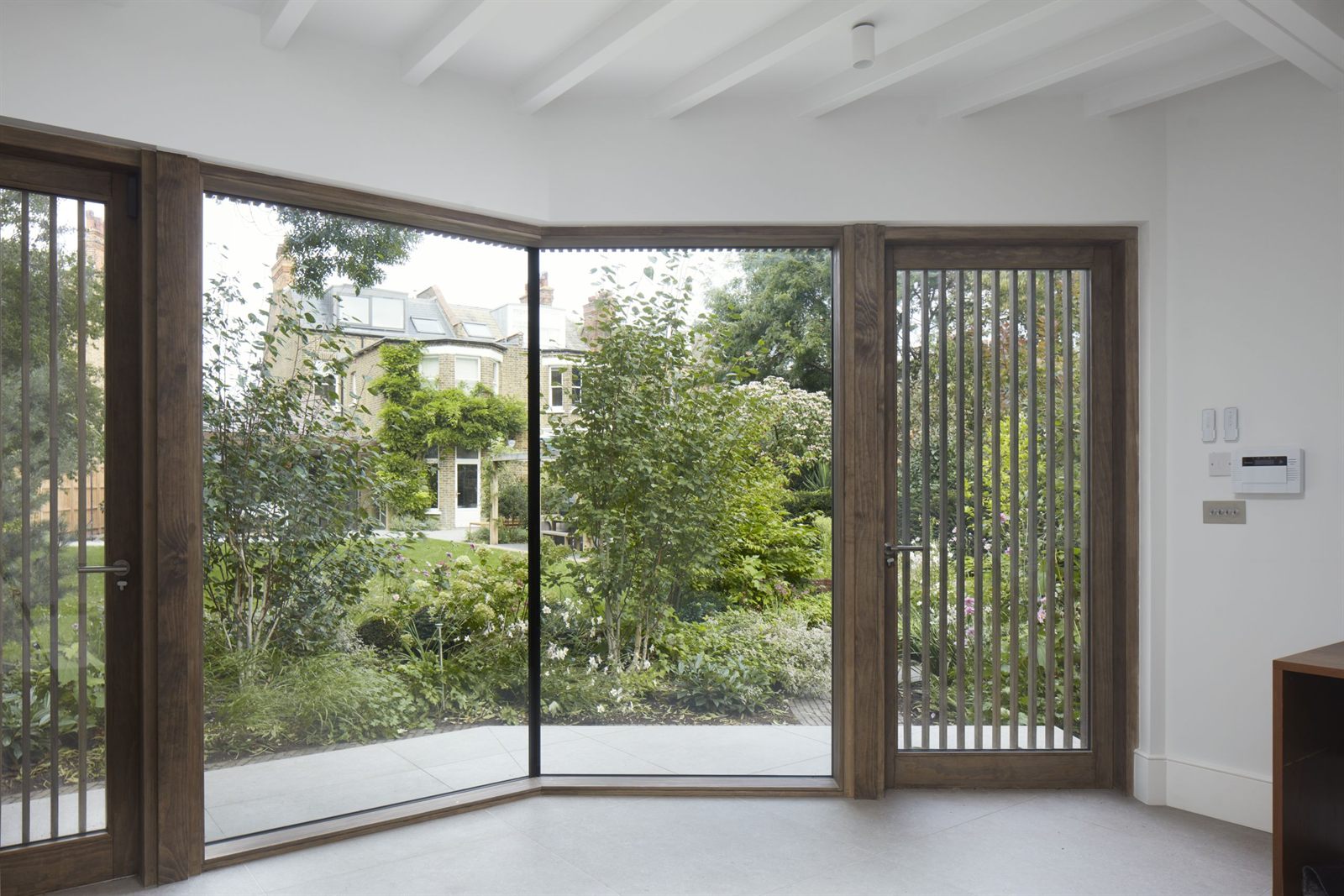
If there’s one thing shaping London homes in 2025 that we're currently seeing, it’s this: people are actually moving away from set “trends” altogether. Homeowners want something much more meaningful, spaces that feel personal, lived-in, and reflective of who they are.
Design in the capital isn’t about following one clean aesthetic anymore. It’s about mixing influences, choosing materials that really resonate with an individual, and creating layouts that genuinely support daily life. Below, we explore the ideas shaping London homes this year, why the city’s design culture feels more individual than ever, and how London architects can help guide the way.
Homes Designed Around You, Not a Trend Book
For years, architectural “trends” pushed a certain look, the minimalist kitchen, the neutral palette, the sleek everything. But we're noticing Londoners are quietly stepping away from that.
Personalisation has become the real design movement:
-
A blend of styles instead of a single, prescriptive one
-
Quiet corners for decompressing, alongside warm spaces for hosting
-
Rooms that are flexible for working, creating, resting
-
Details that feel collected, not curated
It’s refreshing. Instead of chasing a uniform look, London homeowners are embracing spaces with character and really adding their mark. They're creating places that grow with them instead of dating quickly.
Sustainability Is Evolving and It’s Not Just About the Environment
Building on our last point, having a space that is uniquely yours and done to a high-quality standard means it will last.
Sustainability remains central to how architects design in London, but the conversation has widened. We’re no longer talking only about energy efficiency or eco-friendly materials (though those are still crucial).
The more forward-thinking design studios are adopting a broader view in line with ESG thinking: Environmental, Social, and Governance.
Environmental
Energy use, insulation, renewable materials, waste reduction — the classics, but done more intelligently.
Social
Design that feels good to live in:
-
Plenty of daylight
-
Good air quality
-
Thermal comfort
-
Sound insulation
-
Spaces that support wellbeing
These aspects are playing a much bigger role.
Governance
This is where the industry is catching up fast. Brands and suppliers are now expected to:
-
Be transparent about sourcing
-
Prove ethical production
-
Offer products that last
-
Reduce chemicals and micro-waste
It’s a shift that goes beyond regulation, we're recognising that people simply want to know what’s behind the things they bring into their homes.
Design Brands Are Becoming More Responsible
It’s not just architects leading this change. Many design brands are rethinking how they operate. You’ll see more companies sharing ESG commitments on their websites, testing new materials, and reducing waste behind the scenes.
This is filtering through to residential projects in London, giving architects access to better materials and more responsible supply chains. The entire ecosystem is rising to meet expectations.
Design Brands Are Becoming More Responsible
It’s not just architects leading this change. Many design brands are rethinking how they operate. You’ll see more companies sharing ESG commitments on their websites, testing new materials, and reducing waste behind the scenes.
This is filtering through to residential projects in London, giving architects access to better materials and more responsible supply chains. The entire ecosystem is rising to meet expectations.
Our Approach to Sustainability
Scenario Architecture has been quietly pushing this forward-thinking approach for years. While sustainability in design often becomes a talking point only when regulations change, the studio believes responsibility sits with those who have the means to create meaningful impact.
Our stance is simple:
-
Make sustainability part of the design conversation from day one
-
Treat environmental and social considerations as standard, not extras
-
Work with suppliers who share a responsible ethos
-
Help clients make informed decisions without overwhelming them
-
Look at the full lifecycle of a home, not just the build
Scenario recognises that governance usually sparks momentum through policy, regulations or industry expectations but believes architects should take an active role, not a reactive one.
It’s a practical, thoughtful approach rather than a box-ticking exercise.
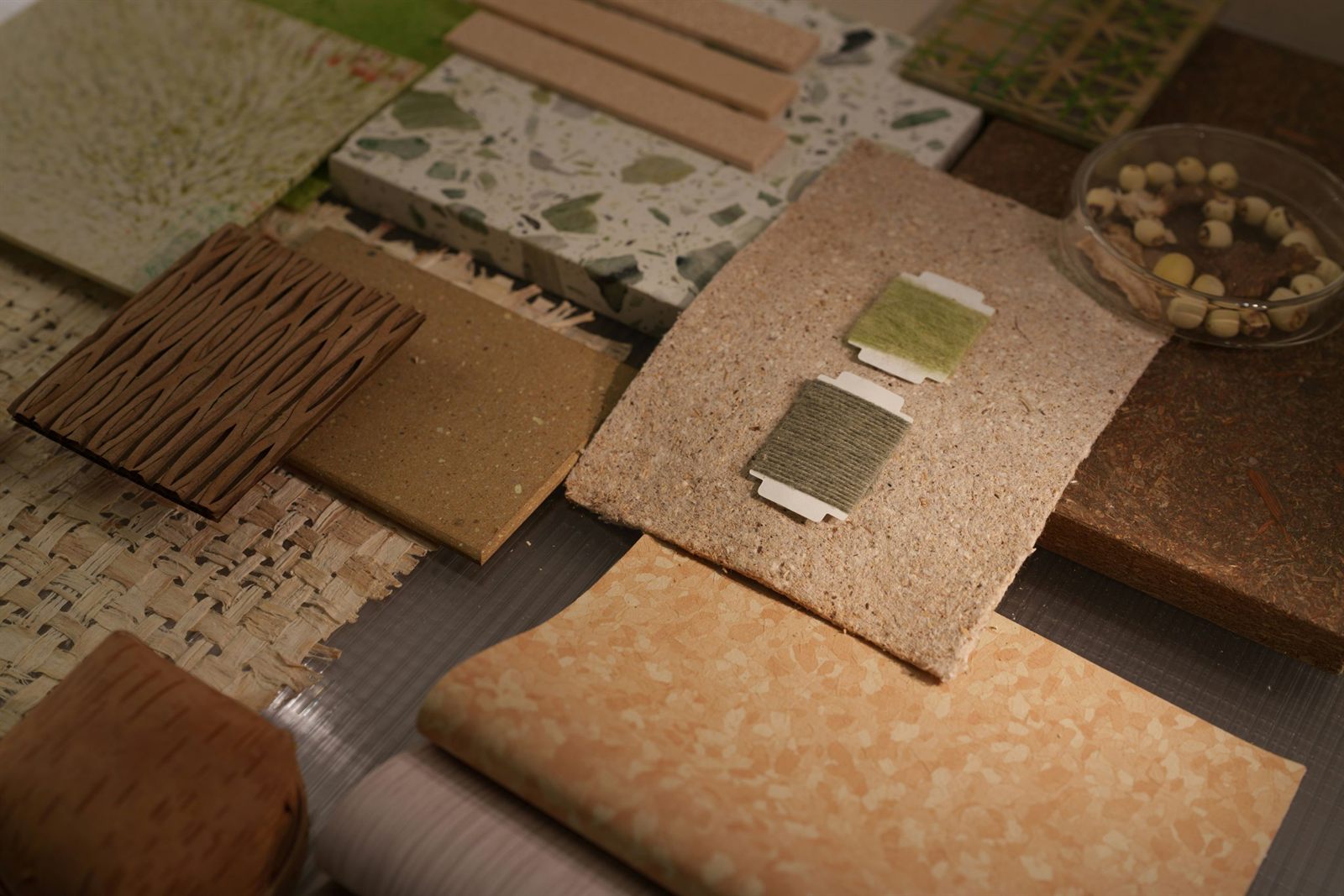
A Return to Natural and Honest Materials
Although personalisation is the real story for 2025, certain material choices are appearing again and again in modern London homes and requested more frequently by our clients. Many homeowners are gravitating towards:
-
Textural plasters
-
Natural timber
-
Stone and clay finishes
-
Warm metals
-
Tactile, imperfect surfaces
It’s less about polished perfection and more about creating homes that feel grounded, warm and calm, a direct response to the intensity of city living and the rise of AI.
Hybrid Living Is Still Shaping Layouts
Hybrid working hasn’t faded. It’s simply become a normal part of life, so London homes are quietly adjusting. We’re seeing:
-
Thoughtful study spaces
-
Better acoustic design
-
Rooms that double up without feeling compromised
-
Small outdoor nooks or terraces used as daily “reset” spaces
This isn’t a trend, it’s a behavioural shift in response to our evolving world in a post-Covid era and architects in London are adapting accordingly.
In 2025, London Homes Are Becoming More Human
What’s emerging across the capital is a design culture that’s more personal, more responsible, and more intuitive than ever before.
The key ideas shaping modern London homes this year are:
-
Personalisation over uniform trends
-
Sustainability with depth, not just environmental checklists
-
More responsible materials and supply chains
-
Technology that quietly supports daily life
-
Spaces designed to evolve with the people living in them