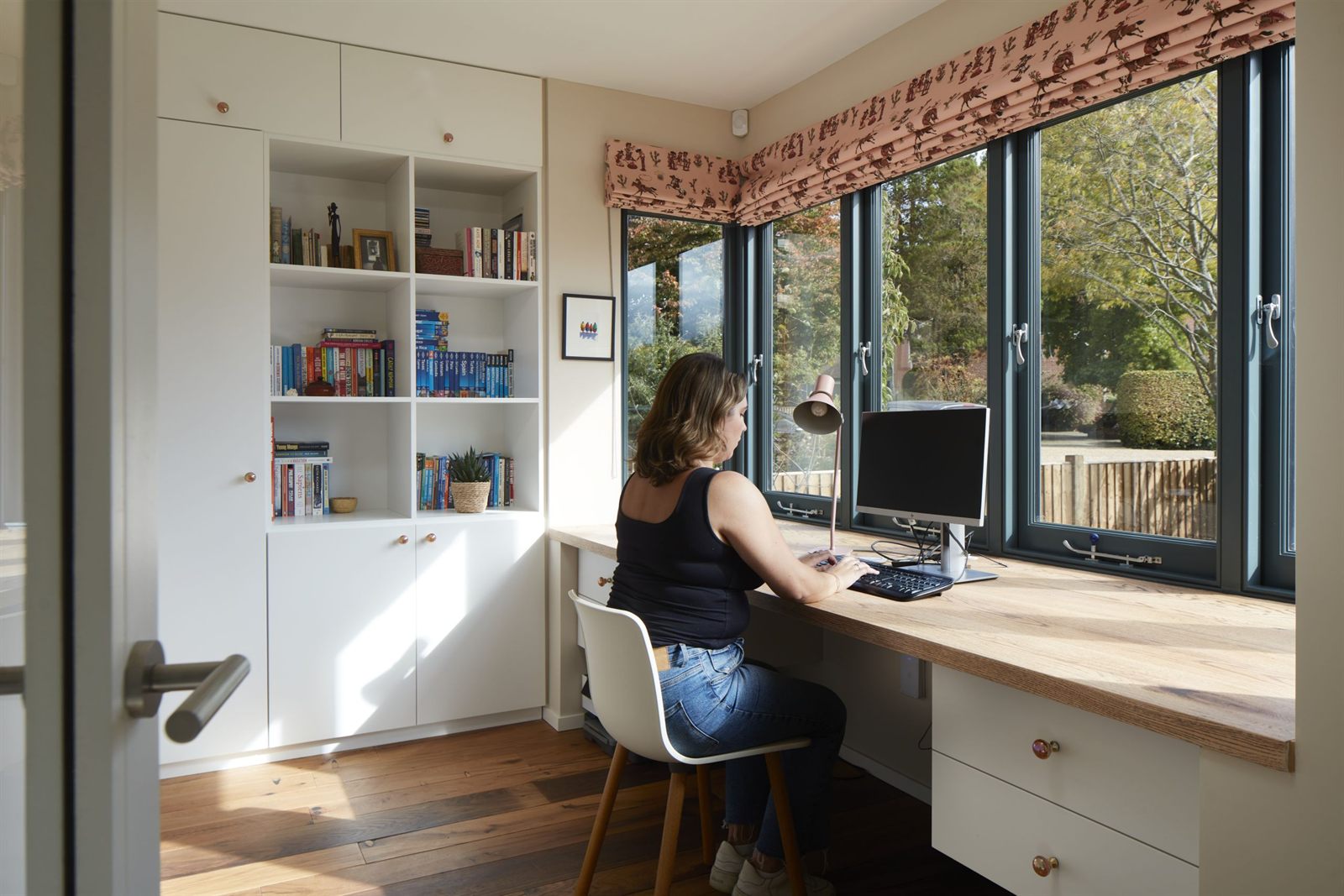
As more and more people are working from home, it is important to create a workspace that not only promotes productivity but also aligns with our values of sustainability.Sustainable architecture is all about designing and constructing buildings that have a minimal impact on the environment. This includes using eco-friendly materials, maximising natural light and ventilation, and implementing energy-efficient systems. By incorporating these sustainable architecture features into your home office, you can reduce your carbon footprint and create a healthier and more comfortable workspace.
large_first
Understanding the Characteristics of Sustainable Architecture
One of the most important sustainable architecture ideas for your home office is to use eco-friendly materials. This can include recycled or renewable materials such as bamboo, cork, or reclaimed wood. These materials not only have a lower environmental impact but also add a unique and natural touch to your workspace. Additionally, consider using low or zero-VOC paints and finishes to improve indoor air quality.Another key feature of sustainable architecture is maximising natural light and ventilation. This not only reduces the need for artificial lighting and air conditioning but also creates a more pleasant and productive work environment. Consider positioning your desk near a window to take advantage of natural light, and use energy-efficient windows and shades to control the amount of sunlight and heat entering your workspace.Incorporating energy-efficient systems is also crucial in sustainable architecture. This can include using LED lighting, installing a programmable thermostat, and investing in energy-efficient appliances. These small changes can make a big difference in reducing your energy consumption and utility bills.Invest in Energy-Efficient Appliances – Energy-efficient appliances can save a lot of money on your energy bill. When choosing appliances for your home office, make sure to opt for certified models. This designation means that the appliance meets energy-efficient standards. In addition to saving energy, energy-efficient appliances also have a longer lifespan.Consider natural ventilation – Natural ventilation systems can be a cost-effective solution for saving energy. Open windows and doors to let fresh air in, which also helps regulate temperature. Ceiling fans are also a good idea to keep air circulating. If you must install an air conditioning system, try a ductless mini-split system that uses less energy and can control the temperature of individual rooms.Incorporating green spaces into your home office is another great sustainable architecture idea. This can include adding plants and green walls to your workspace, which not only adds a touch of nature but also helps purify the air. You can also consider installing a rainwater harvesting system to collect and reuse rainwater for watering your plants or flushing toilets. These small changes can make a big impact on the sustainability of your home office.Install a green roof – A green roof is a roof that is partially or completely covered with vegetation. Green roofs are becoming increasingly popular in office buildings and homes. A green roof can help regulate temperature, absorb rainwater, and reduce heating and cooling costs. Shrubs, grasses, and flowers can also create a beautiful space for relaxation during work breaks.Sustainable architecture is all about creating buildings that are environmentally responsible, energy-efficient, and socially conscious. It goes beyond just using eco-friendly materials, but also focuses on reducing energy consumption, minimising waste, and promoting a healthy and sustainable lifestyle. By incorporating sustainable features into your home office, not only are you contributing to the preservation of the environment, but you are also creating a healthier and more productive workspace for yourself.At Scenario, we are confident in our ability to design and build a sustainable home office that meets your needs and aligns with your values. With our highly skilled team and years of experience in sustainable architecture, we are dedicated to creating a workspace that not only benefits you but also the environment. Contact us today to learn more about our sustainable architecture services and how we can help you build a sustainable workspace for your home office.
Essential Steps to Implement Sustainable Architecture in the UK
Now that we understand the fundamental characteristics, let's explore how to apply these principles to your building projects in the UK.
Step 1: Engage a Sustainable Architect
Engaging a sustainable architect with expertise in sustainable architecture design can ensure that your project aligns with your sustainability goals from the outset.
Step 2: Prioritise Energy Efficiency
Work with your architect to incorporate energy-efficient features (e.g., insulation, solar panels) throughout the design process.
Step 3: Select Sustainable Materials
Opt for locally sourced, recycled, and low-impact building materials for both structural components and finishing touches.
Step 4: Consider Lifecycle Costs
When making decisions about the design, materials, and construction methods, consider the long-term costs of maintenance, energy consumption, and environmental impact.
Step 5: Evaluate Performance
After completion, monitor your building's performance, energy usage, and other sustainability metrics to identify potential areas for improvement.