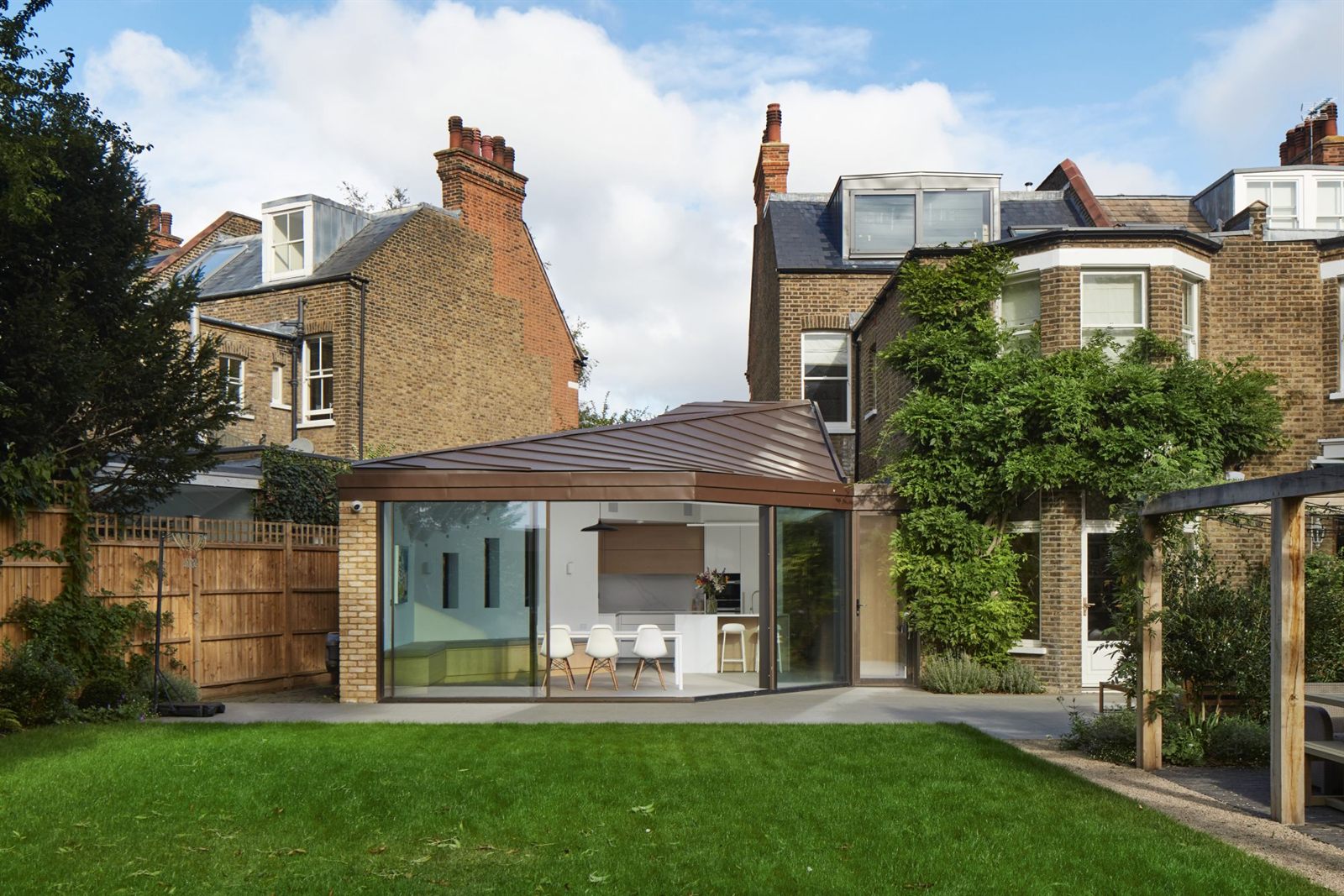
Sustainability is not just a trend—it is an essential shift towards responsible design that addresses the environmental challenges of our time. As we witness the impacts of climate change and resource depletion, the role of modern architecture in mitigating these effects becomes increasingly vital. Scenario Architecture, a practice rooted in sustainability, reflects these principles by designing homes that not only serve the needs of today’s homeowners but also prioritise ecological integrity for future generations. This blog explores how modern architecture achieves sustainability, integrating green technologies, efficient materials, and thoughtful design strategies.
large_first
A Shift in Design Philosophy
In the past, architectural design often focused solely on form, function, and aesthetics. However, the 21st century has seen a shift towards embedding sustainability at the core of architectural practices. This means considering the environmental impact of a building throughout its lifecycle—from material sourcing and construction to energy consumption during use and eventual deconstruction.
Architect Peter Buchanan highlights this evolution in his writing: “Architecture, traditionally concerned with beauty and shelter, now has the added responsibility of creating spaces that reduce their ecological footprint while enriching the quality of life of those who inhabit them. A building must be seen as a living organism, harmoniously interacting with the ecosystem around it.” (Buchanan, 2012).
Modern sustainable architecture embraces this notion, using design as a tool for long-term environmental stewardship.
Energy Efficiency and Passive Design
Energy efficiency is central to sustainable architecture. The International Energy Agency (IEA) reports that buildings account for nearly 40% of global energy consumption, making it critical to minimize their energy use. Passive design strategies—such as natural ventilation, optimal orientation for sunlight, and effective insulation—reduce reliance on artificial heating, cooling, and lighting systems.
For example, Scenario Architecture frequently integrates passive solar design principles into residential projects. By strategically positioning windows and using materials with high thermal mass, homes can harness natural sunlight to maintain comfortable indoor temperatures year-round. The use of double or triple-glazed windows further enhances insulation, reducing heat loss in colder months and preventing overheating in warmer months.
Sustainable materials and construction methods
Material selection plays a significant role in modern sustainable architecture. Architects now prioritize materials that are renewable, recyclable, and have low embodied energy (the energy consumed during production and transport). This shift is evident in the increasing use of natural materials such as timber, bamboo, and cork, as well as innovative materials like recycled steel, reclaimed wood, and low-carbon concrete.
Moreover, sustainable architecture seeks to minimise construction waste. Off-site prefabrication, for instance, allows for more precise control over material usage and reduces the waste typically generated during on-site construction. Scenario Architecture has adopted this technique in some of its projects, resulting in reduced environmental impact and faster construction timelines.
The concept of circularity, as described by architect Michael Braungart and chemist William McDonough in their influential book Cradle to Cradle, advocates for materials that can be perpetually cycled in closed loops: “The ‘cradle to cradle’ philosophy views materials not as disposable resources, but as assets that can be used, recovered, and reused endlessly, without degrading in quality. This circular approach to design aligns closely with the principles of sustainable architecture.” (Braungart & McDonough, 2002).
Water conservation
Water is another precious resource that modern architecture seeks to preserve. Sustainable design incorporates systems to manage water more efficiently, such as rainwater harvesting, greywater recycling, and low-flow fixtures. These technologies reduce the demand for potable water and lessen the strain on local water supplies.
Rainwater harvesting systems collect and store water for non-potable uses such as irrigation and toilet flushing. Similarly, greywater systems reuse water from sinks and showers to irrigate gardens, ensuring that no resource is wasted. These measures not only contribute to the conservation of water but also reduce utility bills for homeowners.
Content here
Renewable energy integration
A critical component of sustainable architecture is the integration of renewable energy sources. Solar panels, wind turbines, and geothermal systems are becoming increasingly common in modern buildings. By generating their own energy, these buildings can reduce or eliminate reliance on fossil fuels, contributing to a significant reduction in carbon emissions.
At Scenario Architecture, we are committed to designing homes that are as energy-independent as possible. In many of our projects, solar photovoltaic (PV) panels are installed on rooftops to capture sunlight and convert it into electricity. Some homes also feature ground-source heat pumps, which use the earth’s natural temperature to provide heating in the winter and cooling in the summer.
Designing for longevity and adaptability
A sustainable building is one that stands the test of time. Modern architecture emphasises durability and adaptability, ensuring that buildings can be easily updated or repurposed as needs change. Flexible design reduces the need for future demolition and reconstruction, which are both resource-intensive processes.
Scenario Architecture approaches every project with the goal of creating homes that can evolve with their occupants. This might involve designing flexible floor plans that allow for easy reconfiguration, or using materials that are durable and low-maintenance. By designing for longevity, we contribute to a reduction in the demand for new construction materials and the energy associated with building new structures.
Healthy indoor environments
Sustainability in architecture is not solely about reducing environmental impact; it is also about enhancing the well-being of occupants. Sustainable design prioritizes indoor air quality, natural light, and non-toxic materials, creating healthier living environments.
Many modern buildings now incorporate biophilic design elements, which bring nature into the built environment. Green roofs, indoor plants, and large windows that provide ample natural light are just some of the ways architects are fostering a connection between people and nature.
A study by the World Green Building Council supports this approach, showing that: “Buildings designed with occupant health and well-being in mind, particularly those that prioritize natural ventilation and lighting, have been shown to increase productivity, reduce absenteeism, and enhance overall satisfaction.” (World Green Building Council, 2018).
Modern sustainable architecture is about more than just reducing energy use; it is about creating spaces that harmonize with the environment while providing long-term benefits for occupants. From passive design strategies to renewable energy integration and water conservation, today’s architects are using every tool at their disposal to minimize the ecological footprint of buildings.
At Scenario Architecture, sustainability is not an afterthought—it is a guiding principle. Every decision, from material selection to energy systems, is made with the goal of reducing environmental impact while enhancing the quality of life for our clients. Sustainable architecture is the future, and by embracing it, we are building not only for the present but for generations to come