As the world faces mounting environmental challenges, the construction industry has come under increasing scrutiny for its significant impact on the planet. Globally, construction is responsible for a substantial portion of energy use, resource consumption, and carbon emissions.
Sustainable construction has emerged as a crucial approach to addressing these issues, focusing on minimising the environmental impact of building practices while promoting resource efficiency and the well-being of communities. At Scenario Architecture, we embrace sustainable construction as a pathway to creating buildings that not only meet the needs of today but also safeguard the future for generations to come. Some of our efforts are supported by using structural insulated panels (SIPs) and cross laminated timber (CLT) construction.
The Urgency of Sustainable Construction
The construction industry’s environmental footprint is undeniable. According to the United Nations Environment Programme (UNEP), the construction and building sector accounts for nearly 40% of global energy-related carbon emissions and consumes vast amounts of natural resources, including water, minerals, and land. Additionally, the construction process generates significant waste, much of which ends up in landfills.
Architect and sustainable construction advocate Edward Mazria underscores the urgency of rethinking how we build:
“If we are to make any meaningful progress in addressing climate change, the construction industry must drastically reduce its environmental impact. This means embracing energy-efficient building practices, reducing waste, and transitioning to renewable materials and energy sources.” (Mazria, 2014).
The challenge is clear: construction must evolve from being a major contributor to environmental degradation to becoming a key player in the fight against climate change. Sustainable architects and construction aim to achieve this transformation by adopting practices that reduce resource consumption, energy use, and emissions throughout the entire building lifecycle.
The Principles of Sustainable Construction
Sustainable construction involves more than just using eco-friendly materials or energy-efficient technologies. It is a holistic approach that considers the environmental, social, and economic impacts of construction from the initial design phase through the building’s operation and eventual deconstruction. The key principles of sustainable construction include:
Resource Efficiency
A core tenet of sustainable construction is the efficient use of natural resources, including water, energy, and building materials. This involves sourcing materials that are renewable, recycled, or have low embodied energy (the energy required to produce and transport them). In addition, sustainable construction seeks to minimise waste by adopting construction methods such as prefabrication, which reduces on-site waste and optimises material usage.
At Scenario Architecture, we prioritise materials that are responsibly sourced and have low environmental impact. We frequently incorporate reclaimed or recycled materials into our projects, such as reclaimed wood or recycled steel, to reduce the demand for new resources. This approach not only conserves natural resources but also reduces the energy and emissions associated with material production.
Energy Efficiency and Low-Carbon Construction
Energy efficiency is central to sustainable construction, particularly as the world strives to reduce carbon emissions and combat climate change. Buildings are significant energy consumers, and sustainable construction aims to reduce this consumption through passive design strategies, high-performance insulation, and energy-efficient building systems.
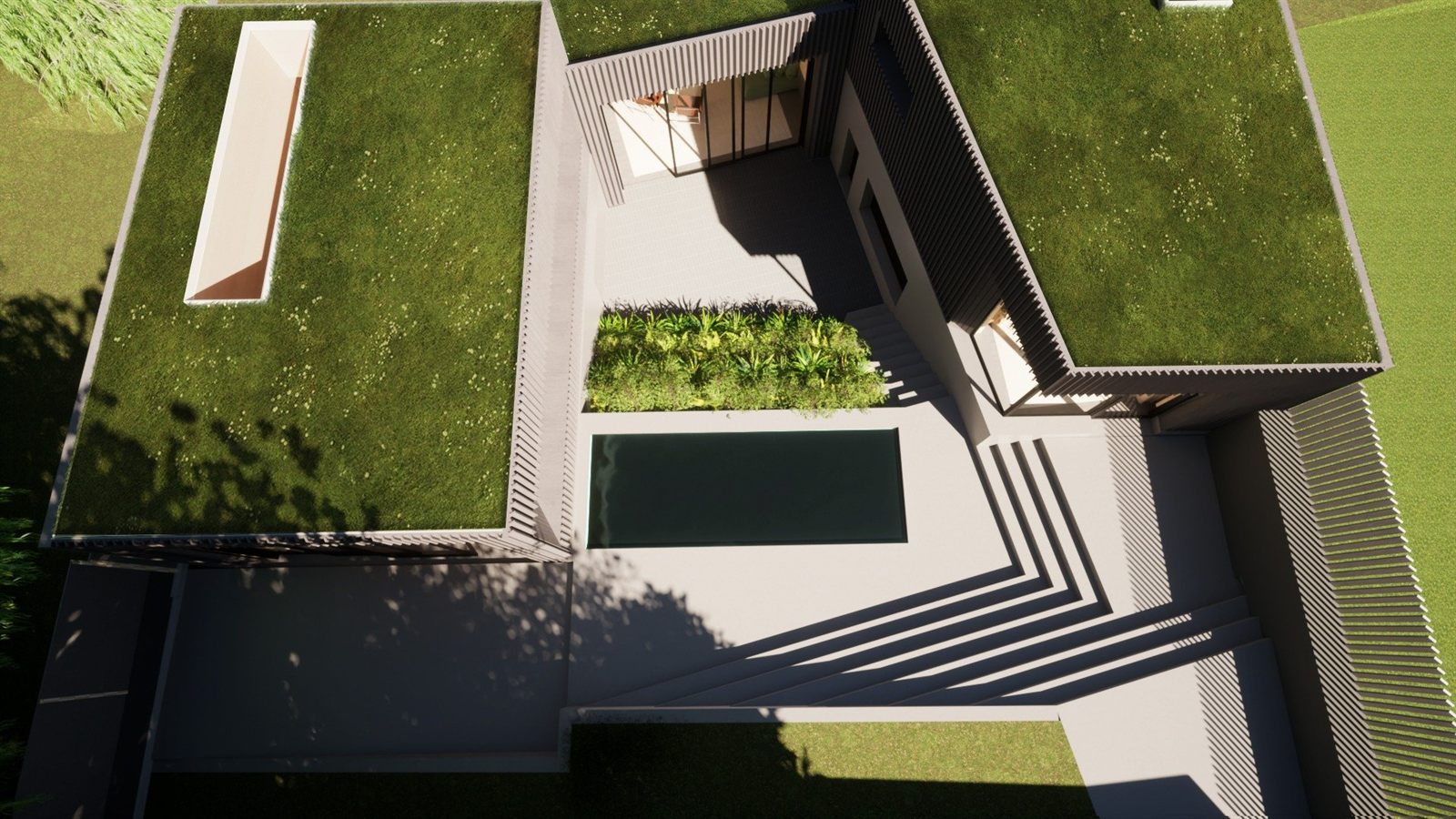
In addition to minimising operational energy use, sustainable construction emphasizes low-carbon construction methods. This includes using materials that have a smaller carbon footprint, such as low-carbon concrete, or employing renewable energy sources during construction. We often design homes that incorporate energy-efficient systems like solar panels, heat pumps, and green roofs, which help reduce energy use over the building’s lifetime.
Water Conservation
Water is a precious resource that must be conserved throughout the construction process and during a building’s operation. Sustainable construction incorporates water-saving technologies such as rainwater harvesting systems, greywater recycling, and low-flow fixtures to reduce water consumption. It also focuses on reducing water waste during construction by adopting practices that minimise runoff and water use on-site.
Waste Reduction and Circular Economy
Construction generates a significant amount of waste, much of which is difficult to recycle and ends up in landfills. Sustainable construction seeks to minimise waste by reusing and recycling materials, both during construction and at the end of a building’s life. The concept of the circular economy is central to this approach, where materials are kept in use for as long as possible and then recovered or repurposed at the end of their useful life.
Health and Well-Being of Occupants
Sustainable construction is not solely focused on environmental outcomes; it also prioritises the health and well-being of building occupants. This involves designing buildings that provide access to natural light, fresh air, and non-toxic materials. Biophilic design, which connects occupants with nature, is often incorporated to enhance mental and physical well-being.
Challenges and Opportunities in Sustainable Construction
Despite the clear benefits of sustainable construction, there are challenges to its widespread adoption. One of the most significant barriers is cost. Sustainable materials and technologies can be more expensive upfront than conventional options, making it challenging for some developers and homeowners to justify the investment. However, the long-term savings in energy, water, and maintenance costs often outweigh the initial expense.
Additionally, there is a need for greater awareness and education about the benefits of sustainable construction. Many stakeholders in the construction industry are still unfamiliar with sustainable practices or hesitate to adopt new methods due to perceived risks or lack of knowledge.
The Future of Sustainable Construction
As environmental concerns continue to grow, the future of construction will be defined by sustainability. Governments around the world are implementing stricter regulations on building energy efficiency and carbon emissions, encouraging the industry to adopt more sustainable practices. Additionally, technological advancements in materials science, renewable energy, and construction methods are making it easier and more cost-effective to build sustainably.
At Scenario, we integrate innovative building technologies such as Cross-Laminated Timber (CLT) and Structural Insulated Panels (SIPs) to enhance the sustainability and efficiency of our projects. CLT is a renewable, low-carbon material made from layers of timber, offering exceptional strength and versatility while reducing the environmental impact compared to traditional concrete or steel.
SIPs, consisting of an insulating foam core sandwiched between structural facings, provide excellent thermal performance and airtightness, making them ideal for energy-efficient buildings. By utilising both CLT and SIPs, we create homes that are not only environmentally friendly but also quick to assemble, highly durable, and optimised for long-term energy savings. These materials align with our commitment to sustainable construction, minimising waste and maximising energy efficiency throughout the building lifecycle.
We believe that sustainable construction is not just a choice—it is a responsibility. Every building we design is an opportunity to contribute to a more sustainable future, whether through energy-efficient systems, eco-friendly materials, or innovative waste reduction strategies. By embracing sustainable construction, we can help mitigate the environmental impact of the built environment while creating healthier, more resilient spaces for people to live and thrive.
Sustainable construction is a powerful response to the environmental challenges facing the world today. By focusing on resource efficiency, energy conservation, waste reduction, and occupant health, it seeks to reduce the negative impact of buildings on the planet while improving quality of life for occupants. Although there are challenges to its adoption, the long-term
By designing and constructing buildings with sustainability in mind, we can help create a better, more sustainable future for all. Sustainable construction is not just about minimising harm—it is about building a future where the built environment and the natural world can coexist in harmony.
Renewable energy integration
A critical component of sustainable architecture is the integration of renewable energy sources. Solar panels, wind turbines, and geothermal systems are becoming increasingly common in modern buildings. By generating their own energy, these buildings can reduce or eliminate reliance on fossil fuels, contributing to a significant reduction in carbon emissions.
At Scenario Architecture, we are committed to designing homes that are as energy-independent as possible. In many of our projects, solar photovoltaic (PV) panels are installed on rooftops to capture sunlight and convert it into electricity. Some homes also feature ground-source heat pumps, which use the earth’s natural temperature to provide heating in the winter and cooling in the summer.
Designing for longevity and adaptability
A sustainable building is one that stands the test of time. Modern architecture emphasises durability and adaptability, ensuring that buildings can be easily updated or repurposed as needs change. Flexible design reduces the need for future demolition and reconstruction, which are both resource-intensive processes.
Scenario Architecture approaches every project with the goal of creating homes that can evolve with their occupants. This might involve designing flexible floor plans that allow for easy reconfiguration, or using materials that are durable and low-maintenance. By designing for longevity, we contribute to a reduction in the demand for new construction materials and the energy associated with building new structures.
Healthy indoor environments
Sustainability in architecture is not solely about reducing environmental impact; it is also about enhancing the well-being of occupants. Sustainable design prioritises indoor air quality, natural light, and non-toxic materials, creating healthier living environments.
Many modern buildings now incorporate biophilic design elements, which bring nature into the built environment. Green roofs, indoor plants, and large windows that provide ample natural light are just some of the ways architects are fostering a connection between people and nature.
A study by the World Green Building Council supports this approach, showing that: “Buildings designed with occupant health and well-being in mind, particularly those that prioritize natural ventilation and lighting, have been shown to increase productivity, reduce absenteeism, and enhance overall satisfaction.” (World Green Building Council, 2018).
Modern sustainable architecture is about more than just reducing energy use; it is about creating spaces that harmonise with the environment while providing long-term benefits for occupants. From passive design strategies to renewable energy integration and water conservation, today’s architects are using every tool at their disposal to minimise the ecological footprint of buildings.
At Scenario Architecture, sustainability is not an afterthought—it is a guiding principle. Every decision, from material selection to energy systems, is made with the goal of reducing environmental impact while enhancing the quality of life for our clients. Sustainable architecture is the future, and by embracing it, we are building not only for the present but for generations to come