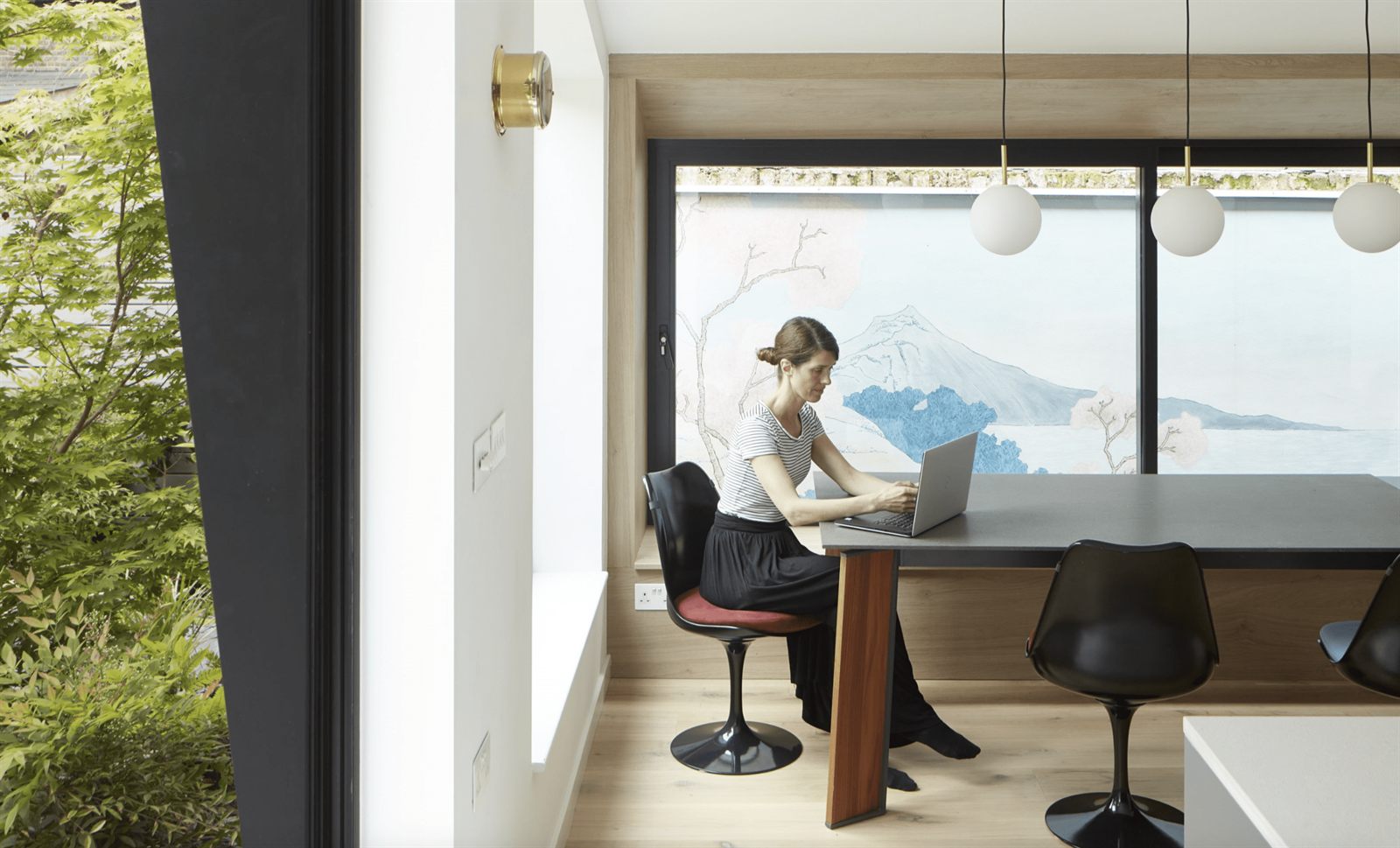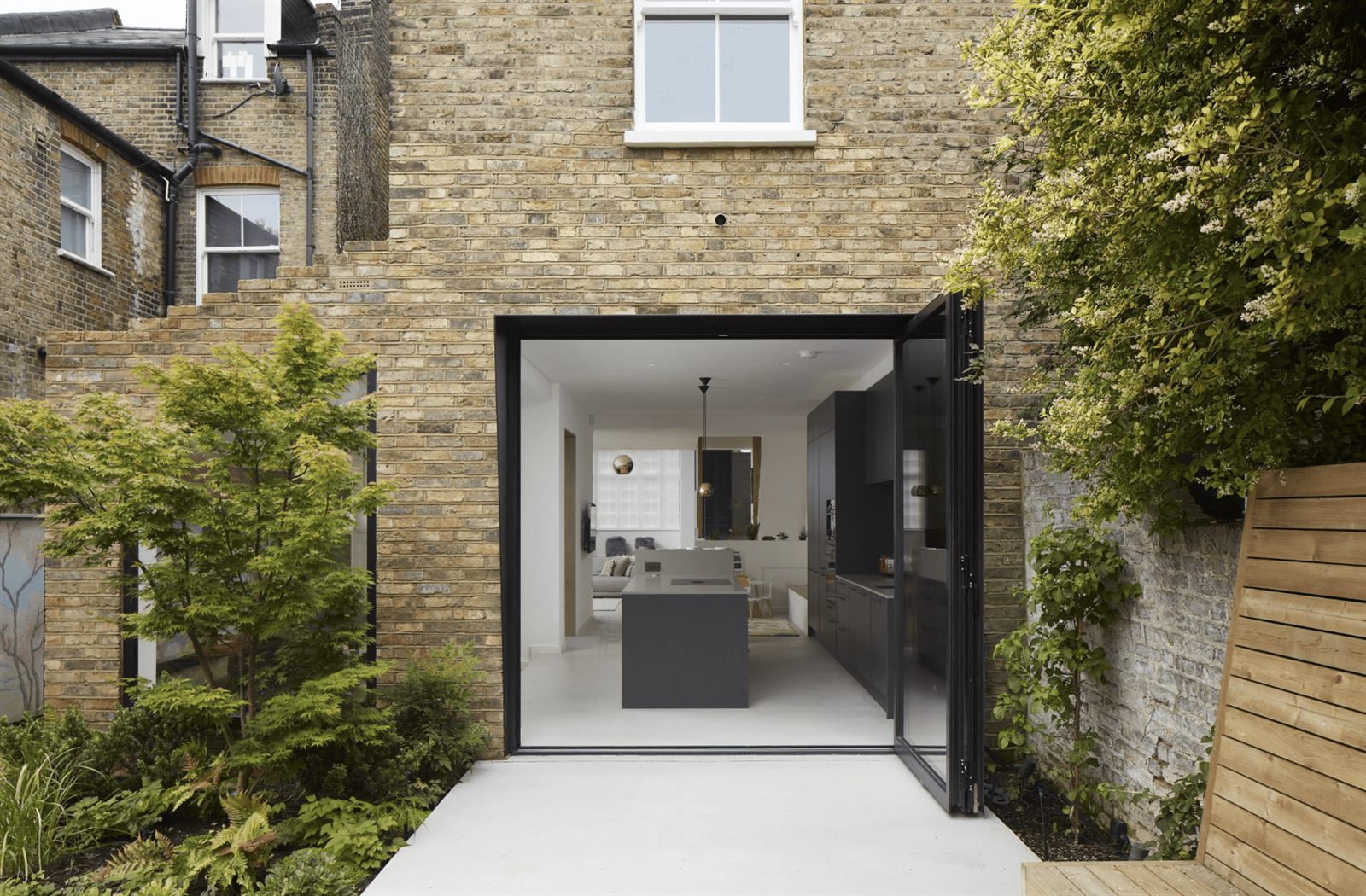
If you care about design, then working with a London architect will be one of the most rewarding parts of creating your home. You're not just after more square footage or a functional layout, you want something that feels right and to work with a professional who’s in your corner and just as invested in your vision.
At Scenario Architecture, we've worked with homeowners across London and the Home Counties who approach their homes this way. Here's what we've learned across the design process making that partnership work and how to really achieve your dream home.
Begin with Feeling, Not Just Function
Most briefs start with a practical list: bigger kitchen, more storage, an en-suite, a home office. These matter, but they're not the foundation.
The real starting point is atmosphere and lifestyle. How do you want your home to feel and what are the movements throughout your home on a daily basis?
Picture the specific moments: morning light across a breakfast table, a quiet corner where you can read with a view of the garden, the drama of high ceilings and exposed structure, or the calm of a sequence of minimal rooms.
When you can describe the feeling first, the architecture follows naturally. The practical features become part of a coherent idea rather than a collection of additions.
Bring Your References, But Stay Open
We love when clients arrive with Pinterest boards, dog-eared magazines, Instagram saves, or examples from a favourite architect or hotel. These references tell us so much, not just about style, but about what resonates with you in terms of light, texture, scale, and mood.
That said, the best projects often include something unexpected. A view you hadn't considered. A subtle change in level that transforms how a room feels. The way a staircase turns.
Our goal isn't to reproduce an image you've seen elsewhere, it’s to create something that's uniquely yours and responds to your home's specific context.
Bring Your References, But Stay Open
We love when clients arrive with Pinterest boards, dog-eared magazines, Instagram saves, or examples from a favourite architect or hotel. These references tell us so much, not just about style, but about what resonates with you in terms of light, texture, scale, and mood.
That said, the best projects often include something unexpected. A view you hadn't considered. A subtle change in level that transforms how a room feels. The way a staircase turns.
Our goal isn't to reproduce an image you've seen elsewhere, it’s to create something that's uniquely yours and responds to your home's specific context.
Trust That Decisions Have Their Time
Good design unfolds in sequence. Each decision builds on the one before.
Space planning comes before finishes. Understanding light comes before choosing colours. Structure and openings are resolved before detailed joinery.
Trying to select bathroom tiles during early concept design is like choosing jewellery before you know what the dress looks like. If you trust the process, decisions become manageable because each one arrives at exactly the right moment.
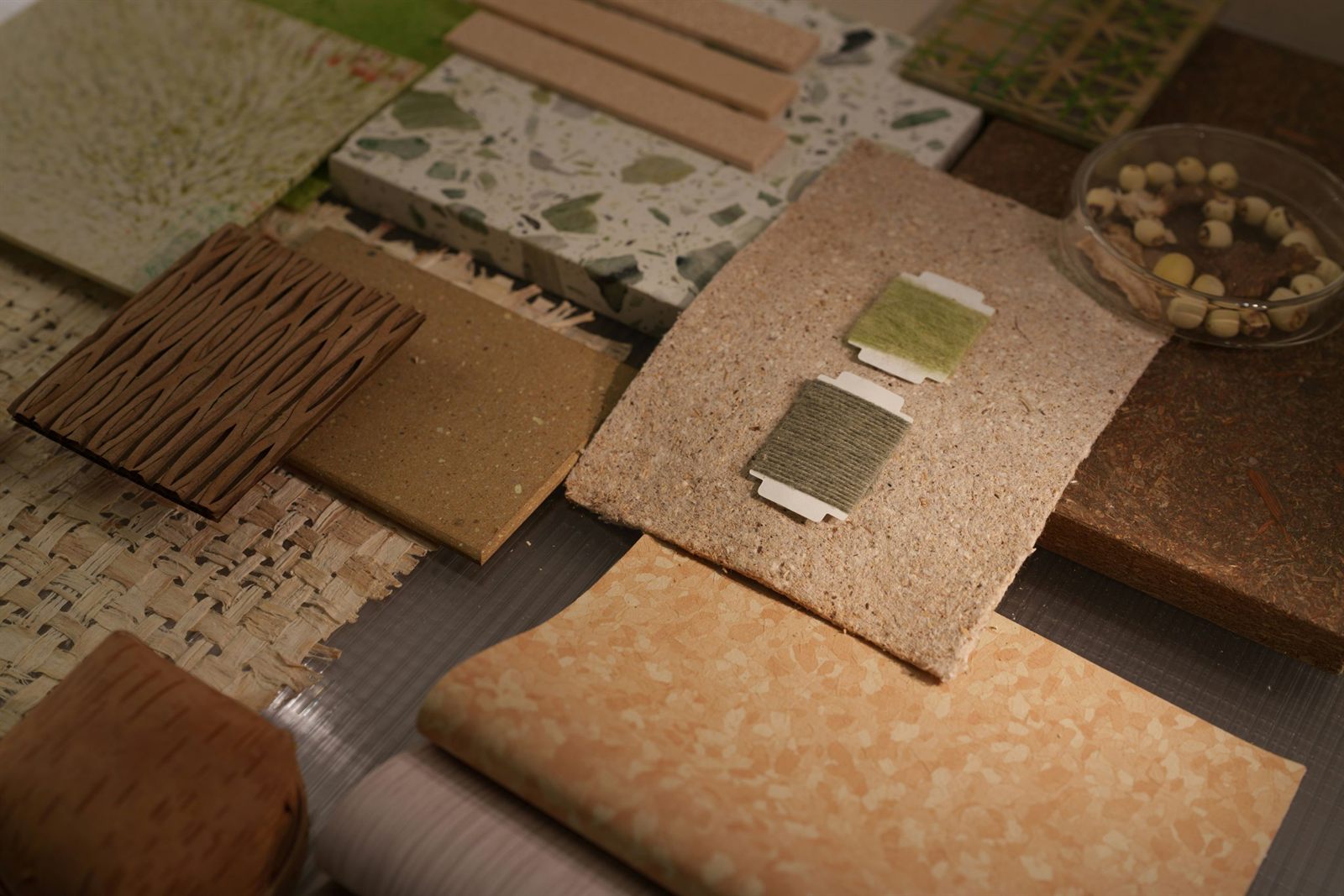
Choose Fewer Materials, Better Quality
We've noticed that the most beautiful homes often use a remarkably small palette of materials. The key is that those materials are high quality, used consistently, and detailed with care.
Think of a single type of stone running through floors and thresholds. Timber that appears in joinery, stairs, and built-in furniture. Lime plaster that adds softness and depth to walls.
This restraint creates calm. It makes the architecture feel confident and timeless rather than busy or trend-driven.
Get the Budget Right from the Start
Design-led projects don't spiral because of creativity, they spiral when scope and budget were never properly aligned.
The formula that works: a clear brief, a realistic budget sense-checked against what you're trying to achieve, and a proper contingency (typically 10-25% depending on whether you're working with a heritage building).
When these three things are in place, creativity has room to breathe. If the budget shifts, adjust the scope, not the quality. A smaller project done beautifully will always feel better than a larger one that's compromised.
Design for Light, Not Just Views
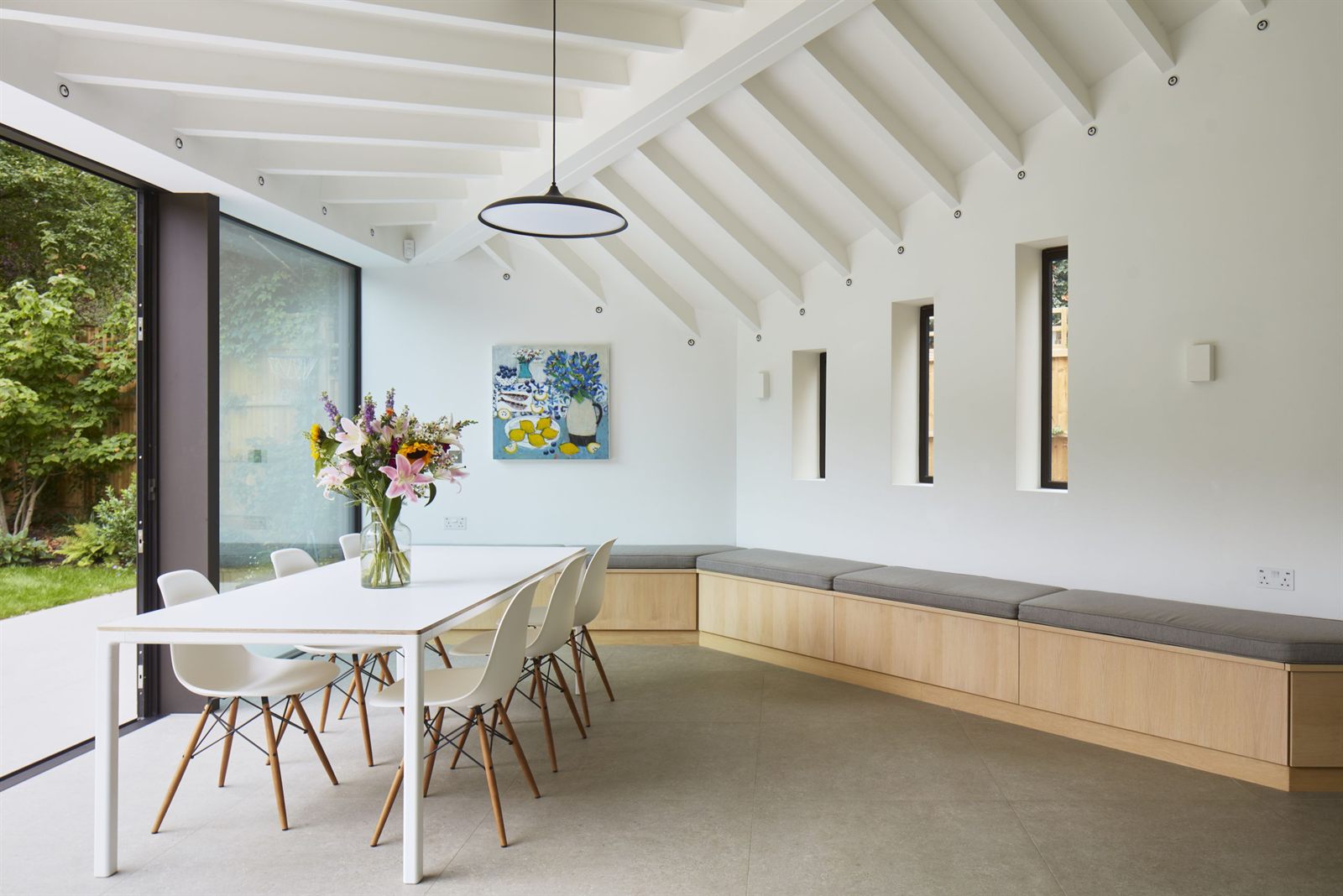
Light is one of the most powerful architectural materials we work with. It defines mood and makes spaces feel alive.
The best homes consider how light moves through the day: bright morning light in the kitchen, soft afternoon light in living areas, warm evening light for privacy and atmosphere. We think about skylights for north-facing rooms and how to manage shading without losing brightness.
We often tell clients that the light on the wall is more important than the view through the window. When you get the light right, the architecture becomes quietly extraordinary.
Get the Budget Right from the Start
Design-led projects don't spiral because of creativity, they spiral when scope and budget were never properly aligned.
The formula that works: a clear brief, a realistic budget sense-checked against what you're trying to achieve, and a proper contingency (typically 10-25% depending on whether you're working with a heritage building).
When these three things are in place, creativity has room to breathe. If the budget shifts, adjust the scope, not the quality. A smaller project done beautifully will always feel better than a larger one that's compromised.
Match the Procurement Style to Your Personality
Some clients love being involved: seeing options, understanding materials, discussing details as they emerge. For them, construction management often works well. Packages are tendered transparently, savings can be shared, and there's space for bespoke joinery, metalwork, and lighting.
Others prefer a more hands-off approach. A fixed-price contract can work beautifully for design-led projects while requiring less day-to-day decision-making.
Neither approach is better, it’s about what suits your personality and how you want to experience the process.
Here’s a guide to different procurement methods so you can decide which works best for you.
Value Craft, Detail, and Enjoy the Process
Architecture isn't just what appears on a drawing. It's the mitre at a corner, the shadow gap at the ceiling, the thickness of a reveal, how your hand feels on the banister.
These details require coordination, patience, and often specialist trades. But they're what you notice every day in small, satisfying ways. When the builder, joiner, metalworker, and architect are all working in harmony, you feel it in the quality of the finished home.
Architectural projects are slow. They require decisions, planning approvals, coordination, and care.
For people who care about design, this isn't a burden—it's part of the pleasure. Watching your home take shape on paper, walking through early models, visiting the site as spaces begin to emerge, choosing that perfect stone or finish.
A home is something you'll live with for years. Taking the time to get it right is an investment in your daily life.
It comes down to partnership.
The best projects grow from a genuine partnership between homeowner and architect.
You bring your taste, your values, what matters to you in the rhythm of daily life.
We bring our understanding of space, structure, light, and proportion. Our knowledge of planning and procurement. Our eye for detailing and ability to bring it all together.
When that partnership works, the result is more than an extension or renovation. It's a home that feels deeply, unmistakably yours, beautifully made and exactly right.