As a result of the COVID-19 pandemic, many companies have had to switch to remote working, in order to keep employees safe. Many businesses have had to adapt to a home-working model rapidly, but will remote working become part of the new normal?
In the UK planning system, Paragraph 80 is an important provision in the National Planning Policy Framework
(NPPF) that allows homeowners and developers to construct homes in the countryside, specifically in the Green Belt.
The NPPF is an important document that guides planning decisions across England. It sets out the government's planning policies and principles for development and is used by local authorities to make decisions on planning applications.
The green belt in the UK is often spoken of as one of the nation's greatest achievements in city planning and environmental conservation.
Covering around 13% of England's land area, the green belt consists of vast stretches of open land, forests, and parks located around major cities.
It was originally established in the 1950s to prevent urban sprawl and separate different urban centers from merging with each other.
Since then, it has been crucial in providing a wide range of benefits such as natural habitats for wildlife, open recreational spaces for people, and reducing pollution. In short, it is a vital aspect of England's identity and a testament to the nation's commitment to sustainable living.
Because of this set-up for preservation and adhering to strict regulations, planning permission for residential properties within the Green Belt can be difficult to obtain.
That’s where Paragraph 80 comes in, in essence it permits new dwellings to be erected on agricultural land, as long as they comply with certain criteria. These criteria include:
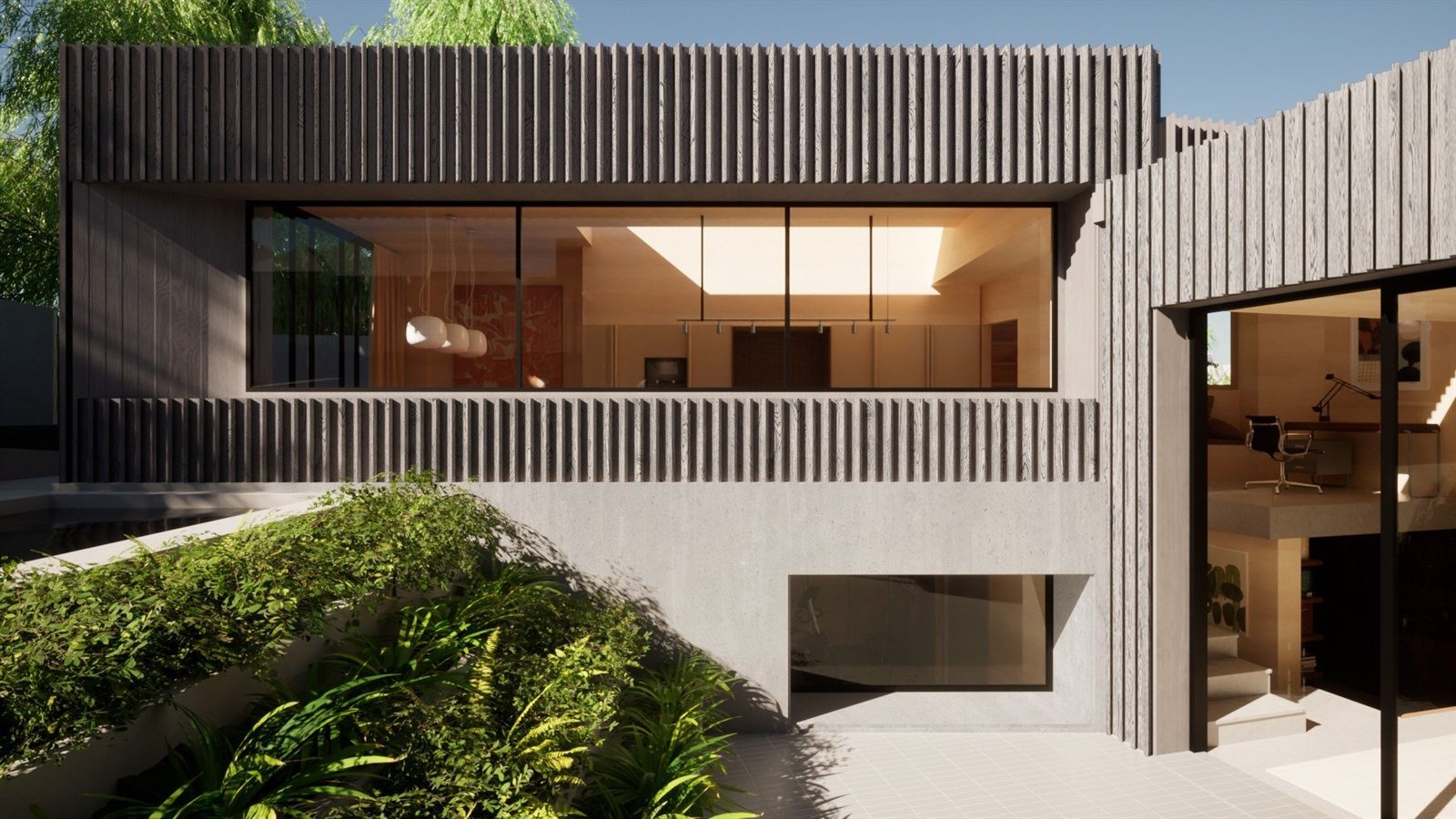
- Demonstrating that the property will be of "outstanding or innovative architecture,"
- That it will be in keeping with the local rural environment
- That it will not have a negative impact on the surrounding landscape
large_first
As such, it has become a controversial aspect of the NPPF, with some seeing it as a chance to develop beautiful homes that sympathetically sit within a rural landscape, whilst others are concerned about the impact on the surrounding environment. Regardless of your stance on the matter, it's clear that Paragraph 80 is a crucial consideration when it comes to rural planning decisions in England.
For those seeking to build in the countryside, it is a useful tool that can help navigate the complex planning process whilst ensuring that the development is sympathetic to the local environment.
Here's what you can generally expect during the process of seeking approval for a Paragraph 80 application: Exceptional Design:
Paragraph 80 often requires that the proposed development exhibit outstanding or innovative design qualities. This means the design should reflect the highest architectural standards, be visually impressive, and demonstrate sustainability. Special Circumstances:
Besides outstanding design, the proposed development must meet specific criteria to qualify as an exception to the general rule against isolated homes in the countryside. The application should clearly articulate why the project meets these criteria. Pre-Application Discussions:
Engage with local planning authorities early in the process to discuss your concept. This helps identify potential issues and determine how to address them. These pre-application discussions can shape your proposal, improving its chances of success. Architectural and Environmental Considerations:
Your design should consider the environmental impact, sustainability, and integration with the natural surroundings. High-quality landscaping and the use of sustainable materials and energy sources are essential. Consultations and Supporting Evidence:
The application should include various supporting documents like environmental impact assessments, design and access statements, landscape assessments, and any other documents requested by the local planning authority. It’s also common to engage with local communities and stakeholders for their feedback. Planning Committee Review:
After submitting your application, it will undergo a review process, including public consultation and scrutiny by planning officers. If it meets the requirements, it might go to a planning committee for final approval or rejection. Decision and Conditions:
If approved, the decision may include specific conditions you must meet before and during construction. These could relate to materials, landscaping, environmental measures, etc. Appeals Process:
If your application is rejected, you have the right to appeal. This process can be lengthy and requires additional evidence and arguments to support your case.
Planning for a Paragraph 80 home may seem like a daunting task, but with Scenario, you can ensure that your vision becomes a reality. In order to be granted planning permission for a Paragraph 80 home, there are strict guidelines and requirements that must be met. This is where Scenario comes in - their extensive experience and expertise in designing and planning bespoke homes can help you navigate through the complex process.
From the initial design concept to the final build, the team at Scenario Architecture will work with you every step of the way, ensuring that your Paragraph 80 home is not only compliant with planning regulations, but also tailored to your individual needs and preferences.