Managing construction costs for a high-end residential project can feel overwhelming figuring out where to start or what really needs to be considered, but with the right approach, it doesn’t have to be. At Scenario, we believe that before you do anything and start your project, having clarity, planning, and expert guidance are the foundation of every successful project. Whether you’re planning a full renovation or embarking on a complex new-build, this guide will help you navigate the intricacies of budgeting for high-end residential architecture in London and the Home Counties.
Understanding Realistic Budgeting
A well-managed budget begins with a realistic understanding of what high-end architecture actually costs. Too often, clients start with simple square metre calculations or hopeful assumptions, only to be met with difficult decisions later in the process. Realistic budgeting is about fitting the scope to your budget, not stretching your budget to fit a wishlist.
Cost Ranges for High-End Projects
High-end architecturally designed homes in London and surrounding areas typically fall into these cost ranges:
- Full renovations without structural changes: £2,500–£3,500 per square metre
- Projects involving structural changes: £3,500–£5,000 per square metre
- Basement additions: These can significantly increase both complexity and cost
These figures are a just starting point and not a guarantee. They reflect the elevated level of design, craftsmanship, and materials that define bespoke homes in this region.
Setting a Realistic Budget
Setting a Realistic Budget
One of the most common pitfalls is assuming that a total project budget equates to the full construction spend. In reality, professional fees, VAT, surveys, and other costs can reduce your actual build budget by 20–30%.
For example: A total budget of £500,000 may leave around £360,000 for construction, once taxes and fees are accounted for.
We recommend starting with your total available funds and working backwards — adjusting your project scope accordingly to avoid disappointment and delays.
Time Considerations
Budgeting for construction isn't just about money but it's also about time.
- Full renovations without basements: Typically take 8–12 months
- Design and planning: Can add several months, particularly for listed buildings or properties in conservation areas
- Procurement: Early ordering of key materials is crucial to avoid delays and price hikes
Planning ahead can save both time and money down the line.
Common Causes of Cost Spiralling
Unrealistic Expectations
The most frequent cause of cost overruns? Misaligned expectations. When the initial budget doesn’t reflect the project's true scope or complexity, costs inevitably rise. Last-minute changes or upgrades during construction also add up quickly both in materials and time.
External Factors
Some cost escalations are out of your control:
- Market fluctuations
- Contractor availability
- Rising material costs due to global events (COVID-19, Brexit, the war in Ukraine)
- Inflation
Factoring these elements into your budget is essential for avoiding unwelcome surprises down the line. In our experience, especially with longer projects, market fluctuations will always be there and lead to rising costs over time. That’s why having a solid contingency fund is crucial and just as important is working with professionals who maintain full transparency and monitor your project closely and consistently throughout its progression.
Contingency Planning
Every high-end residential project should include a carefully considered contingency fund, it’s not just a financial safeguard, but a key component of a well-structured budget. For standard projects, we recommend setting aside 10–15% of the total construction cost. This helps absorb any unexpected expenses that may arise during the build, from site conditions to minor design changes. For listed buildings or particularly complex renovations, a more generous contingency of 20–25% is advisable, as these projects often uncover unforeseen issues once work begins.
It’s also vital to account for VAT, especially in cases where it can’t be reclaimed. This can make a significant difference to your bottom line and should be factored in early to avoid budget shortfalls later.
Ultimately, a robust contingency fund can mean the difference between a smooth, well-managed project and one plagued by difficult compromises, delays, and financial strain. It provides flexibility, protects your design intent, and gives you peace of mind as your project evolves.
Choosing the Right Procurement Strategy: Cost, Risk, and Transparency
How you choose to procure your project has a direct impact on cost control, risk management, transparency, and ultimately, your experience throughout the construction phase. There is no one-size-fits-all solution. The right approach depends on your budget, the complexity of your project, and your personal risk tolerance. At Scenario, we take the time to explore these variables with you before recommending a strategy that best suits your goals.
Choosing the Right Procurement Strategy: Cost, Risk, and Transparency
How you choose to procure your project has a direct impact on cost control, risk management, transparency, and ultimately, your experience throughout the construction phase. There is no one-size-fits-all solution. The right approach depends on your budget, the complexity of your project, and your personal risk tolerance. At Scenario, we take the time to explore these variables with you before recommending a strategy that best suits your goals.
Traditional Procurement
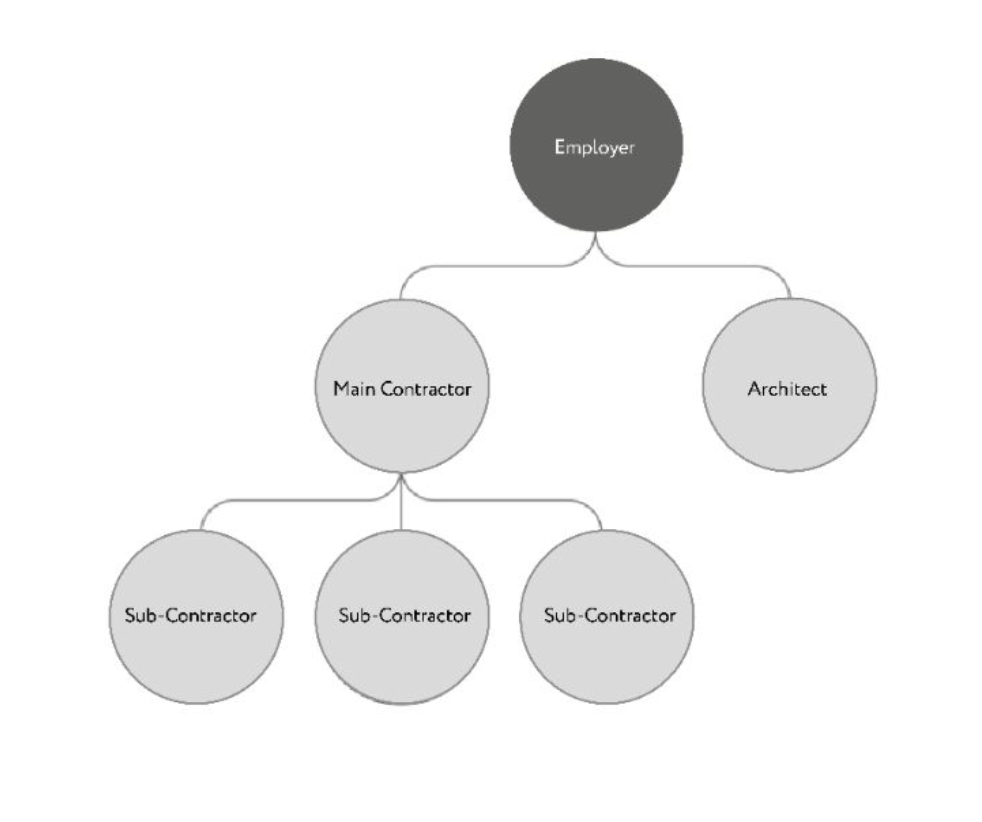
Traditional procurement follows a more linear approach. The design is fully developed and detailed before being tendered to contractors, who provide a single fixed-price quote for the entire build. Once agreed, this contract price remains fixed — unless changes are made.
Advantages
-
Cost Certainty: With a fixed-price contract in place, you have a clear idea of overall construction costs from the outset.
-
Lower Perceived Risk: This model appeals to clients who prefer clear, upfront commitments and minimal involvement during construction.
Disadvantages
-
Reduced Flexibility: Once the contract is signed, making changes can be costly and time-consuming.
-
Limited Contractor Choice: The pool of contractors willing to price fixed-scope high-end projects is smaller, which may limit your options in terms of quality and approach.
Best For
Clients who are risk-averse, prefer a straightforward process, and value cost certainty over flexibility or hands-on involvement.
Our construction management approach is designed to offer greater transparency, flexibility, and potential cost savings — while aligning with the individual needs and personalities of our clients.
Unlike traditional fixed-price contracts, where any savings are absorbed by the contractor, our model uses a JC contract structure with realistic base prices as a starting point. From there, each package is competitively tendered, giving clients visibility and control at every stage. A key feature of our approach is a bit of an incentive structure: any savings secured below the base prices are shared between the client and Scenario.
This motivates us to fight for you on the best possible value on every element of the project. That said, construction management isn’t the right fit for everyone. We take care to assess whether a client is comfortable with a more fluid budgeting process — it’s a great match for those who value transparency and control, but less suited to those who prioritise absolute cost certainty above all else.
Construction Management
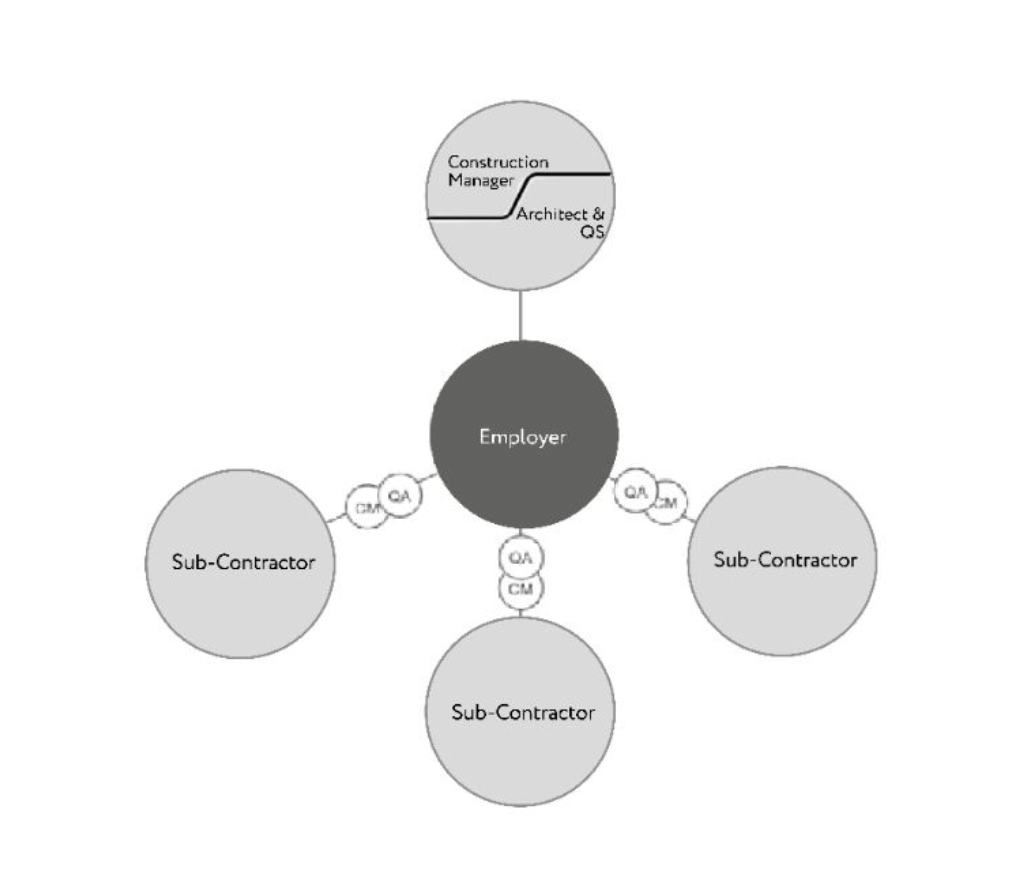
Construction management offers a more collaborative and dynamic procurement route. Rather than locking into a fixed price, the project is divided into packages — each competitively tendered as the work progresses. A Construction Manager (often the architect) oversees this process, coordinating trades and managing costs in real-time.
Advantages
-
Transparency: Every package is openly priced, giving you visibility into where your money is going.
-
Control: You have a say in contractor selection and can make informed decisions at each stage.
-
Competitive Tendering: Each trade package is priced individually, often leading to better value.
-
Potential Savings: When managed well, this approach can deliver significant savings, especially for large or complex builds.
Disadvantages
-
Less Cost Certainty Upfront: Because not all packages are priced at the start, the final cost can shift during the process.
-
Greater Client Involvement: This approach suits clients who are engaged and comfortable with making ongoing decisions.
Best For
Projects with a high budget, or clients who are comfortable with a hands-on approach, and who value transparency and the potential for cost optimisation.
Scenario's Version of Construction Managament
Our construction management approach is designed to offer greater transparency, flexibility, and potential cost savings — while aligning with the individual needs and personalities of our clients.
Unlike traditional fixed-price contracts, where any savings are absorbed by the contractor, our model uses a JC contract structure with realistic base prices as a starting point. From there, each package is competitively tendered, giving clients visibility and control at every stage. A key feature of our approach is a bit of an incentive structure: any savings secured below the base prices are shared between the client and Scenario.
This motivates us to fight for you on the best possible value on every element of the project. That said, construction management isn’t the right fit for everyone. We take care to assess whether a client is comfortable with a more fluid budgeting process — it’s a great match for those who value transparency and control, but less suited to those who prioritise absolute cost certainty above all else.
Final Thoughts
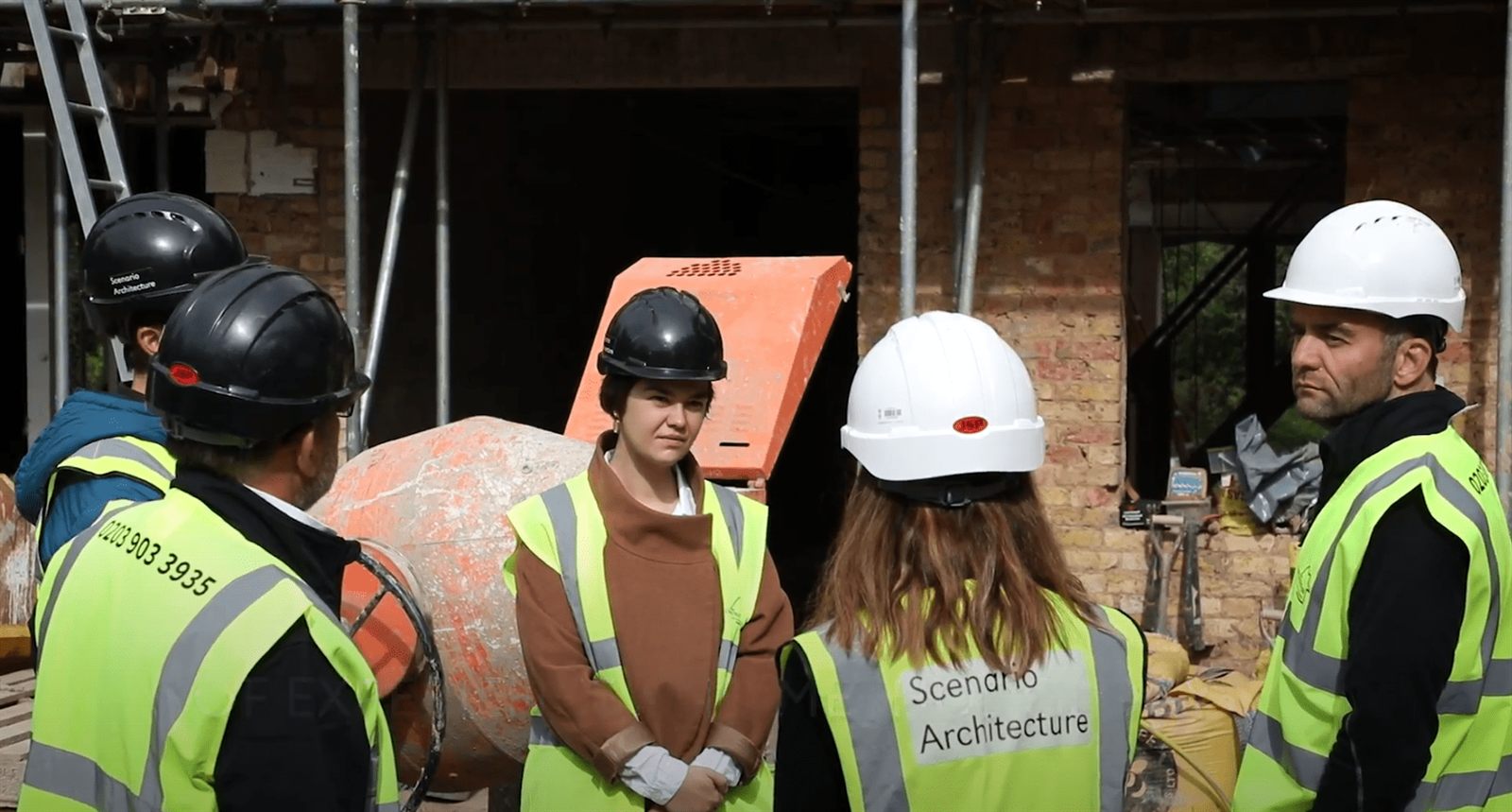
Professional Support: Building the Right Team
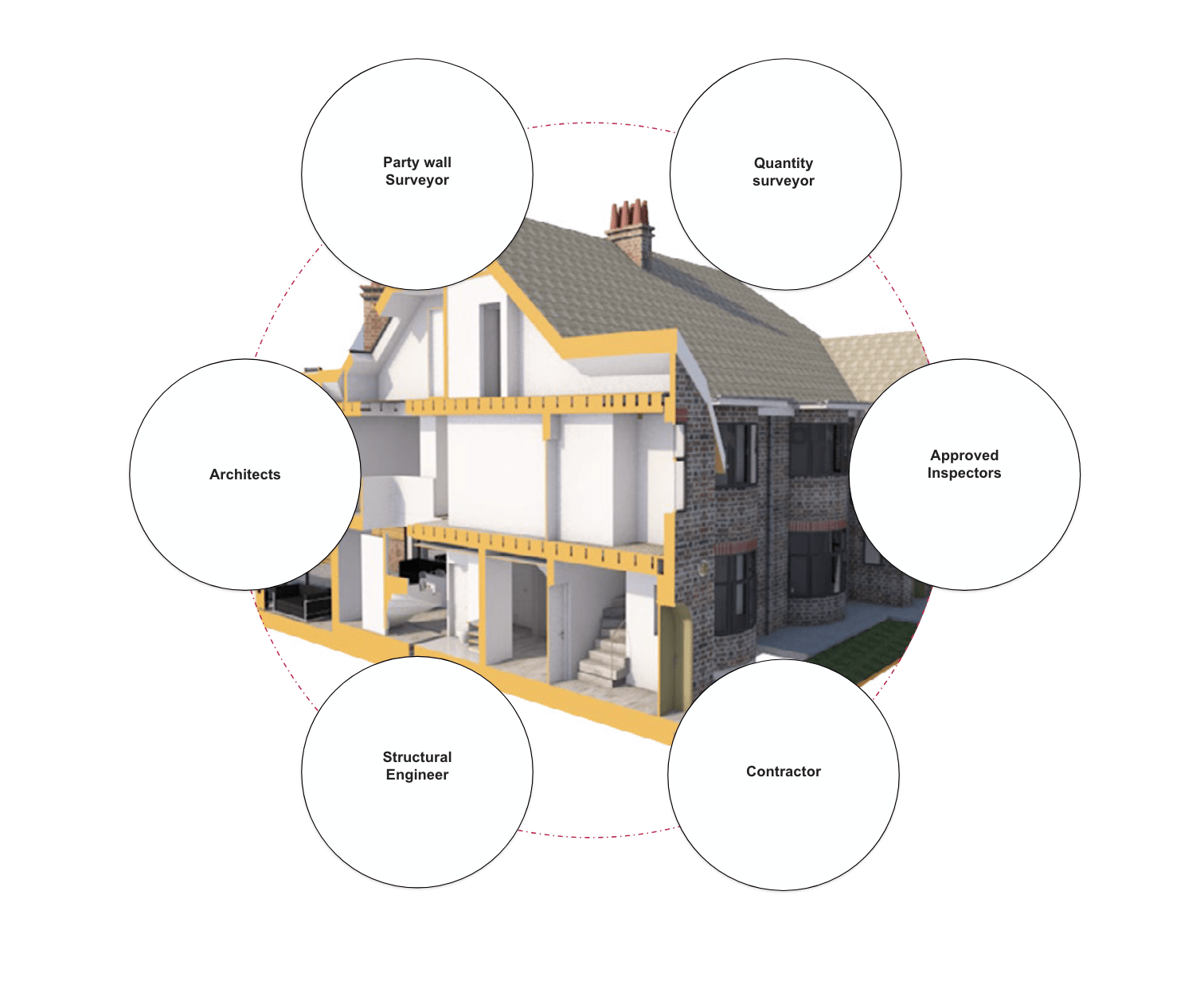
Managing construction costs in high-end residential architecture goes far beyond tracking numbers, it requires a well-rounded team of professionals who each bring specialist expertise to support your project. The right team ensures your budget works hard without compromising on design, quality, or functionality.
Architects: Strategic Design & Cost Awareness
While architects are best known for bringing creative visions to life, their role in cost management is often underestimated, particularly within a construction management framework. Rather than working in isolation, architects in this model stay actively involved during procurement and construction, helping assess tender returns, evaluate alternatives, and identify opportunities for value engineering.
Quantity Surveyors (QS): Cost Planning & Risk Mitigation
A Quantity Surveyor is a key figure in ensuring financial control throughout your project. Their responsibilities typically include:
-
Preparing initial cost estimates and feasibility studies
-
Monitoring budgets and issuing cost reports during construction
-
Advising on procurement routes and contractual arrangements
-
Managing risk by forecasting potential cost overruns
For high-end or complex residential projects, the input of a QS is invaluable. Their ability to analyse and manage the financial implications of every decision helps prevent surprises — and ensures that your investment is protected at every stage.
Interior Designers: Efficiency & Added Value
An interior designer isn’t just someone who chooses finishes at the end of a project. When involved early, they can contribute meaningfully to both design coherence and cost management.
Benefits of early involvement include:
-
Improved Efficiency: Decisions on layouts, finishes, and furnishings are made in parallel with architectural planning, reducing design clashes and costly redesigns later.
-
Fewer Late-Stage Changes: When interiors are considered from the start, you're less likely to face costly last-minute adjustments.
-
Trade Discounts: Experienced designers often have access to exclusive trade pricing and supplier relationships, which can stretch your budget further.
Design fees may be structured as a percentage of project cost, hourly rate, or fixed fee, depending on the scope and designer. Understanding these structures from the beginning allows you to budget accurately and make informed choices about how and when to bring an interior designer on board.
Mitigating Construction Costs
While construction costs can be influenced by many external factors, there are several proactive strategies that can help keep your project within budget without compromising on quality or vision. By combining transparent communication, intelligent design decisions, and strategic procurement, you can manage costs effectively and create a home that delivers long-term value.
Transparency and Communication: Building Trust from Day One
Open and honest communication about your budget should start at the very first conversation — and continue throughout the life of your project. Your architect and wider project team should fully understand your financial parameters and work collaboratively to align the design and scope accordingly.
-
Initial Budget Clarity: Be upfront about your total available budget (including professional fees and VAT). This helps your team create a realistic scope from the outset.
-
Ongoing Reviews: Regular cost reviews and check-ins with your architect and quantity surveyor are essential. This ensures any design changes or emerging costs are identified early — not when it's too late to make adjustments.
-
Formal Agreements: Always document and sign off on changes that impact the budget. Even small additions can add up, and clarity prevents misunderstandings later.
Value Engineering: Smarter Choices, Same Vision
Value engineering is often misunderstood as “cutting costs.” In reality, it’s about making informed, strategic decisions to ensure your money is being spent where it matters most. It’s a collaborative process between the design and cost teams that can help optimise your budget without sacrificing quality or intent.
Examples include:
-
Material Alternatives: Switching from bespoke finishes to high-quality off-the-shelf products that offer similar visual appeal.
-
Simplifying Construction: Streamlining architectural details that are labour-intensive or structurally complex.
-
Prioritising Key Features: Focusing spend on elements that have the biggest impact — such as layout, natural light, or spatial flow — while being more modest elsewhere.
-
Competitive Tendering: A Strategic Approach to Procurement
No matter how experienced or trusted a contractor is, competitive tendering is one of the most effective tools for managing construction costs. This process involves obtaining multiple quotes for each trade package, giving you a clearer understanding of market rates and helping to ensure you're getting the best value.
Key considerations:
-
Tender Multiple Trades: Even under a construction management model, where the project is broken into packages, each element (e.g. joinery, electrical, tiling) should be tendered independently.
-
Go Beyond the Bottom Line: The cheapest quote isn’t always the best. Carefully review what each contractor includes in their scope — and what’s missing. A lower upfront cost might conceal exclusions that result in costly variations later.
-
Assess Experience and Fit: Consider the contractor’s experience with high-end residential projects and their ability to meet both quality and programme expectations.
-