As a result of the COVID-19 pandemic, many companies have had to switch to remote working, in order to keep employees safe. Many businesses have had to adapt to a home-working model rapidly, but will remote working become part of the new normal?
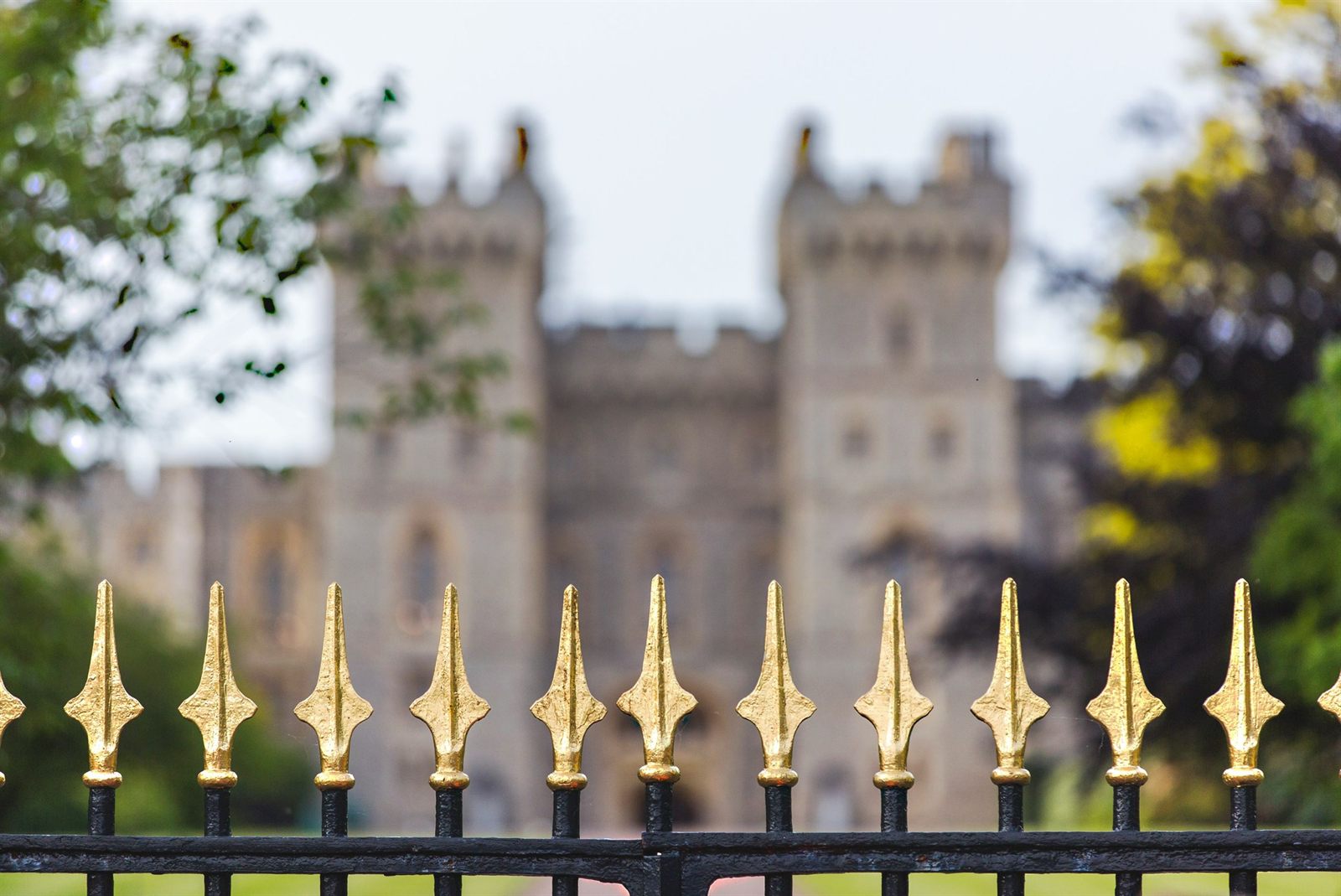
The decision to renovate or rebuild in Berkshire requires careful consideration of the area's unique character, local regulations, and property market dynamics. From the historic streets of Windsor to the modern developments in Reading, we understand as architects in Berkshire that each location presents its own set of opportunities and challenges.
large_first
Berkshire's Architectural Landscape
Berkshire's architectural heritage spans centuries, encompassing everything from Tudor cottages in Sonning to contemporary riverside homes in Maidenhead. This diversity influences both renovation and rebuilding decisions. In conservation areas like Cookham and Bray, renovation often proves more appropriate, while areas experiencing regeneration, such as parts of Reading and Bracknell, might better suit complete rebuilds.
Understanding Local Planning Framework
The planning landscape across Berkshire varies significantly between districts. Windsor and Maidenhead handle applications differently from West Berkshire or Reading Borough Council. Properties within conservation areas, particularly in historic towns like Hungerford or Eton, face stricter planning controls. Understanding these local nuances is essential before committing to either renovation or rebuilding.
Timeline Realities in Berkshire
Project durations in Berkshire reflect both local authority processes and property types. Cosmetic renovations to a Twyford semi-detached house typically take 3-4 weeks, while complete renovations of period properties in Pangbourne might extend to 12-18 months. Rebuilds generally require 12-24 months, depending on location and complexity.
Material Considerations
Berkshire's architectural character demands thoughtful material selection. Period properties in areas like Lambourn often require specific materials to maintain authenticity, while contemporary builds in Earley or Woodley allow for more modern options. Local suppliers specialise in materials that complement Berkshire's varied architectural styles.
Thames Valley Weather Impact
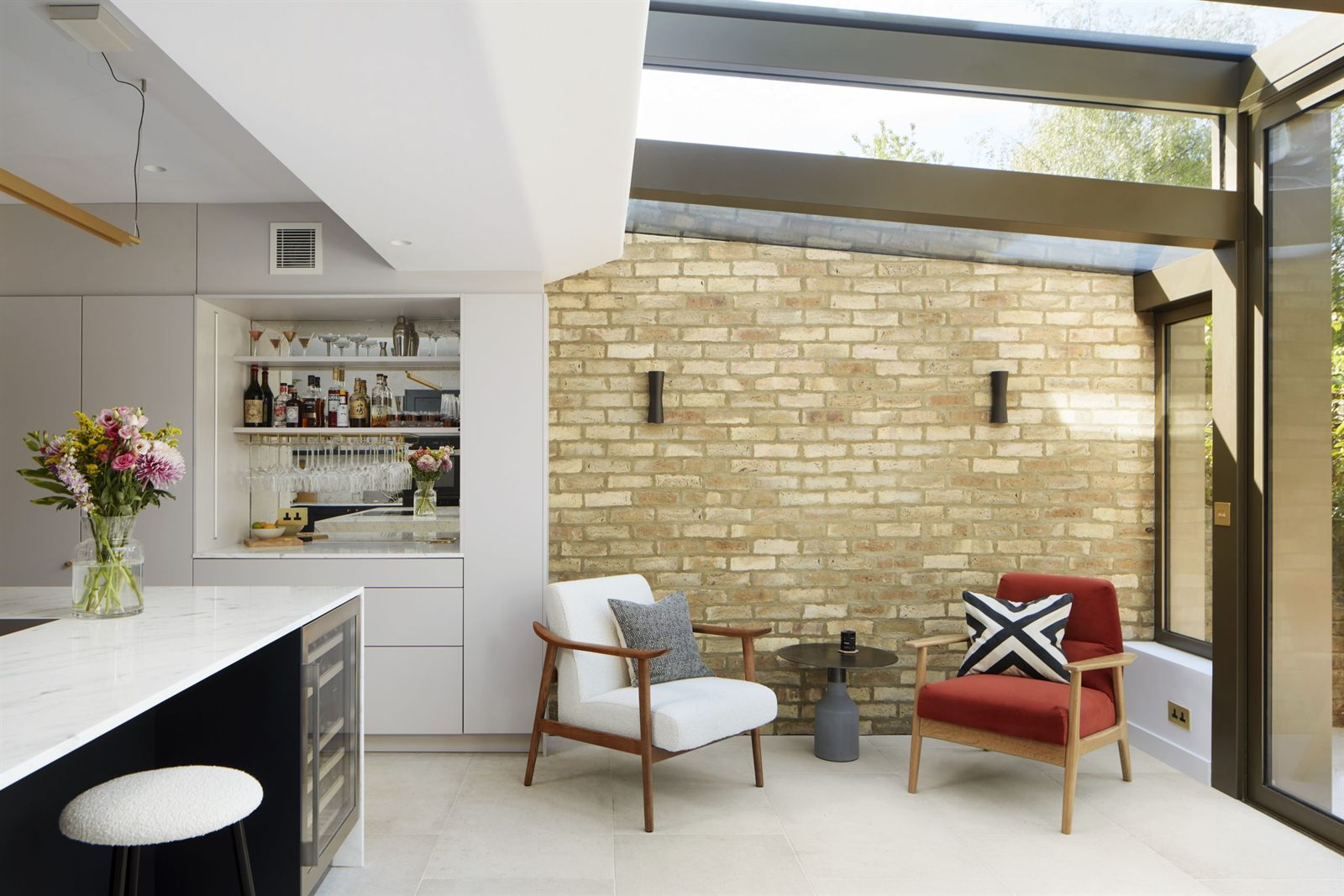
The Thames Valley's microclimate significantly influences construction schedules. Areas along the Thames and Kennet rivers require particular attention to flood resistance and drainage. Spring and summer typically offer optimal building conditions, though well-planned projects can progress year-round with appropriate weather mitigation strategies.
Sustainable Development in Berkshire Rural Properties
Larger properties in areas like Sunningdale and Virginia Water benefit from extensive grounds that can accommodate ground source heat pumps and other sustainable technologies. These rural settings often allow for more comprehensive eco-friendly solutions, including rainwater harvesting systems and natural drainage solutions.
In urban centres like Reading and Slough, sustainable development focuses on maximising limited space. Innovations include integrated solar solutions, advanced insulation systems, and smart home technology that optimises energy usage. These areas often lead the way in implementing new sustainable building practices.
Historic districts present unique sustainability challenges. Properties in Cookham and Sonning demonstrate how modern environmental technologies can be sensitively integrated into traditional buildings. Solutions include hidden solar installations and specially designed insulation systems that preserve historic features while improving energy efficiency.
Property values across Berkshire vary significantly by location. In premium areas like Ascot and Windsor, high-end renovations or rebuilds can deliver substantial returns. Meanwhile, emerging areas like Bracknell show strong potential for value growth through property development, particularly with ongoing regeneration projects.
Major infrastructure projects continue to influence property development decisions across Berkshire. The Elizabeth Line's western extension and Reading's ongoing development as a tech hub create new opportunities for both renovation and rebuilding projects. These improvements often tip the balance in favour of more substantial property investments.
Heritage Protection and Modern Integration
Berkshire's architectural heritage presents unique challenges when modernising properties. In areas like Windsor's conservation zone or Eton's historic centre, any development must carefully balance preservation with modern living requirements. The Royal Borough's heritage officers often provide specific guidelines for properties in protected areas, influencing decisions between renovation and rebuilding.
For instance, properties along Eton High Street must maintain their historic façades while allowing for internal modernisation, whereas homes in newer developments like Bracknell's Jennett's Park offer more flexibility for complete rebuilds. Listed buildings, particularly prevalent in towns like Wokingham and Hungerford, require specialised approaches that almost always favour renovation over rebuilding, though innovative solutions can still achieve modern living standards within these constraints.
School Catchment and Property Development Decisions
The presence of Berkshire's prestigious schools significantly influences property development decisions. Areas within the catchment of outstanding schools like Kendrick in Reading or Upton Court Grammar in Slough often see homeowners choosing to renovate existing properties rather than rebuild, ensuring they maintain their address within these sought-after zones.
In Windsor and Maidenhead, proximity to schools like Windsor Boys and Windsor Girls drives particular renovation trends, with many homeowners expanding upwards or outwards rather than rebuilding to preserve their position in the catchment area. This educational consideration has created distinct patterns in property development, particularly evident in areas like Ascot (near St George's School) and Newbury (around St Bartholomew's School), where property improvements focus on maximising space while maintaining existing postal codes.
Future-Proofing Considerations
When choosing between renovation and rebuilding in Berkshire, consider future area developments. Towns like Maidenhead and Reading are undergoing significant transformation, which might influence the suitability of extensive renovation versus rebuilding. Environmental regulations are also evolving, potentially affecting future property requirements.
Making an Informed Decision
The choice between renovation and rebuilding in Berkshire ultimately depends on several key factors:
- Property location and heritage status
- Local planning policies and conservation requirements
- Specific site conditions and constraints
- Long-term property goals
- Budget considerations
- Environmental impact
Whether renovating a Victorian terrace in Reading or rebuilding a property in Ascot, success lies in understanding local conditions and requirements. Berkshire's property landscape continues to evolve, with sustainable development and heritage preservation playing increasingly important roles in both renovation and rebuilding projects.
For homeowners contemplating this decision, thorough research into local planning requirements, conservation guidelines, and area-specific building regulations will prove invaluable. The right choice will enhance both individual property value and contribute positively to Berkshire's rich architectural tapestry.