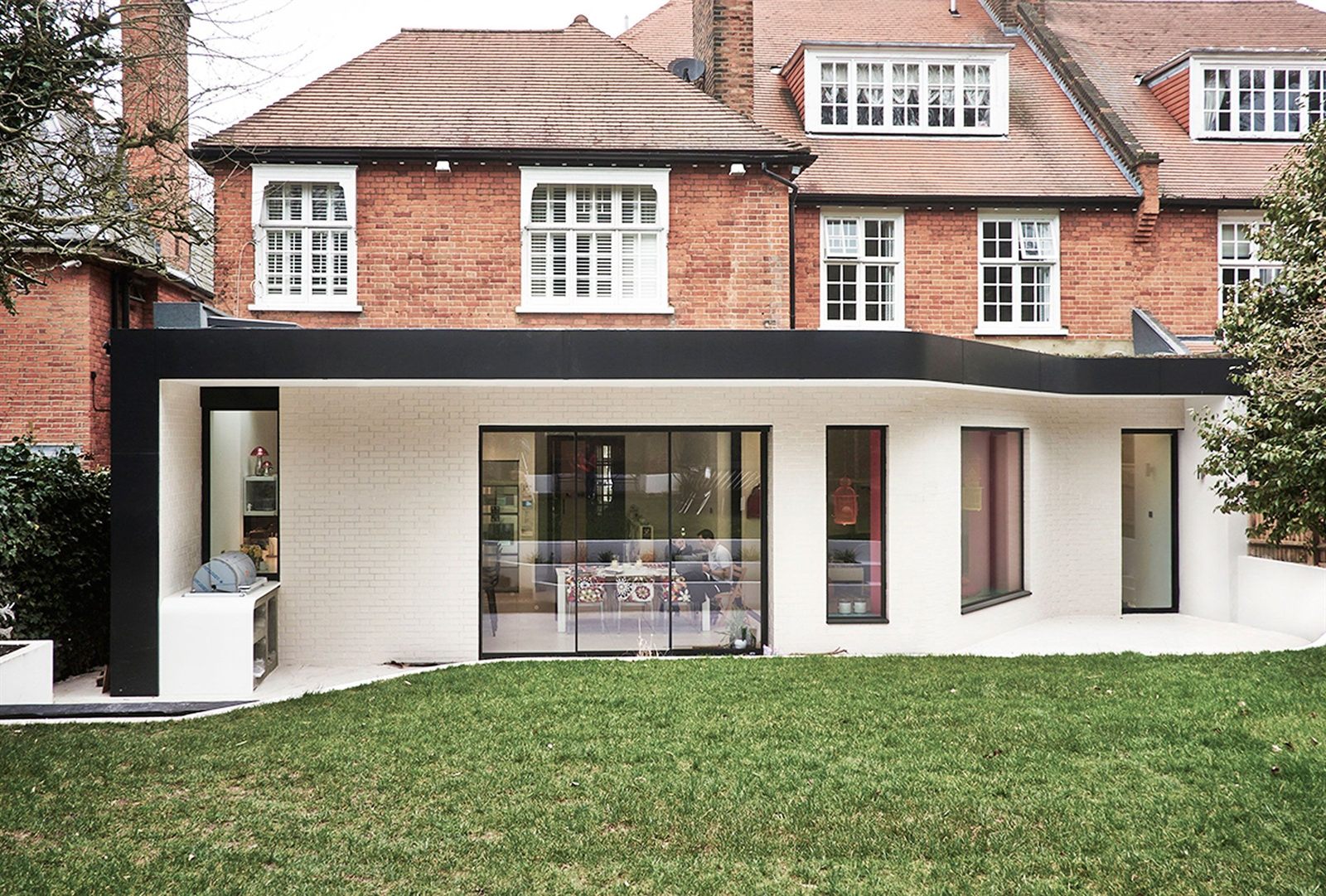
If you’re planning on extending your property, then you may have come to the conclusion that you’re going to need planning consent. However, not all development requires you to have planning permission, you may be able to carry out your extension under national permitted development rights. This means you may be able to extend your home without any planning approval, and no need to rely on the local authority to grant planning permission.
What is Permitted Development?
Permitted Development rights are national rules that allow certain types of extensions provided they meet strict size and design limits.
If your extension falls within these rules, you can move forward without applying for planning permission.
But there’s a catch:
If your build does not comply, the local authority can issue an enforcement notice, and in worst cases, require demolition.
That’s why it’s crucial to confirm your proposal qualifies before starting work.
Should You Get a Lawful Development Certificate?
While not compulsory, applying for a Lawful Development Certificate (LDC) is strongly recommended.
It:
-
Confirms your extension is lawful
-
Protects you from future disputes
-
Is often required when selling your home
The process is similar to a planning application:
-
Submitted via the Planning Portal
-
Assessed by your local authority
-
Determined within 8 weeks
Which leads to a common question…
If the Process Is Similar, Why Not Just Apply for Planning?
The key difference is how the application is assessed.
Planning Applications
These are judged against local planning policy, which can be subjective.
Policies often use phrases like:
-
“In keeping with the character of the area”
-
“Not detrimental to neighbours”
These interpretations can vary between officers and boroughs.
Permitted Development
This is assessed against clear national rules, such as:
-
Maximum height
-
Depth
-
Volume
-
Distance from boundaries
It’s more black and white. Less open to interpretation.
This often means:
-
Lower risk
-
Greater certainty
-
Faster route to site
Why Choose Permitted Development?
Permitted Development can:
-
Speed up your timeline
-
Reduce planning risk
-
Allow certain designs that local policy might resist
-
Provide clearer approval criteria
For example, your local authority may resist a large roof extension under planning policy — but if it meets PD size limits, it could still be allowed.
But There Are Restrictions
Permitted Development doesn’t apply in every case.
You may face restrictions if:
-
Your property is in a conservation area
-
It’s a listed building
-
Permitted development rights have been removed (via an Article 4 direction)
-
You live in a flat or maisonette (PD generally doesn’t apply)
Listed buildings almost always require planning permission and listed building consent, even if works appear minor.
Commercial properties also have different PD rules.
Permitted Development can be a faster, more certain route to extending your home, but only if you fully understand the rules.
Because the regulations are precise and technical, it’s wise to have an architect assess your proposal early on. That way, you avoid costly mistakes and ensure your extension is fully compliant from the start.
Understanding whether your project falls under Permitted Development or requires full planning permission is the first step to getting your build off the ground smoothly.