Hampstead is one of the city's most beautiful areas with its stunning countryside views and a plethora of beautiful architecture.
The historical parish is home to an array of elegant houses, period properties, and modern constructions, that together make the neighbourhood a living museum of great architecture. From the Georgian townhouses and Victorian cottages to the innovative contemporary designs, Hampstead is a treasure trove of architectural styles, and in this blog post, we will explore the beautiful architecture of Hampstead, London.
large_first
Exploring Hampstead
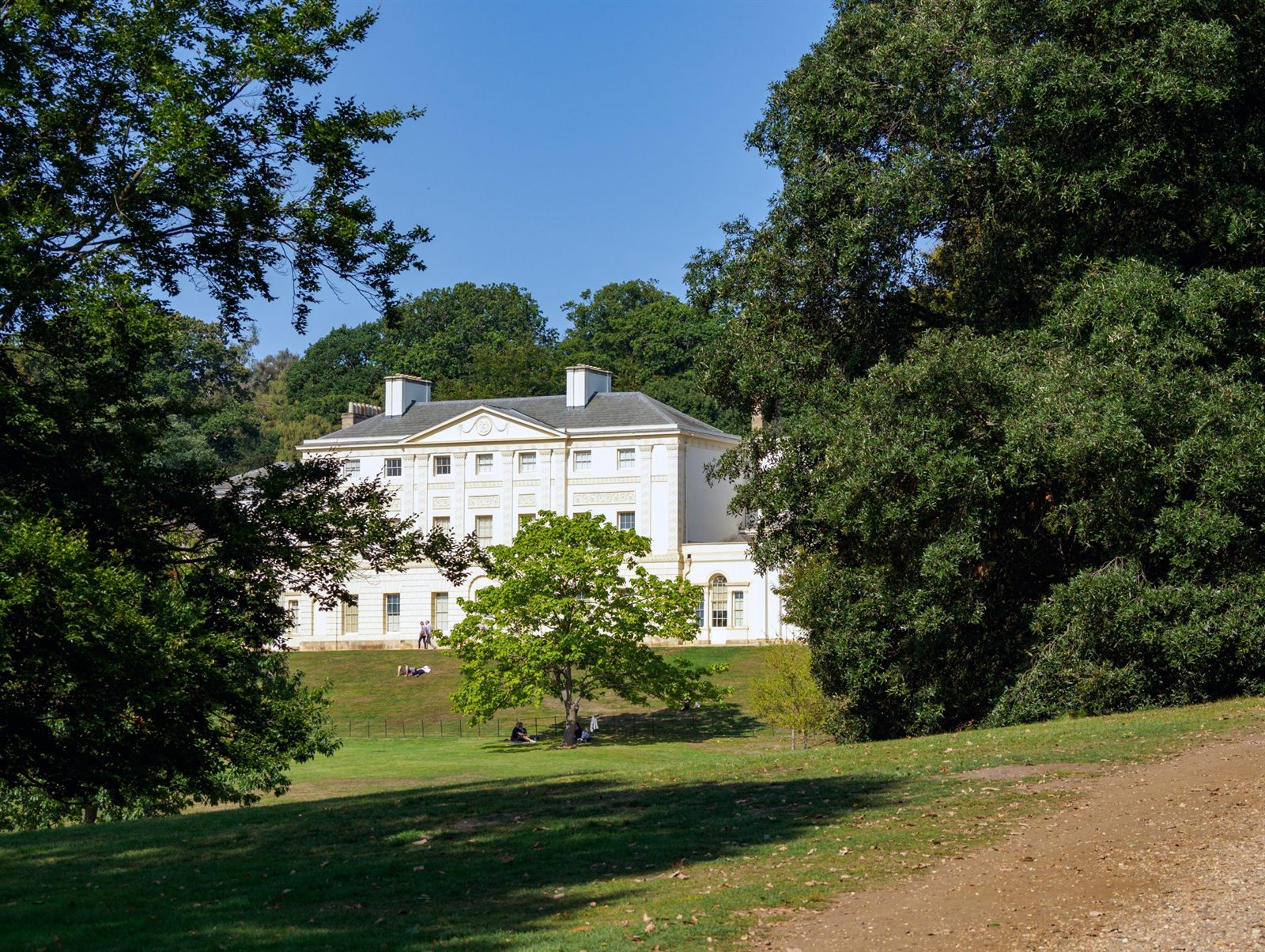
Hampstead is home to some of London's most beautiful period properties, where you can witness an array of elegant Georgian and Victorian townhouses. One of the most significant Georgian properties is Kenwood House, located amid 74 acres of beautiful parkland. Designed in the 18th century, the neo-classical mansion is a masterpiece of Robert Adam, and the interiors feature stunning decorative art, luxurious furniture, and an impressive library.
Another historical landmark of Hampstead is the Heath Mansions, built during the 1880s in the Queen Ann style. The red-brick building features a unique front entrance with decorative elements of stucco and terracotta, a feature not found in most Queen Ann-style buildings. The Heath Mansions is home to some of the Hampstead's most expensive flats.
The Hampstead Garden Suburb is also a fantastic destination for admiring beautiful architecture in this area. Established in 1907, the Garden Suburb was created as an ideal site for social and environmental development. The development has an array of red-brick houses and flats, many of which still retain the original features of the Arts and Crafts movement. The `Sun House' is an excellent example of these buildings influenced by the garden suburbs.
Continuing on to Hampstead High Street, visitors will witness a collection of historic and modern buildings. The most striking feature of Hampstead's High Street is The Flask public house, built-in 1663, featuring a charming old-world ambiance. The pub has been rebuilt several times but retains its period charm and Tudor-style half-timbered exterior. On the other side of the High Street is Burgh House, a 17th-century building that has been reimagined many times and now functions as a museum and a café.
Finally, one cannot visit Hampstead without seeing the contemporary structures present in the area, showing the evolution of London's skyline. One innovative design is the Isokon building, designed in 1934 by Walei Gropius of the German Bauhaus movement. At the time, it was the first multi-unit building in the UK to be constructed entirely of reinforced concrete, and its flat-roofed, streamlined exterior created a sensation.
Hampstead is one of London's most beautiful districts with stunning countryside views and a fascinating array of architecture. We're often working as Hampstead Architects assisting our clients in realising their dream homes based on their everyday lives.
From the Georgian townhouses and Victorian cottages to the contemporary structures - Hampstead has it all. The district has always been a haven for artists, writers, and architects, and taking a stroll through the charming streets can feel like a trip back in time.
Hampstead is a fantastic destination for architecture lovers curious about London's heritage, and it's undeniably a neighbourhood that is well worth a journey.