As a result of the COVID-19 pandemic, many companies have had to switch to remote working, in order to keep employees safe. Many businesses have had to adapt to a home-working model rapidly, but will remote working become part of the new normal?
With us all spending so much more time at home, we’ve had to find new, innovative ways to uplift the everyday and enjoy luxurious experiences within our own four walls. Evenings when we used to flock to the cinema to take in the latest blockbuster feel like a world away. Now our downtime consists of lazy afternoons on the sofa, binge watching yet another Netflix series. No doubt the TV has become even more of a focal point in our lives.
But instead of creating a direct imitation of a cinema, with the cliched pastiche of reclining leather armchairs and neon lighting, it can pay to strip back any outdated notions and create a more seamless experience in the home. Instead of being housed in an isolated room underground, which let’s face it not all of us have, a TV can better blend into our everyday living with some careful thought and timeless design. Whether it’s with bespoke joinery, a beautiful gallery wall or a contemporary curtain, a TV needn’t be the ugliest thing in the room, cramping the style of everything else in the space. Here are a few subtle, yet functional, ways that a TV can seamlessly integrate into your home in a harmonious, cohesive way.
large_first
When curating a home, you want to remember all the senses, not just sight. Texture is important to help create a tactile, soothing environment you want to spend time in. Soften those clean architectural lines with natural materials that you can’t help but touch. When you’re surrounded by smooth, perfect surfaces, it helps to break it up with some subtle imperfections. This might be the rich grain on a wooden dining table, a leather armchair that beautifully patinates with time, or naturally creased linen that gives a relaxed, effortless appeal. Don’t forget scent as well – certain fragrances can help evoke happy memories or transport us to favourite places.
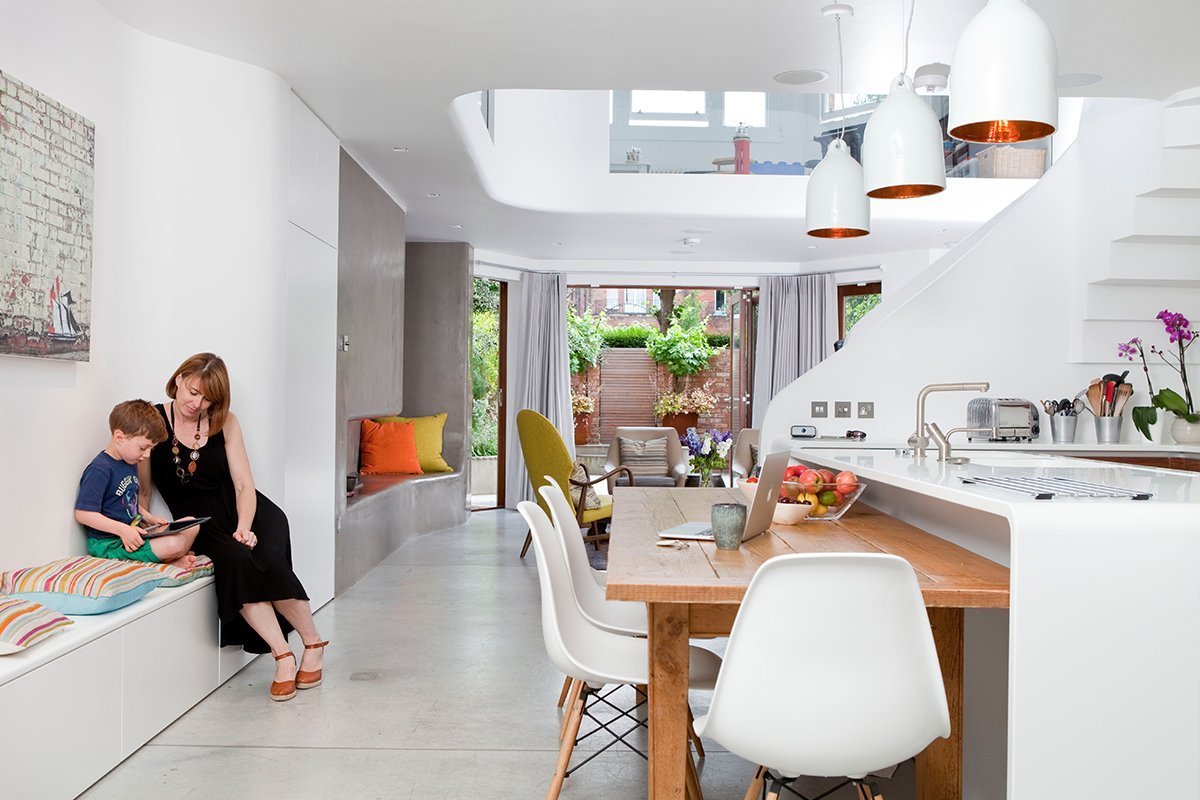
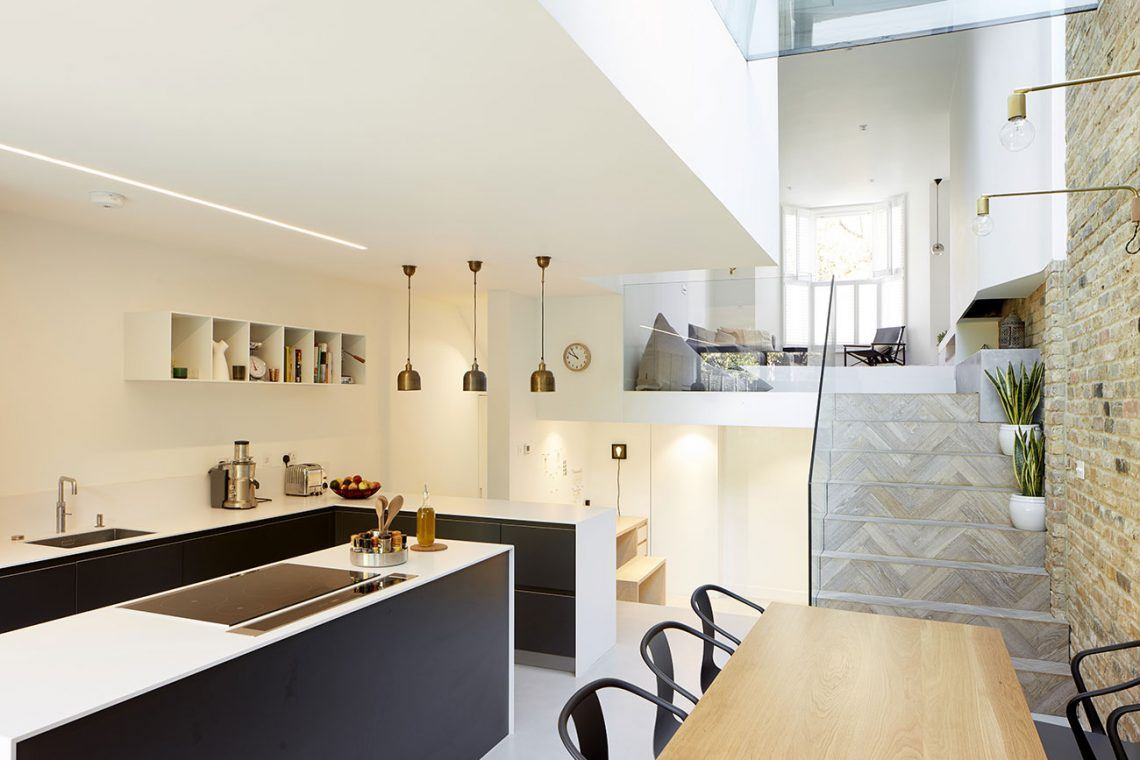
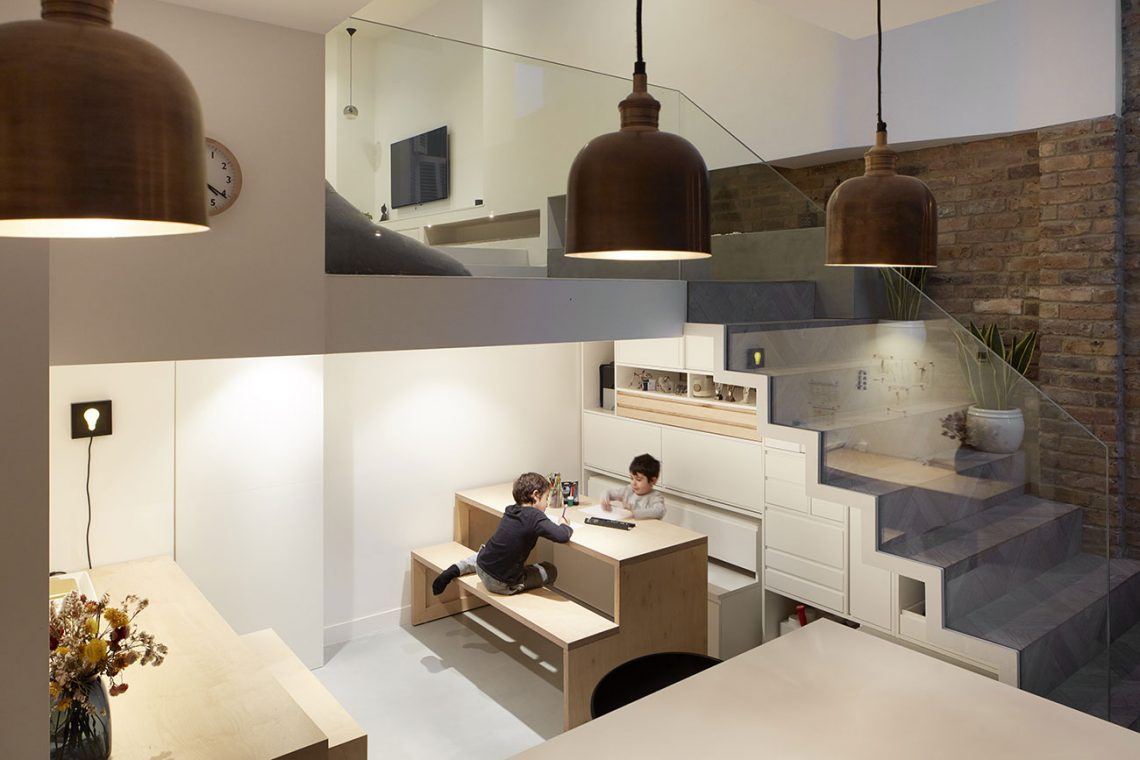
Full renovation of a family home, exploring the connection between living spaces
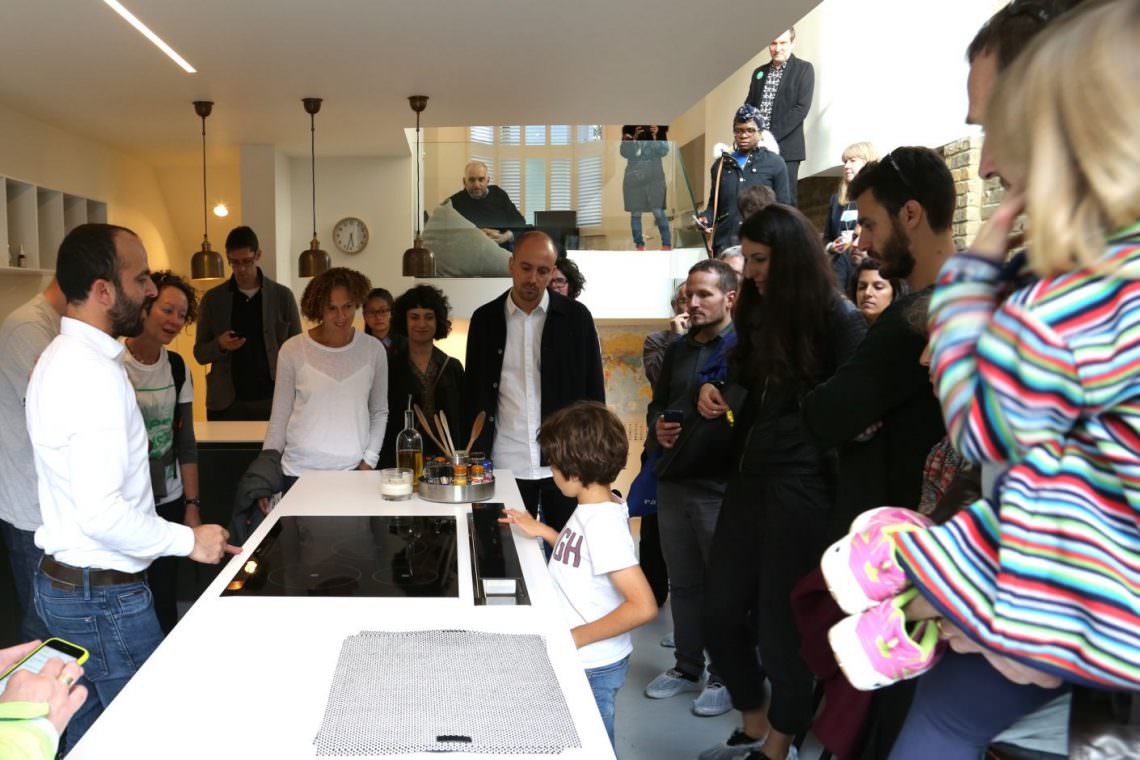
The Scenario House, Stoke Newington during NLA Open house event
1. Conceal your TV within bespoke joinery
TV’s can be such ugly, bulky things. When you’ve spent time designing a room in a thoughtful, considered way, you don’t want a big black box to ruin the whole look and be the focus of attention. Whether you’re placing your TV above a mantlepiece or in an alcove, you can use joinery to help conceal it so you don’t have to be greeted by its presence everyday. This might be in the form of a sliding panel that glides smoothly across to cover the TV. You might think about placing an artwork on the plain panel to add visual interest, or using a contrasting material such as wood panelling or a perforated screen. Alternatively, a TV can also be concealed in a bespoke cabinet or cupboard, with two doors that you can close off when not in use. These doors could be much larger than you think, concealing behind them both the TV and much-needed storage for cables, books and other equipment.
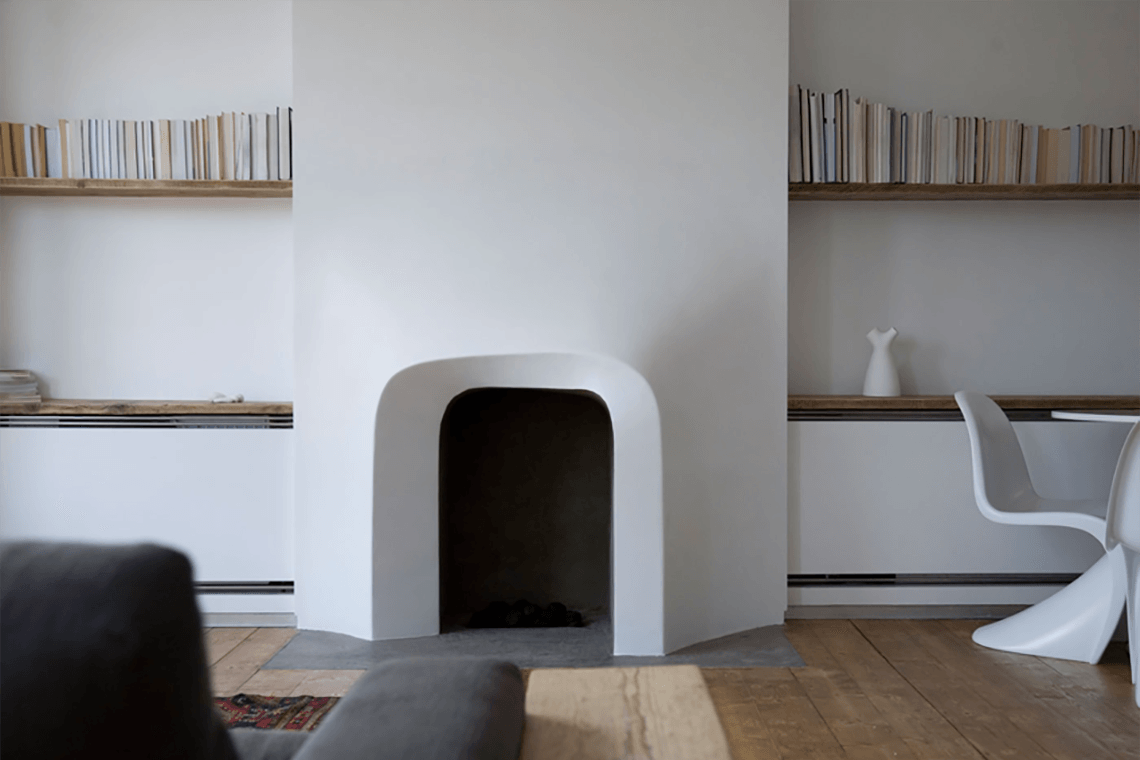
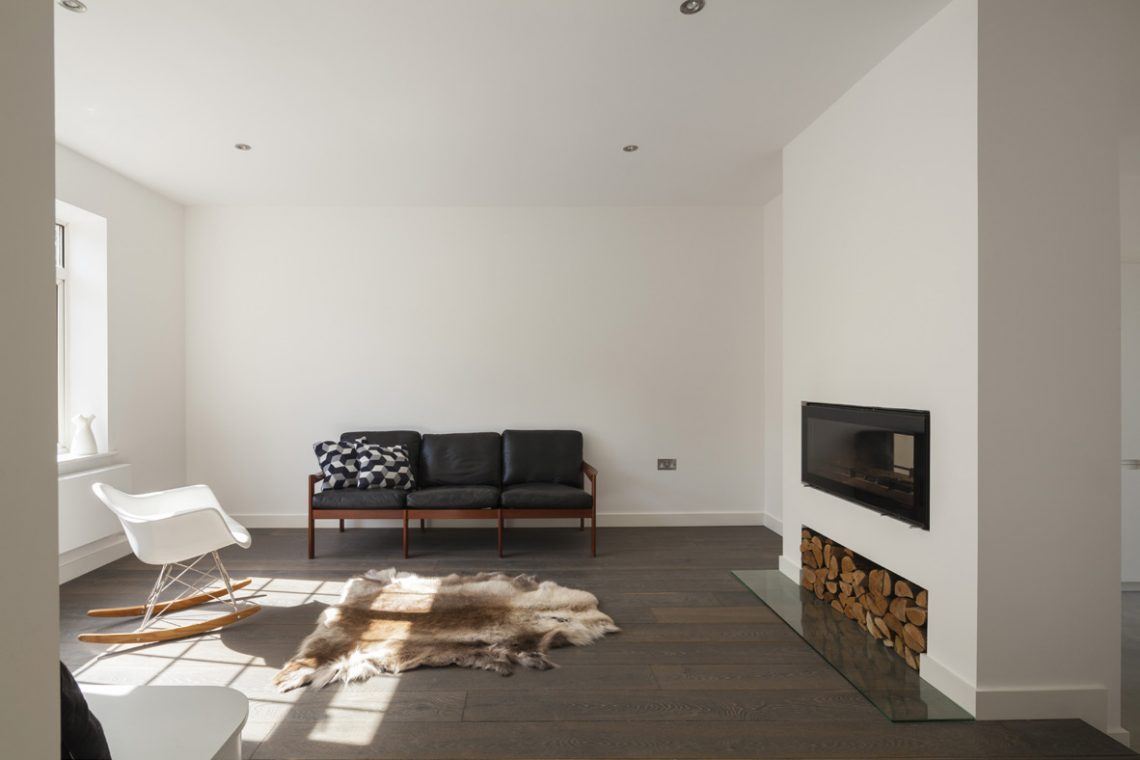
Focal Shift fire place, first project as local architects in Hackney E9
The Scenario House, Stoke Newington during NLA Open house event
2. Detract the eye away from the TV with a gallery wall
When a TV isn’t switched on, it can be pretty uninspiring bare surface. A gallery wall can help reduce a TV’s visual dominance in a room and soften its impact with more attractive features that the eye can focus on. Arrange a combination of different sized prints and artwork around the TV to create a completely unique display. Samsung’s Frame TV, for example, is designed to seamlessly blend into your interior and look like a picture frame. When the TV isn’t being used to watch programmes or films, it’s essentially a simple, blank canvas to display artwork or photos. From some angles, you might not even know it’s a TV at all.
3. Use a discreet projector instead of a TV
If you don’t like the visual impact a TV can have on a room, or perhaps you’re lacking the space for a huge, wide screen, consider a neat projector instead. These can be easily secured to the ceiling or hidden within built-in joinery, completely out of view. Projectors have come a long way from bulky boxes, they’re often now lightweight, compact, portable and enable short throw distances between the projector and surface being projected onto. This frees up a space completely, allowing you to watch a film from almost anywhere in the house. As long as you have a plain wall or pull-down screen, you can even take them out into the garden for alfresco movie nights under the stars. Take the Sony LSPX-P1, which I have myself. The simple, stylish projector is only about the size of your hand, at 8cm wide, and can project an image from a mantlepiece, coffee table or any surface really, proving that you don’t need a huge, expansive space to enjoy a cinema-like experience at home.
4. Install a curtain to draw across and cover the TV
Fabric can help soften an architectural space, adding warmth and cosiness to an interior. Contemporary, floor to ceiling curtains can be used to conceal wardrobes and open storage, but they can also hide large TV units too. When drawn across, the fabric will help give a sense of space and intrigue, suggesting there’s something beyond the curtain. When drawn back, the TV will almost appear like an extra window in the room, rather than a technical piece of equipment. Match your curtain to the colour of your wall for the most seamless look.
5. Use a pop-down or pop-up mechanism to bring the TV out on display when needed
Just like an extractor fan can be concealed in a kitchen island and ‘pop up’ when needed, so can a TV with the right mechanism. A TV can be hidden away in a bespoke cabinet at the end of the bed, opposite a sofa or even between two connecting rooms. A lifting mechanism then pushes the TV up out of the joinery to be used and enjoyed in full view. This type of solution is perfect for open-plan spaces where you don’t want big pieces of furniture to get in the way or block views through rooms. It’s also useful if you don’t have enough wall space for a substantial, widescreen TV, whether because of windows, openings or doors.
6. Choose a designer TV that you don’t mind having out on display
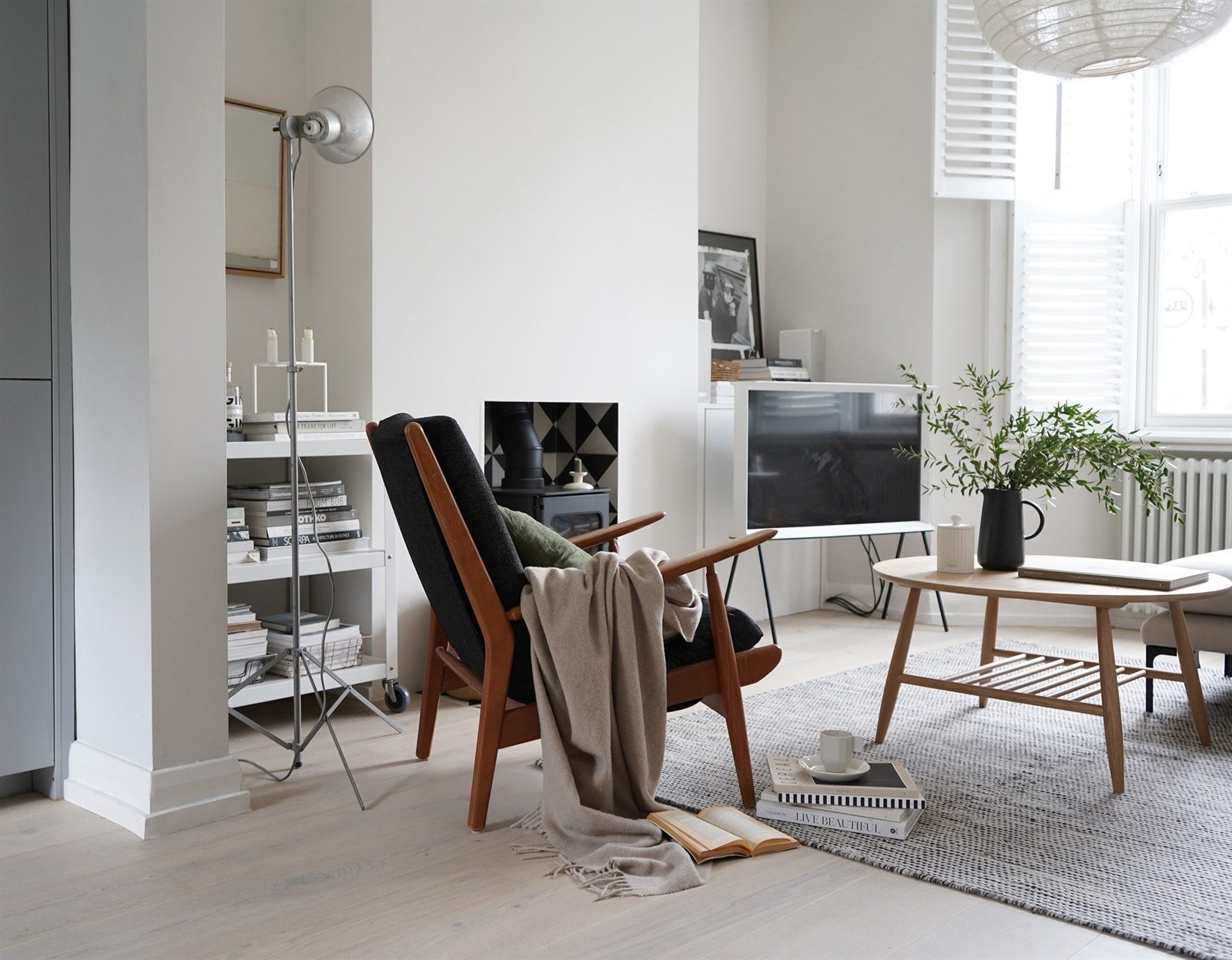
TV’s don’t have to be eyesores, there's plenty on the market that are well designed and visually appealing for those that value aesthetics as well as experience. These TV’s are designed to take centre stage, adding a unique talking point to a space. First there’s the Samsung’s Serif TV by the Bouroullec brothers, which can be mounted on a sideboard or displayed on top of its own sleek, v-shaped, black metal legs. The TV’s iconic, I-shaped profile was inspired by typefaces, giving an almost vintage feel to the design whilst providing a shelf-like surface to style and display small objects. Bang & Olufsen’s Beovision Harmony is based on mid-century entertainment cabinets and features a new motorised floor stand. Just like an art installation, the luxurious golden speaker covers fold out in one smooth motion to allow the TV screen to rise up into view. LG meanwhile has released a super sleek, rollable TV that rolls out an impossibly thin display to three different heights. Think of them like jewellery for the home.
About the Author: Cate St Hill

Cate St Hill is a home interiors writer, stylist and designer. Her work focuses on simple, everyday interiors that endure beyond trends. Her ethos is all about curating a home with less but better – prioritising simplicity, sustainability and design built to last. Cate is interested in the relationship between wellbeing and interiors, believing that a home should be designed as much around how it feels to be in as the way it looks. Her blog, catesthill.com, has been rated one of the top ten interior blogs in the UK and her work has been featured in Grazia, Elle Decoration, The Telegraph and The Sunday Times.